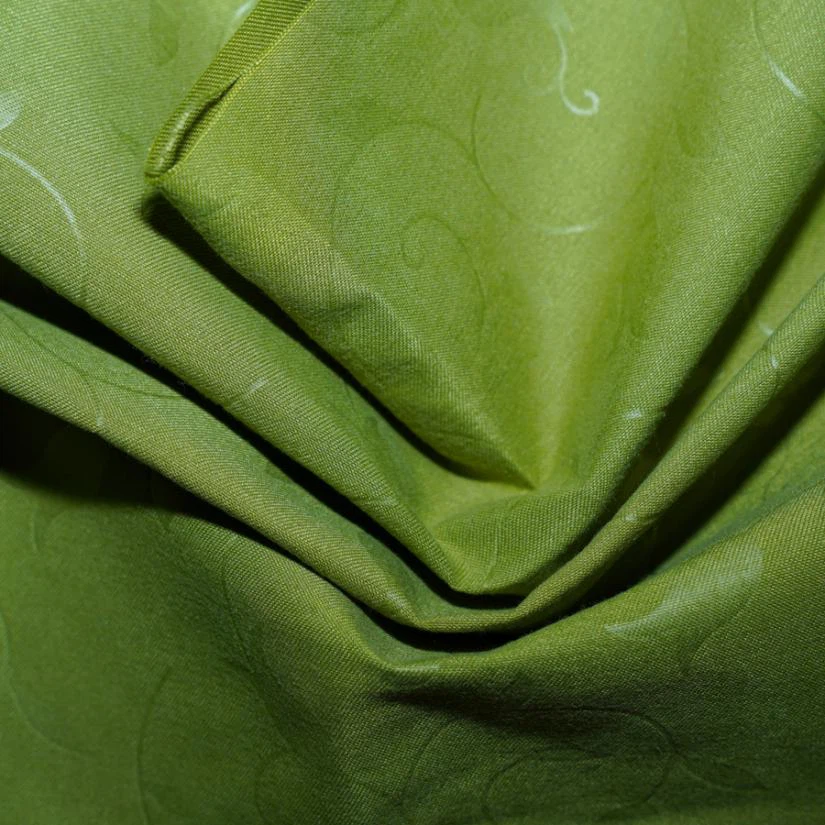
Hey there! As a supplier of Polyester Waffle Fabric, I've got a ton of experience working with this amazing material. Today, I'm gonna share with you how to sew polyester waffle fabric like a pro.
Understanding Polyester Waffle Fabric
First things first, let's talk a bit about what polyester waffle fabric is. Polyester waffle fabric is a type of fabric with a unique waffle-like texture. It's made from polyester fibers, which give it some great properties. It's durable, easy to care for, and has a nice drape. You can find it in different weights and colors, making it suitable for a variety of projects. If you want to learn more about it, check out Polyester Waffle Fabric. There's also a special type called Polyester Waffle Microfiber Fabric, which is even softer and more lightweight.
Preparing Your Fabric
Before you start sewing, you need to prepare your polyester waffle fabric properly. The first step is to wash and dry it. This helps to pre-shrink the fabric, so you won't have any surprises after your project is finished. Use a gentle cycle and a mild detergent. You can dry it on a low heat setting in the dryer or let it air dry.
Once your fabric is clean and dry, it's time to press it. Use a medium to high heat setting on your iron, but make sure to test it on a small, inconspicuous area first to avoid melting the polyester. Press the fabric smoothly, following the grain of the fabric. This will make it easier to cut and sew.
Choosing the Right Thread and Needle
Picking the right thread and needle is crucial for sewing polyester waffle fabric. For the thread, I recommend using a polyester or nylon thread. These threads are strong and durable, just like the fabric itself. They also have good resistance to abrasion, which is important when you're sewing a fabric that may be used frequently.
When it comes to the needle, a universal or ballpoint needle in a size 80/12 to 90/14 is usually a good choice. The universal needle can work well with most fabrics, while the ballpoint needle is great for fabrics like polyester waffle that have a bit of stretch. The ballpoint tip helps to push the fibers aside instead of piercing them, reducing the risk of snags and holes in the fabric.
Cutting Your Fabric
Cutting polyester waffle fabric can be a bit tricky because of its texture. To get clean, precise cuts, use sharp fabric scissors or a rotary cutter. Make sure to cut along the grain of the fabric. You can use a pattern or mark the areas you need to cut with tailor's chalk or a fabric marker.
If you're cutting multiple layers of fabric, use pins or weights to hold them in place. This will prevent the layers from shifting and ensure that all pieces are cut to the same size and shape. And remember, take your time when cutting. Rushing can lead to mistakes that will be hard to fix later.
Sewing Techniques
Now, let's get into the actual sewing. There are a few techniques that work well with polyester waffle fabric.
Straight Stitching
For basic seams, straight stitching is your go-to. Set your sewing machine to a medium stitch length, around 2.5 to 3 millimeters. This will give you a good balance between strength and flexibility. When you're sewing, keep the fabric flat and smooth as you feed it through the machine. You may need to use a bit of extra pressure on the foot pedal to help the fabric move smoothly, especially if it's a bit thick.
Zigzag Stitching
Zigzag stitching is great for finishing the edges of your fabric to prevent fraying. You can use a narrow zigzag stitch, about 1 to 1.5 millimeters wide, and a medium stitch length. This will create a secure edge that won't come apart easily. You can also use zigzag stitching to attach elastic or other trims to your fabric.
Overcasting
Overcasting is another method for finishing the edges. You can use an overcasting foot on your sewing machine or do it by hand. Overcasting creates a neat, professional-looking edge and helps to protect the fabric from unraveling.
Adding Details and Embellishments
Polyester waffle fabric is a great canvas for adding details and embellishments. You can add buttons, zippers, or embroidery to make your project unique.
When adding buttons, make sure to choose buttons that are the right size and style for your project. You can sew them on by hand or use a buttonhole foot on your sewing machine to create buttonholes.
Zippers can be a bit more challenging to sew into polyester waffle fabric, but with the right technique, it's definitely doable. Use a zipper foot on your sewing machine and pin the zipper in place carefully. Sew slowly and steadily, making sure to keep the zipper teeth aligned.


Embroidery can add a beautiful, personalized touch to your project. You can use a machine embroidery machine or do it by hand. If you're using a machine, make sure to adjust the tension and stitch settings according to the thickness of the fabric.
Caring for Your Sewn Project
After you've finished sewing your polyester waffle fabric project, you need to know how to care for it. As I mentioned earlier, polyester waffle fabric is easy to care for. You can wash it in the machine on a gentle cycle with a mild detergent. Avoid using bleach or fabric softeners, as they can damage the fabric.
When it comes to drying, you can dry it on a low heat setting in the dryer or let it air dry. Iron it on a medium to high heat setting if needed, but always test on a small area first.
Conclusion
Sewing polyester waffle fabric can be a fun and rewarding experience. With the right preparation, tools, and techniques, you can create amazing projects using this versatile fabric. Whether you're making a cozy blanket, a stylish dress, or a practical tote bag, polyester waffle fabric has got you covered.
If you're interested in purchasing high-quality polyester waffle fabric for your next project, feel free to reach out. We're here to help you find the perfect fabric and answer any questions you may have. Check out our Waffle Material Fabric page to explore our wide range of options.
References
- "The Complete Guide to Sewing Fabrics" by Sewing Experts
- "Polyester Fabric: Properties and Uses" by Textile Institute