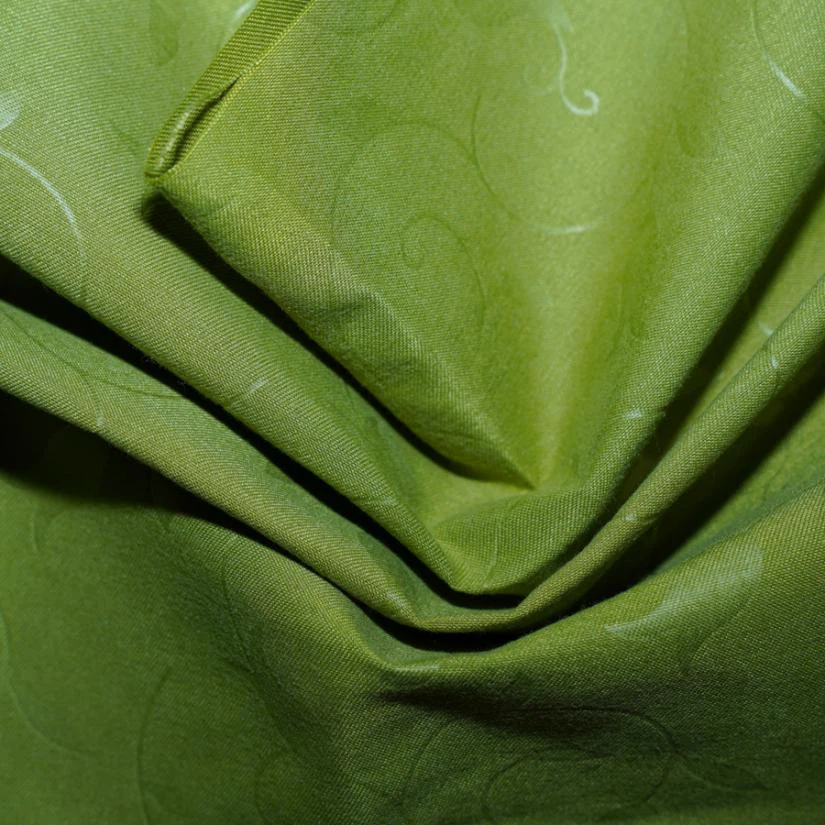
Stains on bed linen fabric can be a real nuisance, detracting from the overall aesthetic of your bedroom and potentially causing long - term damage to the fabric. As a Bed Linen Fabric supplier, I've encountered various types of stains and have learned effective ways to remove them. In this blog, I'll share some practical tips and techniques to help you keep your bed linen looking fresh and clean.
Understanding Different Types of Stains
Before you start the stain - removal process, it's crucial to identify the type of stain you're dealing with. Different stains require different treatment methods. Here are some common types of stains on bed linen and their characteristics:
Food and Beverage Stains
These are perhaps the most common stains on bed linen. Coffee, tea, wine, and food spills can leave unsightly marks. Food stains often contain oils, sugars, and pigments that can penetrate the fabric fibers. Coffee and tea stains are tannin - based, which can be particularly stubborn.
Body Fluid Stains
Sweat, saliva, and blood are also frequent culprits. Sweat stains are usually a combination of salts, proteins, and fatty acids. Blood stains, on the other hand, contain hemoglobin, which can oxidize and turn brown if not treated promptly.


Oil and Grease Stains
These stains can come from body oils, lotions, or cooking oils. Oil and grease stains are hydrophobic, meaning they repel water, making them difficult to remove with regular washing.
General Stain - Removal Guidelines
Regardless of the type of stain, there are some general guidelines you should follow:
Act Quickly
The sooner you treat a stain, the better your chances of removing it completely. Fresh stains are usually easier to deal with than old, set - in stains.
Test on a Small Area
Before applying any stain - removal product to the entire stain, test it on a small, inconspicuous area of the bed linen. This will help you ensure that the product doesn't damage or discolor the fabric.
Blot, Don't Rub
When dealing with a stain, use a clean cloth or paper towel to blot the stain gently. Rubbing can spread the stain and push it deeper into the fabric fibers.
Specific Stain - Removal Methods
Removing Food and Beverage Stains
For coffee and tea stains, start by blotting up as much of the liquid as possible. Then, mix a solution of one - part white vinegar and two - parts water. Apply the solution to the stain using a clean cloth and blot gently. Rinse the area with cold water. If the stain persists, you can use a commercial stain remover or a mixture of baking soda and water. Apply the paste to the stain, let it sit for 15 - 20 minutes, and then rinse with cold water.
Wine stains can be more challenging. For red wine stains, immediately pour salt on the stain. The salt will absorb the wine and prevent it from setting. After a few minutes, brush off the salt and rinse the area with cold water. You can also use a mixture of hydrogen peroxide and dish soap. Apply the solution to the stain, let it sit for a few minutes, and then rinse.
Removing Body Fluid Stains
Sweat stains can be treated with a solution of lemon juice and water. Apply the solution to the stain and let it sit in the sun for a few hours. The lemon juice will help break down the salts and proteins in the sweat. Rinse the area with cold water and wash the bed linen as usual.
Blood stains should be treated with cold water. Hot water can cause the hemoglobin in the blood to coagulate, making the stain more difficult to remove. Blot the stain with cold water until the water runs clear. If the stain persists, you can use a mixture of hydrogen peroxide and water. Apply the solution to the stain, let it sit for a few minutes, and then rinse with cold water.
Removing Oil and Grease Stains
For oil and grease stains, sprinkle cornstarch or talcum powder on the stain. Let it sit for a few hours to absorb the oil. Brush off the powder and then apply a small amount of dish soap to the stain. Gently rub the soap into the stain and rinse with cold water. If the stain is still visible, you can use a commercial degreaser or a mixture of baking soda and water.
Choosing the Right Bed Linen Fabric for Stain Resistance
As a Bed Linen Fabric supplier, I understand the importance of choosing the right fabric for stain resistance. Some fabrics are more stain - resistant than others. For example, Bleached White Fabric is often easier to clean and maintain. It has a smooth surface that doesn't trap stains as easily as some other fabrics.
Polyester Bleached Fabric is another good option. Polyester is a synthetic fabric that is resistant to many types of stains. It also dries quickly, which can prevent stains from setting in.
Our Bed Linen Fabric collection offers a variety of options that are both stylish and stain - resistant. Whether you're looking for a classic white linen or a colorful printed fabric, we have something to suit your needs.
Preventing Stains on Bed Linen
In addition to knowing how to remove stains, it's also important to take steps to prevent them. Here are some tips:
- Use a mattress protector to prevent body fluids and spills from reaching the bed linen.
- Avoid eating or drinking in bed to reduce the risk of food and beverage stains.
- Wash your bed linen regularly to prevent dirt and stains from building up.
Conclusion
Stains on bed linen fabric are a common problem, but with the right knowledge and techniques, you can keep your bed linen looking fresh and clean. As a Bed Linen Fabric supplier, I'm committed to providing high - quality, stain - resistant fabrics that make your life easier. If you're interested in purchasing our bed linen fabric or have any questions about stain removal, please don't hesitate to contact us for a procurement discussion. We're here to help you find the perfect fabric for your needs.
References
- "Textile Science and Technology" by Robert E. Hester and Roy M. Harrison
- "The Complete Guide to Stain Removal" by Mary Marlowe Leverette