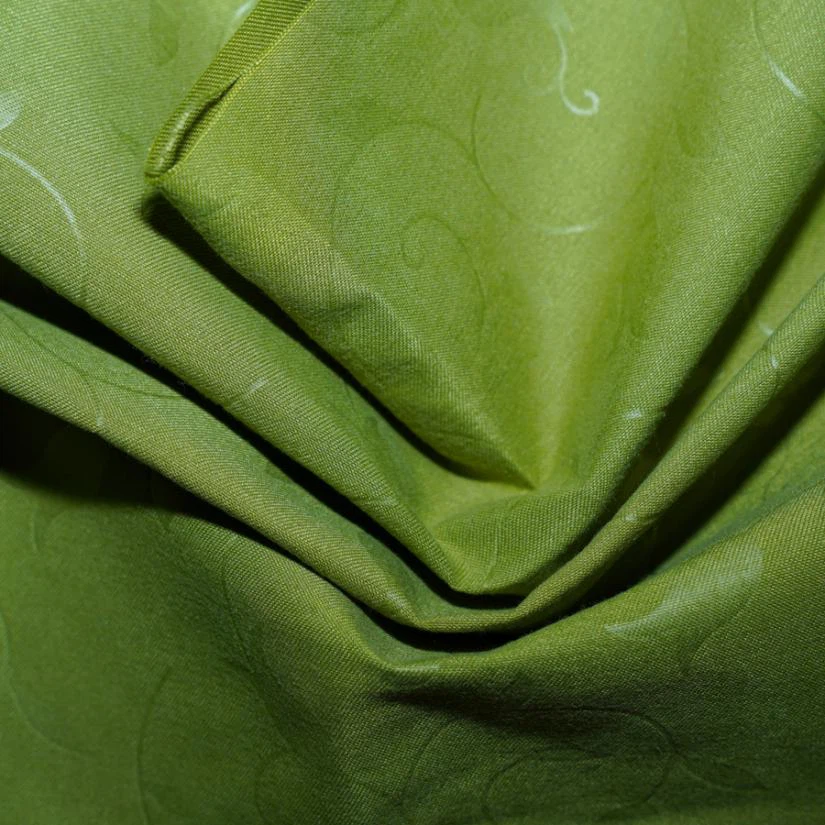
As a supplier of printed woven fabric, I understand the critical importance of colorfastness in our products. Colorfastness refers to the ability of a fabric to retain its color under various conditions, such as washing, light exposure, rubbing, and perspiration. Ensuring high colorfastness is not only essential for meeting customer expectations but also for maintaining the reputation of our brand. In this blog post, I will share some key methods and considerations for measuring the colorfastness of printed woven fabric.
1. Understanding the Significance of Colorfastness
Before delving into the measurement methods, it's crucial to understand why colorfastness matters. For our customers, whether they are fashion designers, home decorators, or manufacturers of various products, the durability of color is a top concern. A fabric with poor colorfastness can lead to color bleeding, fading, or staining of other materials, which can significantly affect the quality and appearance of the final product. As a supplier, we strive to provide fabrics that can withstand the rigors of everyday use and maintain their vibrant colors over time.
2. Common Methods for Measuring Colorfastness
2.1 Washing Fastness
Washing is one of the most common ways a fabric is exposed to conditions that can affect its color. To measure washing fastness, we typically follow international standards such as ISO 105-C06 or AATCC 61. The process involves subjecting a fabric sample to a standardized washing procedure in a washing machine with a specific detergent and under controlled temperature, time, and agitation conditions. After washing, the sample is evaluated for color change and staining of adjacent fabrics.
The color change is assessed by comparing the washed sample with an unwashed control sample using a gray scale. The gray scale ranges from 1 (severe color change) to 5 (negligible color change). Similarly, the staining of adjacent fabrics is also rated on a scale of 1 to 5, with 1 indicating heavy staining and 5 indicating no staining.
2.2 Light Fastness
Light exposure can cause fading of fabric colors over time. To measure light fastness, we use methods such as ISO 105-B02 or AATCC 16. The fabric sample is exposed to a specific light source, usually a xenon arc lamp, which simulates natural sunlight. The exposure time and intensity are carefully controlled according to the standard.
After exposure, the color change of the sample is evaluated using a blue scale. The blue scale ranges from 1 (poor light fastness) to 8 (excellent light fastness). Fabrics with higher light fastness ratings are more suitable for applications where they will be exposed to sunlight, such as outdoor furniture or window treatments.
2.3 Rubbing Fastness
Rubbing can also cause color transfer from a fabric. To measure rubbing fastness, we use methods like ISO 105-X12 or AATCC 8. The test involves rubbing a fabric sample with a specified rubbing cloth under a defined pressure and number of rubs. There are two types of rubbing tests: dry rubbing and wet rubbing.
After rubbing, the color transfer to the rubbing cloth is evaluated using a gray scale. Similar to the washing fastness test, the rating ranges from 1 (severe color transfer) to 5 (negligible color transfer). Rubbing fastness is particularly important for fabrics used in upholstery, clothing, and other products that are likely to come into contact with other surfaces.
2.4 Perspiration Fastness
Perspiration can have a chemical effect on fabric colors, especially in clothing applications. To measure perspiration fastness, we follow standards such as ISO 105-E04 or AATCC 15. The fabric sample is soaked in a synthetic perspiration solution (both acidic and alkaline) and then subjected to a specific treatment, such as pressing or incubation.
After the treatment, the color change of the sample and staining of adjacent fabrics are evaluated using a gray scale, similar to the washing fastness test. The ratings range from 1 to 5, indicating the degree of color change and staining.
3. Factors Affecting Colorfastness
Several factors can influence the colorfastness of printed woven fabric. Understanding these factors can help us take appropriate measures to improve colorfastness during the production process.
3.1 Dye Type
Different types of dyes have different levels of colorfastness. For example, reactive dyes are known for their good washing and light fastness on natural fibers such as cotton and silk. Disperse dyes are commonly used for polyester fabrics and offer excellent light fastness. As a supplier, we carefully select the dyes based on the fabric type and the intended application to ensure optimal colorfastness.
3.2 Printing Process
The printing process can also affect colorfastness. Factors such as the printing technique (e.g., screen printing, digital printing), the quality of the printing paste, and the fixation process play a crucial role. A well-controlled printing process with proper fixation can enhance the adhesion of the dye to the fabric fibers, resulting in better colorfastness.
3.3 Fabric Type
The type of fabric can have a significant impact on colorfastness. Natural fibers like cotton and silk may have different colorfastness properties compared to synthetic fibers such as polyester. For example, polyester fabrics generally have better light fastness than cotton fabrics. We need to consider the fabric type when choosing dyes and printing processes to achieve the desired colorfastness.
4. Our Quality Control Measures
As a responsible supplier of printed woven fabric, we have a comprehensive quality control system in place to ensure the colorfastness of our products.


4.1 Incoming Material Inspection
We carefully inspect all incoming raw materials, including fabrics and dyes, to ensure their quality. We test the fabrics for their basic properties and the dyes for their colorfastness characteristics before using them in the production process.
4.2 In-process Monitoring
During the printing process, we monitor various parameters such as temperature, pressure, and dye concentration to ensure consistent quality. We also take regular samples for in-house testing to check the colorfastness at different stages of production.
4.3 Final Product Testing
Before shipping the products to our customers, we conduct final product testing according to international standards. We use state-of-the-art testing equipment and follow strict testing procedures to ensure that our products meet or exceed the required colorfastness standards.
5. Our Product Range and Colorfastness
We offer a wide range of printed woven fabrics, including Patterned Polyester Fabric, Printed Waterproof Fabric, and Micro Print Fabric. All our fabrics are carefully tested for colorfastness to ensure they meet the high standards expected by our customers.
Our patterned polyester fabric, for example, is printed using high-quality disperse dyes, which offer excellent light and washing fastness. The printed waterproof fabric is treated with a special waterproof coating that not only provides water resistance but also does not compromise the colorfastness of the print. Our micro print fabric features fine and detailed prints with good colorfastness properties, making it suitable for a variety of applications.
6. Conclusion
Measuring the colorfastness of printed woven fabric is a complex but essential process. By understanding the significance of colorfastness, using appropriate measurement methods, considering the factors that affect colorfastness, and implementing strict quality control measures, we can ensure that our products meet the highest standards of quality.
If you are interested in our printed woven fabrics or have any questions about colorfastness, please feel free to contact us for further discussion and potential procurement. We are committed to providing you with high-quality fabrics that meet your specific requirements.
References
- ISO 105-C06: Textiles - Tests for color fastness - Part C06: Color fastness to washing.
- AATCC 61: Colorfastness to Laundering: Accelerated.
- ISO 105-B02: Textiles - Tests for color fastness - Part B02: Color fastness to artificial light: Xenon arc fading lamp test.
- AATCC 16: Colorfastness to Light.
- ISO 105-X12: Textiles - Tests for color fastness - Part X12: Color fastness to rubbing.
- AATCC 8: Colorfastness to Rubbing.
- ISO 105-E04: Textiles - Tests for color fastness - Part E04: Color fastness to perspiration.
- AATCC 15: Colorfastness to Perspiration.