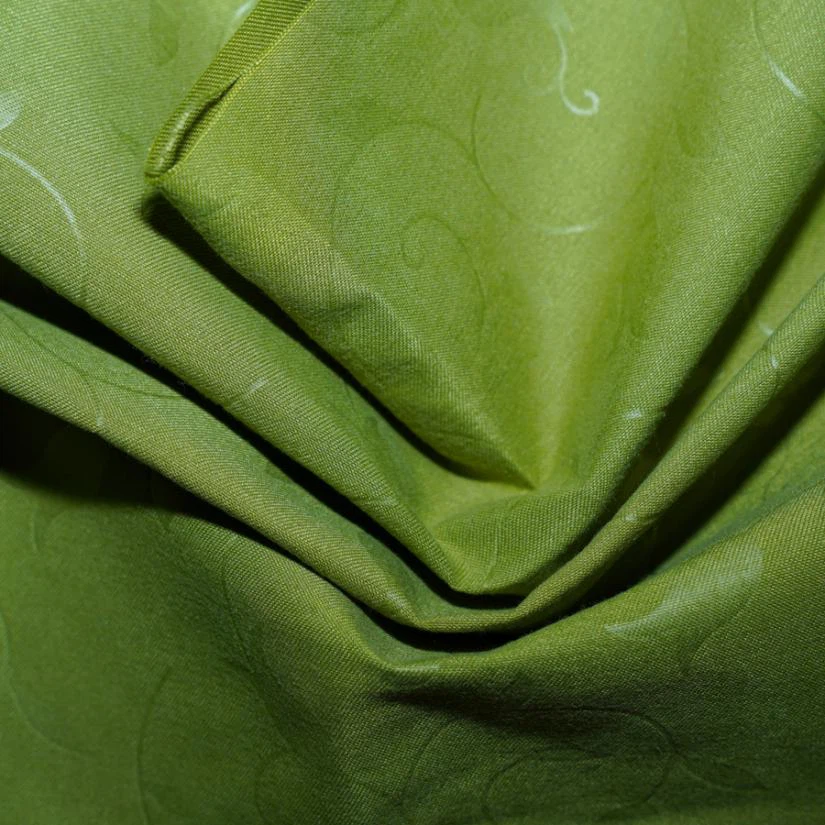
Hey there! As a supplier of Polyester Sheet Fabric, I've been getting a lot of questions lately about how to make this fabric more water - repellent. It's a crucial feature, especially for those using the fabric in various applications where moisture resistance is key. So, let's dive right in and explore some effective ways to achieve this.
Understanding Polyester Sheet Fabric
First off, let's talk a bit about Polyester Sheet Fabric. Polyester is a synthetic fiber known for its durability, wrinkle - resistance, and easy - care properties. Our polyester sheet fabric is widely used in many industries, from bedding to outdoor gear. It's lightweight and strong, but by default, it's not super water - repellent.
Why Water - Repellency Matters
Water - repellent polyester sheet fabric has a ton of benefits. In bedding, it can protect against spills and stains, making it easier to keep clean. For outdoor applications like tents and awnings, it can prevent water from seeping through, keeping the interior dry. And in the medical field, water - repellent fabric can be used for protective gear to prevent the spread of liquids and contaminants.
Methods to Make Polyester Sheet Fabric More Water - Repellent
1. Chemical Treatments
One of the most common ways to enhance water - repellency is through chemical treatments. There are several types of chemicals that can be used for this purpose.
- Fluorocarbon - based Treatments: These are highly effective in creating a strong water - repellent barrier. They work by altering the surface tension of the fabric, causing water to bead up and roll off. However, they have come under scrutiny in recent years due to environmental concerns. Some fluorocarbons can be persistent in the environment and may have negative health effects. So, if you're considering this option, make sure to choose a product that is environmentally friendly and safe for use.
- Silicone - based Treatments: Silicone is another popular choice. It forms a flexible and breathable water - repellent layer on the fabric. Unlike some fluorocarbon treatments, silicone is generally considered more environmentally friendly. It also doesn't affect the fabric's flexibility and comfort too much, making it a great option for bedding and clothing applications. You can find silicone - based water - repellent sprays in the market. Simply spray the fabric evenly and let it dry according to the product instructions.
2. Nanotechnology
Nanotechnology is a relatively new and exciting approach to making fabrics water - repellent. Nanoparticles can be applied to the fabric surface to create a superhydrophobic effect. These nanoparticles are so small that they can create a rough surface at the microscopic level. Water droplets sit on top of these tiny bumps, rather than being absorbed into the fabric.
The advantage of nanotechnology is that it can provide long - lasting water - repellency without significantly altering the fabric's appearance or feel. However, it can be a bit more expensive and may require specialized equipment for application. Some companies are now starting to offer nanotech - treated Polyester Bleached Fabric for various applications.
3. Coating
Coating the polyester sheet fabric is another effective method. There are different types of coatings available.
- PU (Polyurethane) Coating: PU coatings are commonly used to make fabrics water - resistant. They form a thin, flexible layer on the fabric surface that blocks water from penetrating. PU - coated fabrics are often used in outdoor clothing and gear. However, they can reduce the fabric's breathability to some extent. So, if breathability is important, you may need to look for a breathable PU coating or use it in combination with other methods.
- Acrylic Coating: Acrylic coatings are more breathable than PU coatings. They can also provide good water - repellency. Acrylic - coated fabrics are often used in applications where both water - resistance and breathability are required, such as in some types of bedding.
Tips for Applying Water - Repellent Treatments
- Clean the Fabric First: Before applying any water - repellent treatment, make sure the fabric is clean. Dirt, oils, and other contaminants can interfere with the treatment's effectiveness. You can wash the fabric according to the care instructions and let it dry completely.
- Follow the Instructions: Whether you're using a spray, dip, or coating, always follow the manufacturer's instructions carefully. This includes the application method, drying time, and any safety precautions.
- Test on a Small Area: Before treating the entire fabric, it's a good idea to test the treatment on a small, inconspicuous area. This can help you ensure that the treatment doesn't cause any discoloration or damage to the fabric.
Applications of Water - Repellent Polyester Sheet Fabric
1. Bedding
Water - repellent Bed Linen Fabric can be a game - changer. It can protect your mattress and sheets from spills, sweat, and stains. This is especially useful for households with children or pets. You can enjoy a cleaner and more hygienic sleeping environment with water - repellent bedding.
2. Outdoor Gear
Tents, awnings, and outdoor clothing made from water - repellent polyester sheet fabric can withstand rain and moisture. They keep you dry and comfortable during outdoor activities. Whether you're camping, hiking, or just having a picnic in the park, water - repellent gear is essential.
3. Medical and Hygiene Products
In the medical field, water - repellent polyester fabric can be used for protective gowns, drapes, and other equipment. It helps prevent the spread of bodily fluids and contaminants, reducing the risk of infection.
Conclusion
Making polyester sheet fabric more water - repellent is a great way to enhance its functionality and expand its applications. Whether you choose chemical treatments, nanotechnology, or coatings, there are plenty of options available. As a supplier, we're always here to help you find the best solution for your needs.
If you're interested in purchasing water - repellent polyester sheet fabric or have any questions about the treatments, feel free to reach out. We can discuss your specific requirements and provide you with high - quality products at competitive prices. Start exploring the possibilities of water - repellent polyester fabric today and see how it can benefit your projects!


References
- "Textile Finishing: Principles and Practice" by Christopher C. Cooke
- "Nanotechnology in Textiles" by T. Rajendran