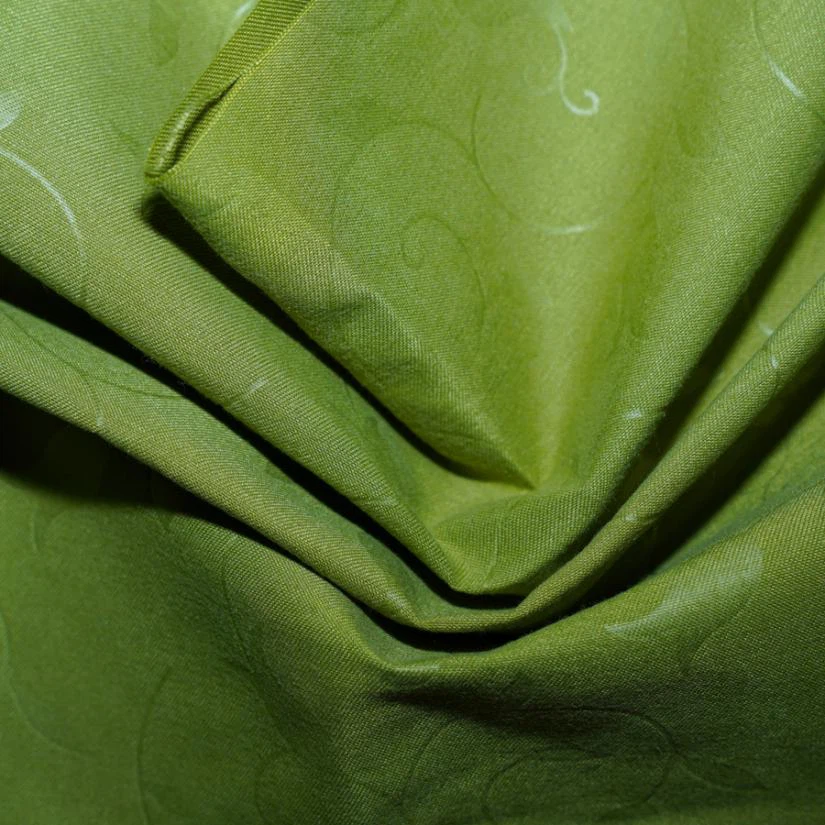
As a supplier of Polyester Sheet Fabric, I understand the importance of offering products that meet the diverse needs of our customers. One common request we receive is how to make polyester sheet fabric more stretchy. In this blog post, I'll share some insights and practical methods based on industry knowledge and experience.
Understanding Polyester Sheet Fabric
Polyester is a synthetic fiber known for its durability, wrinkle - resistance, and easy - care properties. Polyester sheet fabric, available at Polyester Sheet Fabric, is widely used in various applications such as bedding, clothing, and home decor. However, compared to some natural fibers like cotton or spandex, polyester may lack inherent stretch.
The molecular structure of polyester is composed of long chains of polymers. These chains are relatively rigid and do not have the same elastic properties as some other fibers. But through certain techniques, we can enhance its stretchability.
Blending with Elastic Fibers
One of the most effective ways to make polyester sheet fabric more stretchy is to blend it with elastic fibers. Spandex, also known as Lycra, is a popular choice for this purpose. Spandex has excellent elasticity and can significantly improve the stretch of the fabric when blended with polyester.
The process of blending involves combining the polyester fibers with spandex fibers during the spinning or weaving stage. The proportion of spandex in the blend can vary depending on the desired level of stretch. For example, a blend with 5 - 10% spandex can provide a moderate amount of stretch, which is suitable for many applications such as fitted sheets. Higher percentages of spandex, up to 20% or more, can result in a fabric with a very high degree of stretch, often used in sportswear or form - fitting clothing.
When choosing a blend, it's important to consider the end - use of the fabric. For Bed Linen Fabric, a lower spandex content may be preferred to maintain the smooth and comfortable feel of the sheets, while still providing enough stretch for easy fitting.
Mechanical Treatment
Mechanical treatment is another approach to increase the stretch of polyester sheet fabric. One common method is mechanical stretching. This can be done using specialized machinery that applies controlled tension to the fabric in different directions.
During the mechanical stretching process, the fabric is passed through a series of rollers or frames that stretch it lengthwise and widthwise. The stretching helps to realign the polyester fibers, making them more flexible and increasing the overall stretch of the fabric. This treatment can be adjusted according to the specific requirements of the fabric, such as the desired stretch percentage and the type of polyester used.
Another mechanical treatment is embossing. Embossing creates a pattern on the surface of the fabric, which can also improve its stretchability. The pattern disrupts the regular arrangement of the polyester fibers, allowing them to move more freely and increasing the fabric's ability to stretch.
Chemical Treatment
Chemical treatment can also play a role in making polyester sheet fabric more stretchy. One method is to use softeners. Softeners are chemicals that can penetrate the polyester fibers and reduce their stiffness. By making the fibers more flexible, the fabric becomes more stretchy.
There are different types of softeners available, including silicone - based and non - silicone - based softeners. Silicone - based softeners are often preferred because they can provide a smooth and slippery feel to the fabric, in addition to increasing its stretch. However, the choice of softener depends on the specific properties of the fabric and the end - use requirements.
Another chemical treatment option is the use of cross - linking agents. Cross - linking agents can create chemical bonds between the polyester fibers, which can improve the fabric's elasticity. However, this method requires careful control to avoid over - cross - linking, which can make the fabric too rigid.
Heat Treatment
Heat treatment is a well - known method in the textile industry to modify the properties of fabrics, including stretchability. By subjecting the polyester sheet fabric to controlled heat, we can change the molecular structure of the polyester fibers.
Heat setting is a common heat treatment process. During heat setting, the fabric is heated to a specific temperature for a certain period of time and then cooled rapidly. This process helps to lock in the new shape of the fibers, which can result in increased stretch. The temperature and time parameters for heat setting depend on the type of polyester and the desired level of stretch.


For example, if the fabric is intended for use in a warm environment, a higher heat - setting temperature may be used to ensure that the stretch properties are maintained under those conditions. On the other hand, if the fabric will be used in a cooler environment, a lower heat - setting temperature may be sufficient.
Post - production Care
Proper post - production care can also help to maintain and even enhance the stretch of polyester sheet fabric. When washing the fabric, it's important to use a gentle cycle and mild detergent. Harsh detergents and high - speed washing can damage the fibers and reduce the fabric's stretch.
Avoid using bleach, as it can weaken the polyester fibers and affect their stretchability. If you need a white fabric, consider Bleached White Fabric that has been pre - treated with appropriate bleaching methods during the manufacturing process.
When drying the fabric, use a low - heat setting or air - dry it. High - heat drying can cause the polyester fibers to shrink and lose their stretch. By following these care instructions, you can ensure that the fabric retains its stretch for a longer period of time.
Conclusion
Making polyester sheet fabric more stretchy is a multi - faceted process that involves various techniques such as blending with elastic fibers, mechanical treatment, chemical treatment, heat treatment, and proper post - production care. As a supplier, we are committed to providing high - quality polyester sheet fabric with the desired stretch properties to meet the needs of our customers.
If you are interested in purchasing stretchy polyester sheet fabric or have any questions about our products, we encourage you to contact us for a detailed discussion. We look forward to the opportunity to work with you and provide the best solutions for your fabric needs.
References
- Textile Chemistry and Technology, Second Edition. A comprehensive textbook on textile processes and fiber properties.
- Handbook of Fiber Science and Technology. A valuable resource for in - depth knowledge about different types of fibers and their treatments.
- Journal of Textile Research. Academic journal with research articles on various textile - related topics, including fabric stretchability.