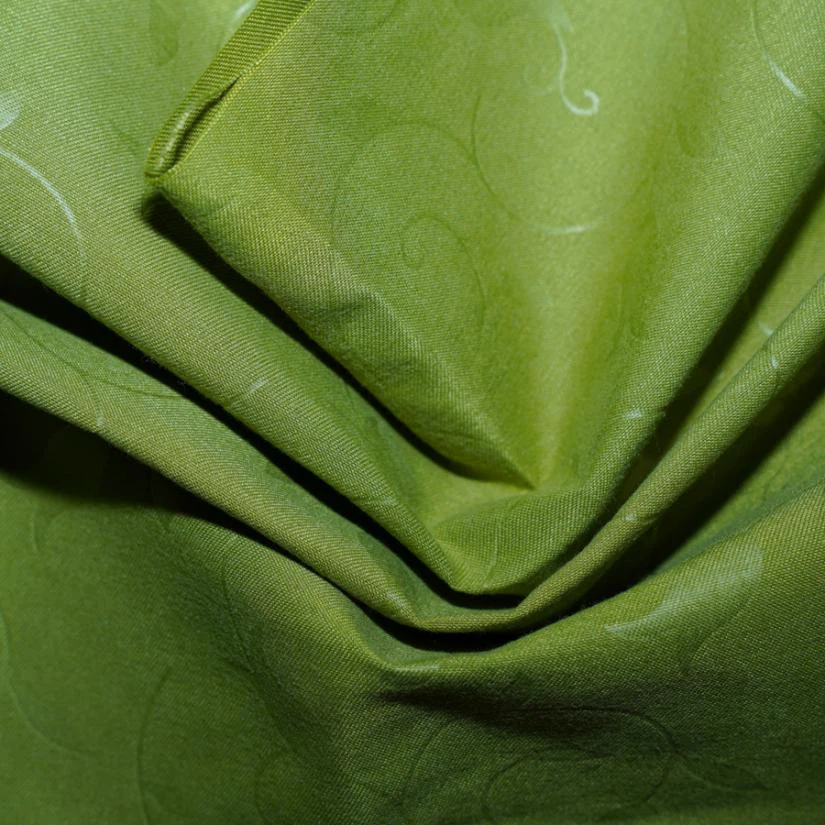
As a supplier of Polyester Bleached Fabric, I often receive inquiries from customers about how to make this type of fabric softer. Polyester bleached fabric is widely used in various industries, such as the production of Polyester Sheet Fabric, Bed Linen Fabric, and other textile products. However, its initial texture can sometimes be a bit stiff, which may not meet the comfort requirements of end - users. In this blog, I will share some effective methods to make polyester bleached fabric softer.
Understanding Polyester Bleached Fabric
Before diving into the softening methods, it's essential to understand the nature of polyester bleached fabric. Polyester is a synthetic fiber known for its durability, wrinkle - resistance, and easy - care properties. Bleaching is a process that removes natural color and impurities from the fabric, giving it a clean, white appearance. But during the bleaching process, the fabric may lose some of its natural softness due to chemical treatments.
Method 1: Use Fabric Softeners
Fabric softeners are a popular and straightforward way to make polyester bleached fabric softer. They work by coating the fabric fibers with a thin layer of chemicals that reduce friction between the fibers. When the fibers can move more freely, the fabric feels softer to the touch.
There are two main types of fabric softeners: liquid and dryer sheets.
- Liquid Fabric Softeners: Add the recommended amount of liquid fabric softener to the rinse cycle of your washing machine. Make sure to follow the instructions on the product label, as different brands may have different dosages. For polyester bleached fabric, choose a fabric softener that is suitable for synthetic fibers. Some fabric softeners are formulated specifically for delicate fabrics, which can be a good choice to avoid any potential damage to the fabric.
- Dryer Sheets: Dryer sheets are convenient to use. Simply toss one or two dryer sheets into the dryer with your polyester bleached fabric. As the dryer tumbles, the sheets release softening agents onto the fabric. However, be aware that overusing dryer sheets can leave a residue on the fabric over time, which may affect its breathability.
Method 2: Vinegar Rinse
Vinegar is a natural and inexpensive alternative to commercial fabric softeners. It helps to break down the soap residue that can accumulate on the fabric during washing, which can make the fabric feel stiff. Additionally, vinegar can neutralize the alkalinity of detergents, leaving the fabric with a softer feel.
To use vinegar as a fabric softener, add 1/2 to 1 cup of white vinegar to the rinse cycle of your washing machine. You can use regular household white vinegar. The vinegar smell will dissipate during the drying process, so don't worry about your fabric smelling like vinegar. This method is not only effective but also environmentally friendly.
Method 3: Baking Soda Treatment
Baking soda is another household item that can be used to soften polyester bleached fabric. It has mild abrasive properties that can help to remove dirt and grime from the fabric, as well as break down any hard water minerals that may be causing the fabric to feel stiff.
Add 1/2 cup of baking soda to the wash cycle along with your regular detergent. Baking soda can also help to brighten the fabric, making it look cleaner and more vibrant. It is a gentle treatment that is safe for most types of fabrics, including polyester bleached fabric.
Method 4: Mechanical Softening
Mechanical methods can also be used to make polyester bleached fabric softer.
- Tumbling in the Dryer: The tumbling action in the dryer can help to loosen up the fabric fibers and make the fabric softer. Set your dryer to a low - heat setting to avoid damaging the fabric. You can also add a few clean tennis balls or dryer balls to the dryer. As the balls bounce around, they will help to separate the fabric fibers, resulting in a softer texture.
- Hand Kneading or Rolling: For smaller pieces of fabric, you can try hand - kneading or rolling the fabric after washing. This can help to break up any clumps of fibers and make the fabric feel softer. Be gentle when doing this to avoid stretching or tearing the fabric.
Method 5: Enzyme - Based Detergents
Enzyme - based detergents can be beneficial for softening polyester bleached fabric. Enzymes are biological molecules that can break down organic substances, such as dirt and stains, on the fabric. They can also help to remove any protein - based residues that may be making the fabric feel stiff.
When choosing an enzyme - based detergent, look for one that is suitable for synthetic fibers. Follow the instructions on the detergent package for the correct dosage and washing temperature. Using an enzyme - based detergent regularly can gradually improve the softness of the fabric over time.
Tips for Maintaining Softness
- Proper Storage: Store your polyester bleached fabric in a cool, dry place. Avoid folding the fabric tightly for long periods, as this can cause creases and make the fabric feel stiffer. Instead, hang the fabric or store it loosely in a drawer.
- Avoid Over - Washing: Over - washing can cause the fabric to lose its softness over time. Only wash the fabric when it is really dirty, and follow the care instructions on the fabric label.
- Use Gentle Detergents: Choose mild, gentle detergents that are formulated for synthetic fabrics. Harsh detergents can damage the fabric fibers and make the fabric feel stiff.
Conclusion
Making polyester bleached fabric softer is achievable through a variety of methods. Whether you choose to use commercial fabric softeners, natural alternatives like vinegar and baking soda, or mechanical methods, you can find a solution that suits your needs. As a supplier of Polyester Bleached Fabric, I understand the importance of providing high - quality and comfortable fabrics to our customers. If you have any further questions about our products or need more advice on fabric softening, please feel free to contact us for procurement and negotiation. We are always ready to assist you in finding the best solutions for your textile needs.


References
- "Textile Science and Technology: Fibers, Yarns, Fabrics, and Apparel" by John H. Tortora and Robert S. Merkel.
- "The Complete Guide to Home Sewing" by Reader's Digest.