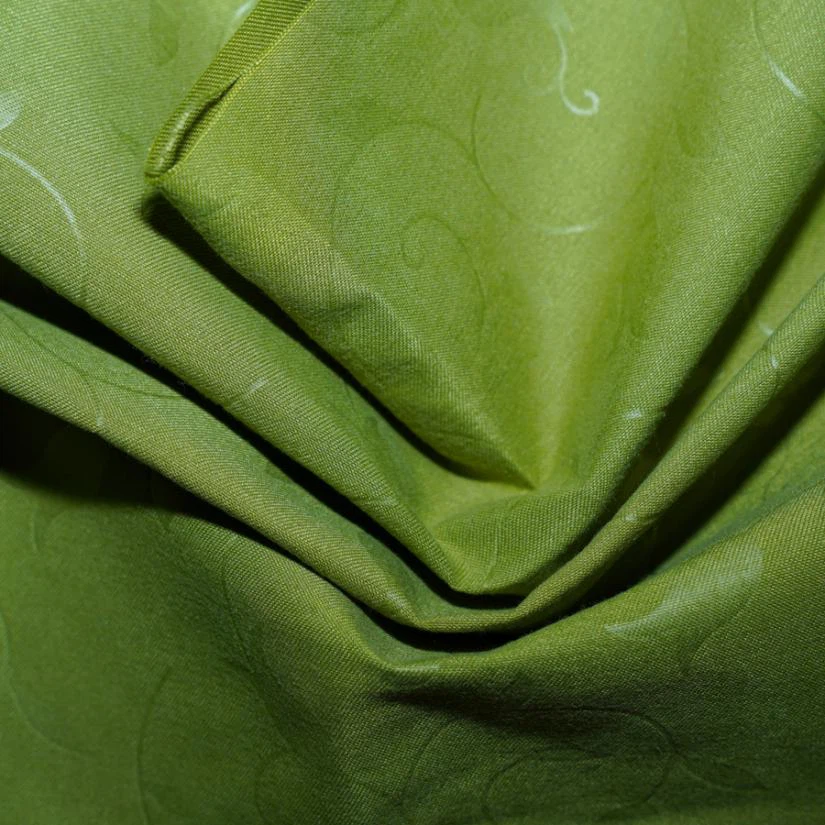
As a supplier of disperse printed fabric, I've witnessed the increasing demand for waterproof functionality in various applications. Whether it's for outdoor clothing, tents, or other items exposed to the elements, making disperse printed fabric waterproof is a crucial process. In this blog, I'll share some effective methods and considerations to achieve this goal.
Understanding Disperse Printed Fabric
Disperse printed fabric is a type of fabric that uses disperse dyes to create vibrant and long - lasting prints. These dyes are especially suitable for synthetic fibers like polyester, which are commonly used in disperse printed fabrics. The Patterned Polyester Fabric is a prime example of such materials. Polyester fabrics have many advantages, including high strength, good wrinkle resistance, and quick - drying properties. However, they are not inherently waterproof.
Why Make Disperse Printed Fabric Waterproof?
The need for waterproof disperse printed fabric is driven by a variety of factors. In the fashion industry, waterproof outdoor clothing is highly sought after by consumers who engage in activities such as hiking, camping, and skiing. For the outdoor equipment market, waterproof tents and awnings made from disperse printed fabric can provide better protection from rain and moisture. Additionally, waterproof fabrics are also used in the automotive and marine industries for seat covers and boat covers.
Methods of Making Disperse Printed Fabric Waterproof
1. Coating Method
One of the most common ways to make disperse printed fabric waterproof is through coating. There are several types of coatings available:


- Polyurethane (PU) Coating: PU coating is widely used due to its excellent waterproof and windproof properties. It forms a thin, flexible film on the surface of the fabric. The coating can be applied in different thicknesses depending on the desired level of waterproofness. To apply a PU coating, the fabric is first passed through a coating machine, where a layer of liquid PU is evenly spread on one or both sides of the fabric. After that, the fabric goes through a drying process to solidify the coating. However, it's important to note that a thick PU coating may reduce the breathability of the fabric.
- Polytetrafluoroethylene (PTFE) Coating: PTFE, also known as Teflon, is another high - performance coating material. It has a unique structure that repels water and oil. PTFE - coated fabrics are not only waterproof but also resistant to stains. The application of PTFE coating usually involves a more complex process. First, the fabric is treated with a primer to improve the adhesion of the PTFE coating. Then, the PTFE is applied in multiple layers using a special spraying or dipping method. PTFE - coated disperse printed fabric is often used in high - end outdoor clothing.
2. Laminating Method
Laminating is another effective approach to make the fabric waterproof. In this method, a waterproof membrane is bonded to the disperse printed fabric.
- Thermal Lamination: Thermal lamination uses heat to bond the waterproof membrane to the fabric. A common type of waterproof membrane used in thermal lamination is a microporous membrane. This membrane allows water vapor to pass through while blocking liquid water. The process involves placing the membrane and the fabric together and passing them through heated rollers. The heat activates an adhesive layer on the membrane or the fabric, creating a strong bond. Thermal - laminated disperse printed fabric is often used in breathable waterproof clothing.
- Adhesive Lamination: Adhesive lamination uses an adhesive to bond the membrane and the fabric. There are different types of adhesives available, such as solvent - based and water - based adhesives. Solvent - based adhesives provide a strong bond but may have environmental concerns due to the release of volatile organic compounds (VOCs). Water - based adhesives are more environmentally friendly but may have slightly lower bonding strength.
3. Impregnation Method
The impregnation method involves soaking the disperse printed fabric in a waterproofing solution.
- Silicone - based Impregnation: Silicone - based waterproofing agents can penetrate the fibers of the fabric. When the fabric is soaked in a silicone solution, the silicone molecules attach to the fiber surfaces, creating a water - repellent effect. This method is relatively simple and can maintain the flexibility and breathability of the fabric to a large extent. After impregnation, the fabric needs to be dried and cured at a certain temperature to ensure the effectiveness of the waterproofing.
Considerations When Making Disperse Printed Fabric Waterproof
1. Compatibility with the Print
It's essential to ensure that the waterproofing process does not damage the disperse print on the fabric. Some waterproofing agents or processes may react with the disperse dyes, causing color fading or bleeding. Before applying any waterproofing treatment, it's advisable to conduct a small - scale test on a sample of the fabric to check for compatibility.
2. Breathability
While waterproofness is important, breathability is also a key factor, especially for clothing applications. A fabric that is completely waterproof but non - breathable can make the wearer feel hot and sweaty. Therefore, when choosing a waterproofing method, it's necessary to balance waterproofness and breathability. For example, using a breathable membrane or a thin coating can help maintain a certain level of breathability.
3. Durability
The waterproofing effect should be durable. The fabric may be exposed to various environmental factors such as friction, washing, and sunlight. A good waterproofing treatment should be able to withstand these conditions. For example, a high - quality coating or lamination should not peel off or crack after multiple washes or extended use.
Quality Control of Waterproof Disperse Printed Fabric
After the waterproofing process, it's crucial to conduct quality control tests. Some common tests include:
- Water Resistance Test: This test measures the ability of the fabric to resist water penetration. The fabric is placed under a certain water pressure for a specific period, and the amount of water that passes through the fabric is measured.
- Breathability Test: Breathability can be measured by the moisture vapor transmission rate (MVTR). A higher MVTR indicates better breathability.
- Colorfastness Test: To ensure that the disperse print remains intact after the waterproofing process, a colorfastness test is conducted. The fabric is subjected to various conditions such as washing, rubbing, and light exposure, and the color change is evaluated.
Conclusion
Making disperse printed fabric waterproof is a complex but achievable process. By choosing the right method, considering the compatibility with the print, balancing breathability and waterproofness, and conducting strict quality control, we can produce high - quality waterproof disperse printed fabric. Our company offers a wide range of Printed Woven Fabric and Printed Waterproof Fabric products. If you are interested in our products or have any questions about waterproof fabric, feel free to contact us for further discussion and potential procurement.
References
- "Textile Science and Technology: Dyeing and Chemical Finishing" by M. Lewis
- "Handbook of Technical Textiles" edited by A. R. Horrocks and S. C. Anand