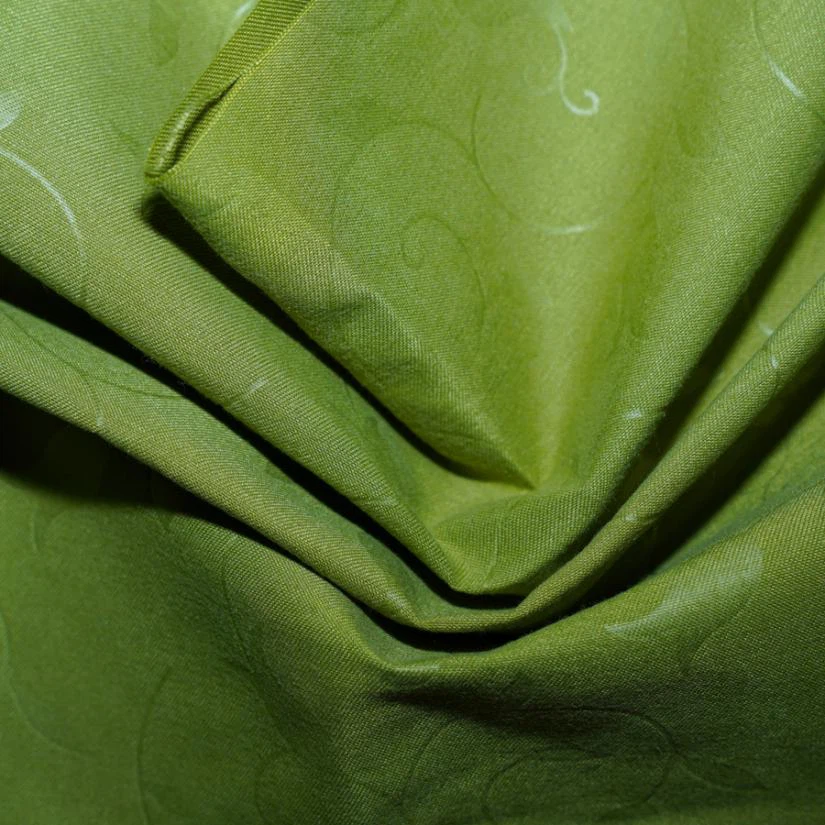
Hey there! As a supplier of digital printed fabric, I've been in the business long enough to know that evaluating print quality is super important. Whether you're a designer looking for the perfect fabric for your next collection or a customer wanting high - quality bedding, understanding how to assess print quality can make a huge difference.
First off, let's talk about color accuracy. When you're dealing with digital printed fabric, the colors should be as close as possible to the original design. You see, a lot of factors can affect color accuracy. The type of ink used is a big one. Some inks are more vibrant and fade - resistant than others. For instance, pigment inks are known for their long - lasting color, while dye - sublimation inks can produce really sharp and bright prints.
To check color accuracy, I always recommend comparing the printed fabric with the original digital file. Look for any noticeable differences in hue, saturation, or brightness. If you're ordering in bulk, ask for a sample first. That way, you can hold the fabric in your hands and see how the colors look in different lighting conditions. Sometimes, colors can look different under artificial light compared to natural sunlight.
Another key aspect is sharpness and detail. A high - quality digital print should have clear, crisp lines and fine details. Blurry or pixelated prints are a big no - no. This is especially important if you're using the fabric for things like Digital Photo Printing On Fabric. Photos need to look as sharp as possible to convey the intended message.
One way to test sharpness is to look at small elements in the design, like text or fine patterns. If the edges are well - defined and there are no jagged lines, that's a good sign. You can also use a magnifying glass to get a closer look. If you see individual pixels that are too large or not evenly spaced, it might indicate a problem with the printing process.
Durability is also a major factor when evaluating print quality. After all, you don't want the print to start fading or peeling off after just a few washes. The durability of a digital print depends on several things, including the type of fabric and the printing method.
For example, if you're using a Digital Printed Polyester Bedsheet Fabric, polyester is generally a more durable fabric compared to some natural fibers. But the printing process also matters. Some printing techniques create a more permanent bond between the ink and the fabric. For instance, heat - transfer printing can result in a very durable print because the ink is fused into the fabric fibers.
To test durability, you can perform a simple rub test. Take a clean, white cloth and gently rub a small area of the print. If a lot of color comes off on the cloth, that's a sign that the print might not be very durable. You can also ask the supplier about the recommended care instructions. Following the right washing and drying methods can help extend the life of the print.
Consistency is another thing to keep in mind. If you're ordering a large quantity of fabric, you want all the pieces to have the same print quality. There shouldn't be any noticeable differences in color, sharpness, or durability between different rolls or batches.
A reliable supplier will have quality control measures in place to ensure consistency. They should be able to provide you with a certificate of quality or some kind of guarantee. Before placing a big order, ask for multiple samples from different batches. Compare them side by side to make sure they meet your standards.
Now, let's talk about how these factors play into different applications. If you're looking for Digital Printed Fabric for Bedding, color accuracy is crucial. You want the colors on your bedsheet to match the rest of your bedroom decor. Sharpness might not be as critical as long as the overall design looks good. But durability is extremely important. Bedding gets washed frequently, so the print needs to withstand multiple wash cycles without losing its quality.
On the other hand, if you're using the fabric for fashion design, sharpness and detail are often top priorities. Designers need to showcase their unique patterns and prints, and any blurriness or lack of detail can ruin the look of a garment. Color accuracy is also important, especially if you're creating a collection with a specific color scheme.
So, how do you go about finding a supplier that can provide high - quality digital printed fabric? Well, the first step is to do your research. Look for suppliers with a good reputation in the industry. Read online reviews and ask for recommendations from other designers or customers.
When you contact a supplier, don't be afraid to ask questions. Ask about their printing process, the types of inks they use, and their quality control measures. A good supplier will be happy to answer all your questions and provide you with the information you need to make an informed decision.
If you're interested in our digital printed fabric, we'd love to have a chat with you. We've been in the business for years, and we take pride in providing high - quality products. Whether you're looking for bedding fabric, photo - printed fabric, or something else, we can work with you to meet your needs. Just reach out, and we'll start the conversation about how we can help you with your next project.
In conclusion, evaluating the print quality of digital printed fabric involves looking at color accuracy, sharpness and detail, durability, and consistency. By understanding these factors and knowing what to look for, you can ensure that you're getting the best possible fabric for your needs. And if you're in the market for digital printed fabric, don't hesitate to contact us. We're here to help you make your vision a reality.
References


- Textile Printing Technology Handbook
- Digital Printing in the Textile Industry Research Papers