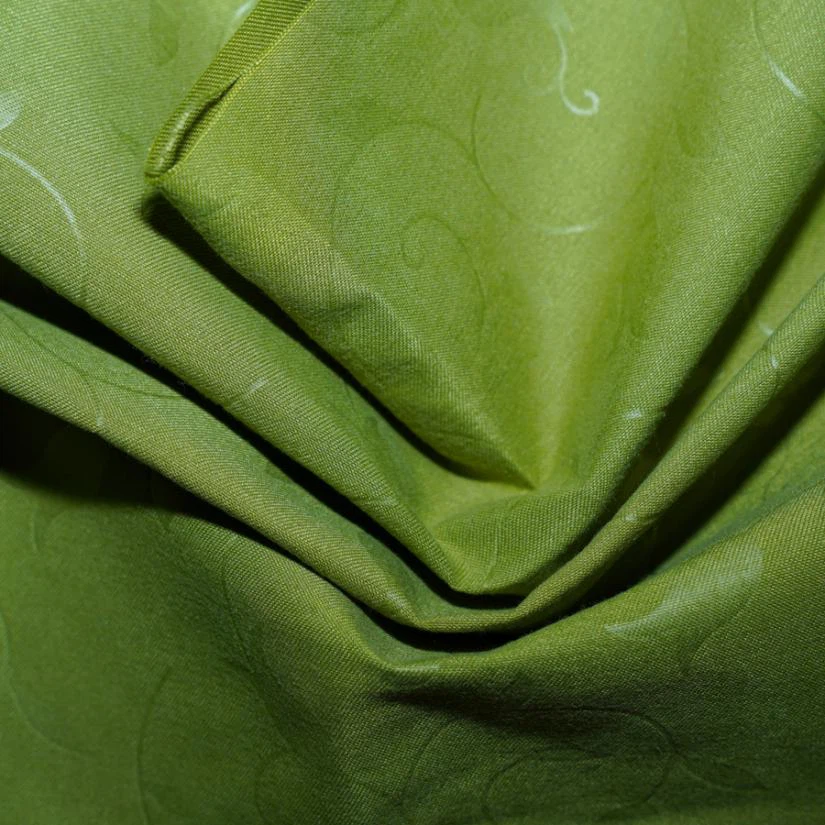
As a supplier of Polyester Bleached Fabric, I understand the importance of achieving a straight cut in the fabric manufacturing and processing industry. A straight cut not only enhances the aesthetic appeal of the final product but also ensures precision in various applications, from clothing to home textiles. In this blog, I will share some effective methods and tips on how to ensure a straight cut on polyester bleached fabric.


Understanding Polyester Bleached Fabric
Before diving into the cutting techniques, it's essential to have a basic understanding of polyester bleached fabric. Polyester is a synthetic fiber known for its durability, wrinkle - resistance, and easy - care properties. Bleaching is a process that removes natural colors and impurities from the fabric, resulting in a clean, white appearance. Polyester Bleached Fabric is widely used in different industries, such as the production of Polyester Sheet Fabric and Bed Linen Fabric.
Pre - cutting Preparation
1. Fabric Inspection
Before cutting, carefully inspect the fabric for any defects, such as uneven dyeing, slubs, or tears. These defects can affect the cutting process and the quality of the final product. Lay the fabric flat on a clean, smooth surface and visually examine it from different angles. If you find any issues, mark the areas and decide whether to cut around them or discard the affected parts.
2. Grain Line Identification
The grain line of the fabric refers to the direction in which the yarns run. In polyester bleached fabric, the straight grain runs parallel to the selvage (the finished edges of the fabric). It's crucial to identify the grain line correctly because cutting along the grain ensures that the fabric hangs and drapes properly. You can use a fabric marking tool, such as a chalk or a disappearing ink pen, to mark the grain line on the fabric.
3. Fabric Stabilization
Polyester bleached fabric can sometimes be slippery, which makes it difficult to cut straight. To prevent the fabric from shifting during cutting, you can use a few stabilization techniques. One option is to use fabric weights or clips to hold the fabric in place. Place the weights or clips along the edges of the fabric, especially near the cutting area. Another method is to use a non - slip cutting mat. These mats have a textured surface that grips the fabric, providing better control during cutting.
Cutting Tools Selection
1. Sharp Scissors
Invest in a good pair of sharp scissors specifically designed for cutting fabric. Dull scissors can cause the fabric to fray or result in uneven cuts. Look for scissors with a sharp blade and a comfortable grip. For cutting polyester bleached fabric, a pair of fine - pointed scissors works well, as they allow for more precise cutting, especially for intricate patterns.
2. Rotary Cutters
Rotary cutters are another popular tool for cutting fabric. They consist of a circular blade that rotates as you cut, providing a smooth and continuous cut. Rotary cutters are particularly useful for cutting large pieces of fabric or straight lines. When using a rotary cutter, make sure to use a self - healing cutting mat to protect the blade and the surface beneath.
3. Cutting Rulers
A cutting ruler is an essential tool for ensuring straight cuts. Choose a ruler made of a durable material, such as acrylic or plastic, with clear markings. A long ruler is ideal for cutting long, straight lines, while a smaller ruler can be used for more detailed work. When using a ruler, make sure it is firmly pressed against the fabric to prevent it from shifting during cutting.
Cutting Techniques
1. Straight Edge Cutting
For simple, straight cuts, use a cutting ruler as a guide. Place the ruler along the desired cutting line, aligning it with the marked grain line if possible. Hold the ruler firmly in place and use your cutting tool (scissors or rotary cutter) to cut along the edge of the ruler. Apply even pressure throughout the cutting process to ensure a straight and clean cut.
2. Pattern Cutting
If you are cutting a pattern, place the pattern piece on the fabric and secure it with pins or pattern weights. Make sure the pattern is aligned with the grain line of the fabric. Use a fabric marking tool to trace the outline of the pattern on the fabric. Then, carefully cut along the marked lines, following the pattern as closely as possible.
3. Multiple Layer Cutting
When cutting multiple layers of polyester bleached fabric at once, it's important to ensure that all layers are aligned correctly. Stack the fabric layers neatly on top of each other, making sure the edges are even. You can use a long pin or a fabric clamp to hold the layers together at the corners. When cutting, use a sharp cutting tool and apply enough pressure to cut through all the layers evenly.
Post - cutting Checks
1. Edge Inspection
After cutting, inspect the edges of the fabric to ensure they are straight and clean. If you notice any fraying or unevenness, you can use a fabric sealant or a serger to finish the edges. A serger is a specialized sewing machine that trims and finishes the edges of the fabric simultaneously, preventing fraying.
2. Measurement Verification
Measure the cut pieces to ensure they meet the required dimensions. Use a measuring tape or a ruler to check the length, width, and angles of the pieces. If there are any discrepancies, mark the areas and decide whether to make adjustments or recut the pieces.
Troubleshooting
1. Fabric Shifting
If the fabric shifts during cutting, stop immediately and realign it. Check the fabric weights or clips to make sure they are holding the fabric securely. You may also need to adjust the pressure you are applying to the cutting tool. If the problem persists, try using a different stabilization method, such as a non - slip cutting mat.
2. Uneven Cuts
Uneven cuts can be caused by dull cutting tools, incorrect grain line alignment, or improper cutting techniques. If you notice uneven cuts, first check the sharpness of your cutting tool. If the blade is dull, sharpen or replace it. Next, double - check the grain line alignment and make sure you are cutting along the marked lines. If necessary, practice your cutting technique on a scrap piece of fabric to improve your skills.
Conclusion
Achieving a straight cut on polyester bleached fabric requires careful preparation, the right tools, and proper cutting techniques. By following the steps outlined in this blog, you can ensure that your cuts are precise and the final product meets the highest quality standards. Whether you are using the fabric for Polyester Sheet Fabric or Bed Linen Fabric, a straight cut will enhance the overall appearance and functionality of the product.
If you are interested in purchasing high - quality Polyester Bleached Fabric, feel free to contact us for more information and to discuss your specific requirements. We are committed to providing you with the best fabric solutions and excellent customer service.
References
- Textile Institute. Handbook of Textile Fibres. Woodhead Publishing, 2011.
- Parnell, D. The Complete Photo Guide to Sewing. Cool Springs Press, 2014.