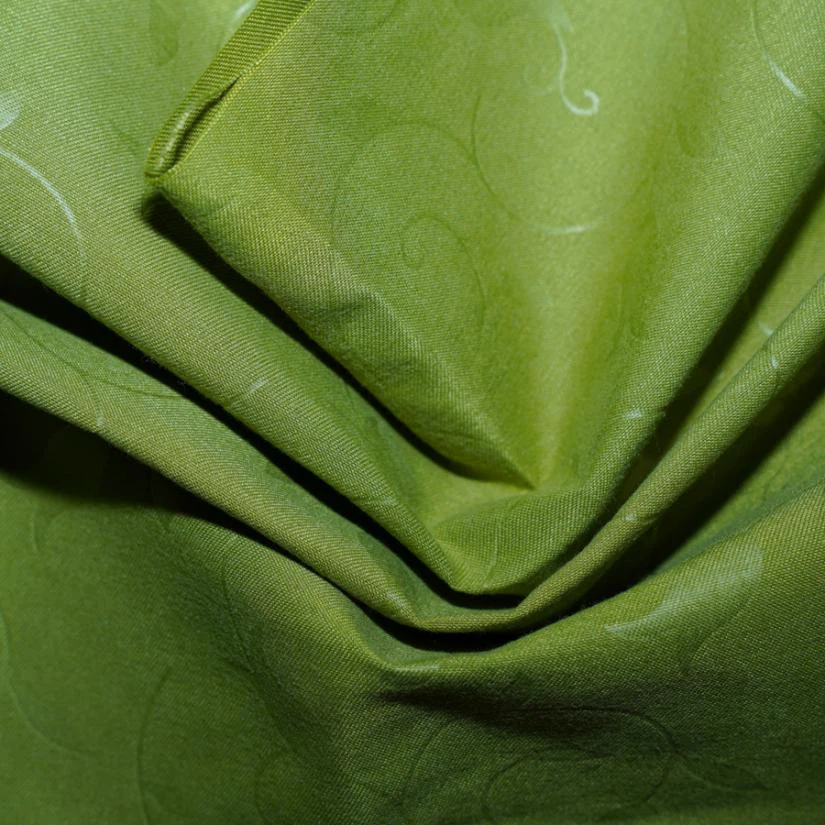
When it comes to creating a comfortable and inviting bedroom environment, choosing the right bed linen fabric plays a crucial role. As a long - standing Bed Linen Fabric supplier, I've witnessed firsthand the impact that high - quality bed linen can have on sleep quality and overall well - being. In this blog, I'll share some key factors to consider when selecting the perfect bed linen fabric for your needs.
1. Understanding Different Types of Bed Linen Fabrics
Cotton
Cotton is one of the most popular choices for bed linen. It is breathable, absorbent, and soft against the skin. There are different types of cotton, such as Egyptian cotton, Pima cotton, and regular cotton. Egyptian cotton is known for its long fibers, which result in a smoother, stronger, and more lustrous fabric. Pima cotton also has long fibers and offers similar qualities to Egyptian cotton. Regular cotton is more affordable and still provides a comfortable sleeping experience. Cotton bed linens are suitable for most climates, as they can keep you cool in the summer and warm in the winter.
Linen
Linen is made from the fibers of the flax plant. It is highly breathable and has natural antibacterial properties. Linen bed linens are very absorbent and can wick away moisture from the body, making them ideal for hot and humid climates. They have a slightly rough texture that softens with each wash. Linen also becomes more breathable over time. However, it wrinkles easily, which might be a drawback for some people.
Silk
Silk is a luxurious and elegant choice for bed linen. It is made from the cocoons of silkworms. Silk is incredibly soft, smooth, and has a natural sheen. It is hypoallergenic and gentle on the skin, making it suitable for people with sensitive skin. Silk also helps to regulate body temperature, keeping you cool in the summer and warm in the winter. But silk is more expensive and requires special care, such as gentle washing and avoiding direct sunlight.

Polyester
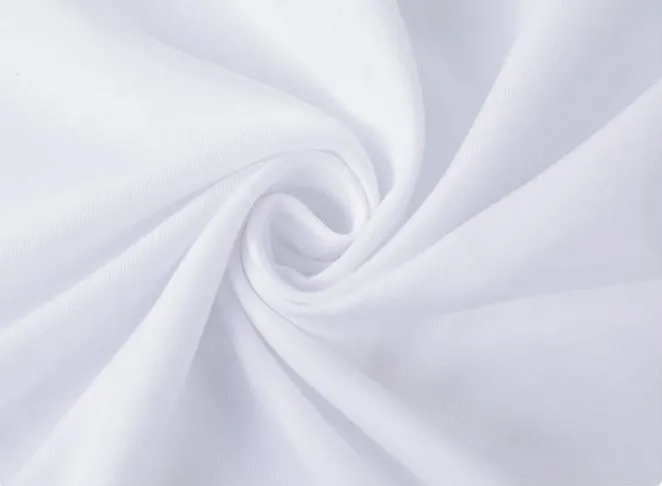
Polyester is a synthetic fabric that is often used in bed linen. Polyester Sheet Fabric and Polyester Bleached Fabric are common types. Polyester is durable, wrinkle - resistant, and easy to care for. It is also less expensive compared to natural fabrics. However, it is not as breathable as cotton, linen, or silk, and it may not be as comfortable to sleep on in hot weather.
2. Thread Count
Thread count refers to the number of horizontal and vertical threads per square inch of fabric. In general, a higher thread count is associated with a softer, smoother, and more durable fabric. However, it's important to note that thread count is not the only indicator of quality. Some fabrics with a lower thread count can still be very comfortable if they are made from high - quality fibers. For cotton bed linens, a thread count between 300 and 600 is considered good for everyday use. For more luxurious options, you can look for thread counts above 800.
3. Weave
The weave of the fabric also affects its feel and performance.
Percale
Percale is a plain weave fabric that is crisp and cool to the touch. It has a matte finish and is known for its durability. Percale is a popular choice for summer bedding as it allows air to circulate, keeping you cool at night.
Sateen
Sateen has a satin - like weave that gives it a smooth, shiny finish. It is softer and more lustrous than percale. Sateen is warmer than percale, making it a good option for winter bedding.
Twill
Twill weave creates a diagonal pattern on the fabric. It is more durable and has a slightly textured feel. Twill - woven bed linens are often used for heavier, more hard - wearing bedding.
4. Color and Design
The color and design of your bed linen can enhance the overall aesthetic of your bedroom. Neutral colors like white, beige, and gray are classic and versatile, and they can easily match different bedroom decors. Bright colors and bold patterns can add a pop of personality to your room. However, when choosing colored bed linens, make sure to consider the colorfastness. High - quality bed linens should not fade easily after washing.
5. Care and Maintenance
Different fabrics require different care. Cotton bed linens are generally easy to care for and can be machine - washed in warm water. Linen may need to be ironed while still damp to reduce wrinkles. Silk should be hand - washed or machine - washed on a gentle cycle with a mild detergent. Polyester is very low - maintenance and can be machine - washed and dried without much worry.
6. Budget
Your budget will also play a significant role in your choice of bed linen fabric. Natural fabrics like Egyptian cotton, silk, and high - quality linen tend to be more expensive. Polyester and regular cotton are more affordable options. You can find a good balance between quality and price by considering your needs and preferences.
As a Bed Linen Fabric supplier, I understand that every customer has unique requirements. Whether you are looking for a budget - friendly option for a guest room or a luxurious set for your master bedroom, we have a wide range of bed linen fabrics to meet your needs. Our fabrics are sourced from high - quality manufacturers and undergo strict quality control to ensure that you get the best products.
If you are interested in purchasing bed linen fabric, I encourage you to reach out to us. We can provide you with samples so that you can feel the texture and quality of the fabric for yourself. Our team of experts is also available to answer any questions you may have and help you make the right choice.
References
- "The Ultimate Guide to Bed Linens" by Good Housekeeping
- "Textiles: Fiber to Fabric" by Jill Salmons