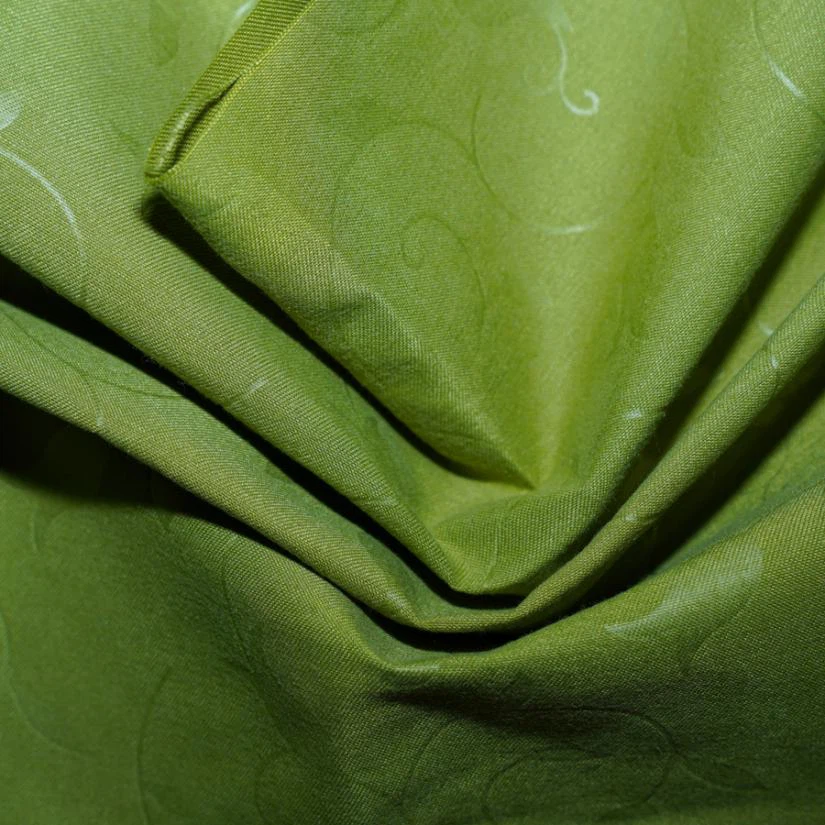
As a supplier of digital printed fabric, one of the most frequently asked questions I receive is, "How long does the digital printing process for fabric take?" This is a crucial query for our clients, whether they are designers, manufacturers, or retailers, as it directly impacts their production schedules and delivery timelines. In this blog post, I'll delve into the factors that influence the duration of the digital fabric printing process and provide a comprehensive overview of what you can expect.
Understanding the Digital Printing Process for Fabric
Before we discuss the time it takes, let's briefly outline the digital printing process for fabric. Digital fabric printing involves transferring a digital image onto fabric using specialized printers and inks. Unlike traditional printing methods, such as screen printing, digital printing offers greater flexibility, higher resolution, and the ability to print complex designs with ease.
The process typically consists of the following steps:
- Design Preparation: The first step is to create or select a digital design. This may involve working with a graphic designer to develop a custom pattern or choosing from a library of pre-designed motifs. The design is then prepared for printing, which may include adjusting the color, resolution, and size to ensure optimal results.
- Fabric Selection: The next step is to choose the appropriate fabric for printing. Different fabrics have different properties, such as absorbency, texture, and stretch, which can affect the printing process and the final outcome. Common fabrics used for digital printing include cotton, polyester, silk, and blends.
- Pre-Treatment: Some fabrics may require pre-treatment before printing to improve the adhesion of the ink and enhance the color vibrancy. This may involve applying a special coating or treatment to the fabric surface.
- Printing: Once the design and fabric are ready, the digital printing process begins. The printer uses a series of nozzles to deposit tiny droplets of ink onto the fabric, creating the desired image. The printing speed and quality depend on several factors, such as the printer model, the resolution of the design, and the type of ink used.
- Post-Treatment: After printing, the fabric may undergo post-treatment to fix the ink and ensure its durability. This may involve heat setting, washing, or applying a protective coating.
- Quality Control: Finally, the printed fabric is inspected for quality control to ensure that it meets the required standards. Any defects or imperfections are identified and corrected before the fabric is packaged and shipped to the client.
Factors Affecting the Duration of the Digital Printing Process
The time it takes to complete the digital printing process for fabric can vary depending on several factors, including:


- Design Complexity: The complexity of the design is one of the most significant factors affecting the printing time. Simple designs with fewer colors and details can be printed more quickly than complex designs with multiple colors, gradients, and fine lines.
- Fabric Type and Quantity: Different fabrics have different printing requirements, which can affect the printing time. For example, printing on a thick or textured fabric may take longer than printing on a thin or smooth fabric. Additionally, the quantity of fabric being printed can also impact the printing time, as larger orders may require more time to complete.
- Printer Speed and Capacity: The speed and capacity of the printer used for printing can also affect the printing time. High-end printers with faster printing speeds and larger print heads can print more quickly than lower-end models. However, these printers may also be more expensive and may require more maintenance.
- Pre-Treatment and Post-Treatment Requirements: As mentioned earlier, some fabrics may require pre-treatment and post-treatment before and after printing. These additional steps can add to the overall printing time, especially if they involve multiple processes or require specialized equipment.
- Order Volume and Production Schedule: The volume of orders and the production schedule of the printing facility can also affect the printing time. During peak seasons or when there is a high demand for digital printed fabric, the printing facility may have a backlog of orders, which can result in longer lead times.
Typical Timeframes for Digital Fabric Printing
Based on our experience as a digital printed fabric supplier, the following are the typical timeframes for the digital printing process:
- Design Preparation: The design preparation process can take anywhere from a few hours to several days, depending on the complexity of the design and the client's requirements. If the client provides a pre-designed file, the preparation time may be shorter.
- Fabric Selection and Pre-Treatment: The fabric selection and pre-treatment process typically takes 1-2 days. This includes selecting the appropriate fabric, pre-treating it if necessary, and ensuring that it is ready for printing.
- Printing: The printing process itself can take anywhere from a few hours to several days, depending on the size and complexity of the order. For small orders of up to 100 meters, the printing time may be as short as a few hours. For larger orders of 1000 meters or more, the printing time may take several days.
- Post-Treatment and Quality Control: The post-treatment and quality control process typically takes 1-2 days. This includes heat setting the fabric, washing it to remove any excess ink, and inspecting it for quality control.
- Packaging and Shipping: Once the printed fabric has passed quality control, it is packaged and shipped to the client. The packaging and shipping time can vary depending on the destination and the shipping method chosen. For domestic orders, the shipping time may be 1-3 days. For international orders, the shipping time may take several days to several weeks.
Expedited Services
At our company, we understand that some clients may require expedited services due to tight deadlines or urgent orders. To accommodate these needs, we offer expedited printing and shipping options for an additional fee. Our expedited services can reduce the overall printing time by up to 50%, allowing you to receive your order faster.
Conclusion
In conclusion, the duration of the digital printing process for fabric depends on several factors, including the design complexity, fabric type and quantity, printer speed and capacity, pre-treatment and post-treatment requirements, order volume, and production schedule. While the typical timeframe for digital fabric printing is 5-10 days, this can vary depending on the specific circumstances of each order. At our company, we strive to provide our clients with high-quality digital printed fabric in a timely manner. We offer a range of printing options and expedited services to meet your needs and ensure that your order is delivered on time. If you have any questions or would like to discuss your digital printing requirements, please don't hesitate to [contact us]. We look forward to working with you!
References
- "Digital Fabric Printing: A Comprehensive Guide." Textile World, 2023.
- "Factors Affecting the Quality and Efficiency of Digital Fabric Printing." Journal of Textile Science and Engineering, 2022.
- "The Future of Digital Fabric Printing." Fashion Industry Journal, 2021.