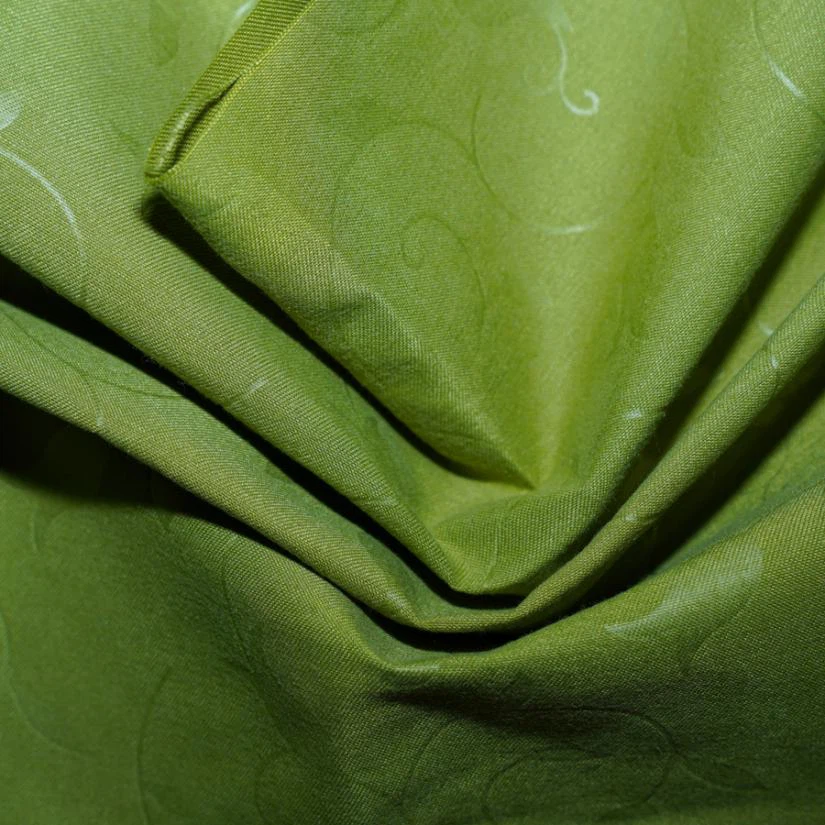
Hey there! I'm a supplier of pigment printed fabric, and today I wanna talk about how the color fastness of pigment printed fabric is tested. It's a crucial aspect in our industry, as good color fastness ensures that our products look great and last long for our customers.


First off, let's understand what color fastness is. Simply put, it's the ability of a fabric's color to resist fading, bleeding, or changing under various conditions. For pigment printed fabric, which is super popular because of its vibrant colors and wide range of applications like in Pigment Printing On Polyester Fabric, getting the color fastness right is key.
One of the most common ways to test color fastness is through washing tests. We use standard washing machines and follow specific procedures. We put the pigment printed fabric samples into the machine along with a certain amount of detergent and water. The temperature, agitation speed, and duration of the wash are all carefully controlled according to international standards. After the wash, we take out the samples and check for any signs of color loss. This could be color transfer to the adjacent fabric (if we've included a white fabric sample in the wash), or a visible change in the intensity of the color on the printed fabric itself.
Another important test is the rubbing test. There are two types: dry rubbing and wet rubbing. For the dry rubbing test, we use a rubbing tester. A small piece of white fabric is rubbed against the pigment printed fabric sample under a set pressure and a specific number of times. Then we check the white fabric for any color transfer. The wet rubbing test is similar, but the white fabric is dampened before rubbing. This test mimics the real - life situation where the fabric might get rubbed against other surfaces, either dry or wet.
Light fastness is also a big deal. Pigment printed fabrics are often used in outdoor applications or in places with lots of sunlight. To test light fastness, we expose the fabric samples to artificial light sources that simulate sunlight. The intensity and duration of the light exposure are set according to standards. Over time, we observe if the color of the fabric fades. This is important because if a fabric loses its color quickly when exposed to light, it won't look good for long, especially in products like outdoor cushions or window curtains.
Perspiration fastness is another factor. Our bodies produce sweat, and different people's sweat can have different chemical compositions. We simulate different types of perspiration (acidic and alkaline) and soak the pigment printed fabric samples in them. Then we keep them in a controlled environment for a certain period. After that, we check for color changes. This is crucial for fabrics used in clothing, as we don't want the color to run or fade when the wearer sweats.
In our company, we also do a lot of internal testing in addition to following international standards. We want to make sure that our Pigment Textile Printing products meet or exceed the expectations of our customers. We test different batches of fabric to ensure consistency. Sometimes, small variations in the printing process or the quality of the pigments can affect color fastness. So, we monitor these factors closely.
When it comes to Polyester Pigment Printed Fabric, the testing process has a few unique aspects. Polyester is a synthetic fiber, and its interaction with pigments is different from natural fibers. The way the pigment adheres to the polyester fibers can be affected by factors like the heat treatment during the printing process. We need to make sure that the heat setting is done correctly to enhance the color fastness. Also, polyester has different moisture - absorption properties compared to natural fibers, which can influence the results of the wet - related tests like the wet rubbing and perspiration tests.
We invest a lot in our testing facilities. We have state - of - the - art equipment that allows us to get accurate and reliable results. Our team of experts is constantly working on improving the testing methods and finding new ways to enhance the color fastness of our pigment printed fabrics.
Now, why is all this testing so important for you as a customer? Well, if you're buying pigment printed fabric for your business, whether it's for making clothing, home decor items, or any other products, you want the fabric to look good and maintain its color for a long time. Customers expect high - quality products, and good color fastness is a big part of that. A fabric with poor color fastness can lead to customer complaints, returns, and a negative impact on your brand.
If you're in the market for pigment printed fabric, I'd love to have a chat with you. We can discuss your specific needs, whether it's a particular color, pattern, or a specific level of color fastness. Our fabrics are made with the highest quality pigments and go through rigorous testing to ensure they meet your requirements. So, don't hesitate to reach out if you're interested in starting a partnership or making a purchase. We're here to provide you with the best pigment printed fabric solutions.
References
- Textile Testing Handbook.
- International Standards for Textile Testing.