


Embossed fabric, a remarkable textile creation, has gained immense popularity across various industries for its unique texture, aesthetic appeal, and functional properties. As a leading supplier of embossed fabric, I am excited to take you on a journey through the intricate process of how embossed fabric is made.
The Foundation: Selecting the Right Base Fabric
The first step in creating embossed fabric is choosing the appropriate base material. The quality and characteristics of the base fabric significantly influence the final outcome of the embossed product. At our company, we work with a wide range of fabrics, including cotton, polyester, and blends, each offering distinct advantages.
Polyester, for instance, is a popular choice due to its durability, wrinkle resistance, and affordability. Our Embossed Polyester Fabric is known for its smooth surface and vibrant colors, making it suitable for a variety of applications, from clothing to home decor. Another option is Polyester Embossed Microfiber Fabric, which combines the softness of microfiber with the texture of embossing, resulting in a luxurious and comfortable fabric.
Preparing the Fabric for Embossing
Once the base fabric is selected, it undergoes a series of pre - treatment processes to ensure optimal embossing results. This may include cleaning, bleaching, and dyeing. Cleaning removes any impurities or contaminants from the fabric, while bleaching can enhance the whiteness or prepare the fabric for dyeing.
Dyeing is a crucial step as it determines the color of the final embossed fabric. We offer a wide range of colors, and our Embossed White Fabric is a classic choice that provides a clean and elegant look. After dyeing, the fabric is dried thoroughly to remove excess moisture, which could affect the embossing process.
The Embossing Process
The embossing process is where the magic happens. There are several methods of embossing, but the most common ones are mechanical embossing and chemical embossing.
Mechanical Embossing
Mechanical embossing involves using pressure and heat to create a three - dimensional pattern on the fabric. The fabric is passed through a set of engraved rollers. One roller, known as the male roller, has a raised pattern, while the other, the female roller, has a corresponding recessed pattern.
As the fabric passes between these rollers, the pressure and heat cause the fabric to conform to the shape of the patterns on the rollers. The heat softens the fibers of the fabric, making them more malleable and allowing them to take on the desired texture. The temperature and pressure settings are carefully controlled to ensure a consistent and high - quality embossing effect.
Chemical Embossing
Chemical embossing, on the other hand, uses chemicals to create the embossed pattern. A resist agent is applied to the fabric in the desired pattern. This resist agent prevents the subsequent chemical treatment from affecting the areas where it is applied.

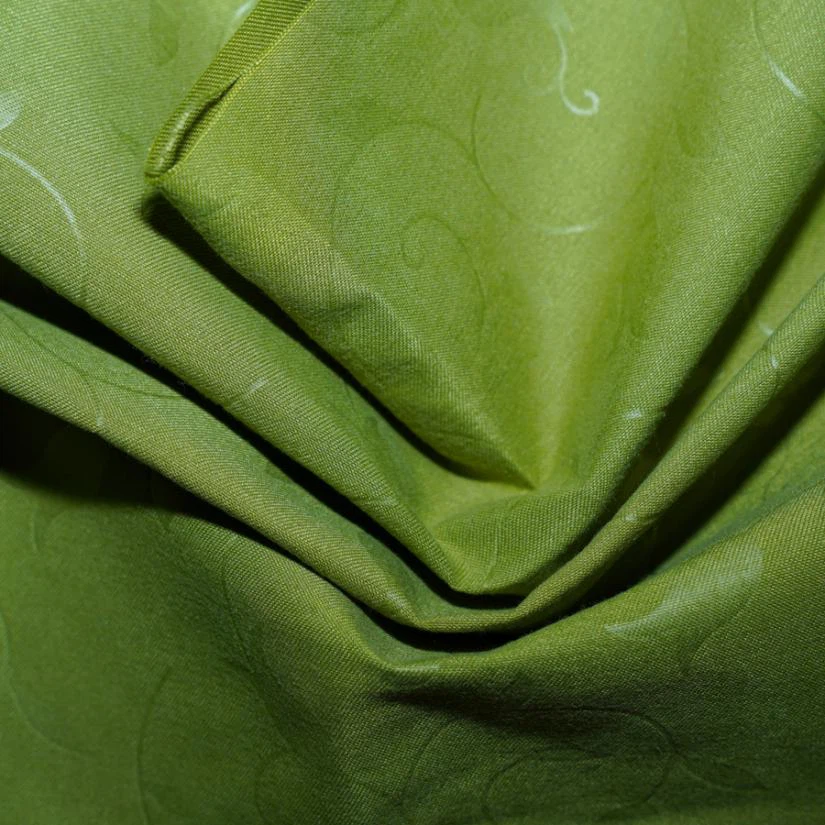
The fabric is then treated with a chemical solution that either shrinks or swells the fibers in the non - resist areas. This difference in fiber size creates a raised or recessed pattern on the fabric. Chemical embossing can produce more intricate and detailed patterns compared to mechanical embossing, but it requires more precise control of the chemical process.
Post - Embossing Treatments
After the embossing process, the fabric may undergo additional treatments to enhance its properties. This can include washing to remove any residual chemicals or loose fibers, followed by drying.
Finishing treatments are also applied to improve the fabric's hand feel, durability, and appearance. For example, a softening agent can be added to make the fabric feel smoother and more comfortable, while a water - repellent finish can increase its resistance to moisture.
Quality Control
Quality control is an integral part of the embossed fabric manufacturing process. At our company, we have a rigorous quality control system in place to ensure that every roll of embossed fabric meets our high standards.
We inspect the fabric for any defects, such as uneven embossing, color variations, or fabric damage. Samples are taken at various stages of the production process and tested for strength, colorfastness, and other performance indicators. Only after passing these tests is the fabric approved for sale.
Applications of Embossed Fabric
Embossed fabric has a wide range of applications across different industries. In the fashion industry, it is used to create unique and stylish clothing items, such as dresses, jackets, and skirts. The texture of the embossed fabric adds depth and interest to the garments, making them stand out from the crowd.
In the home decor sector, embossed fabric is used for upholstery, curtains, and bedding. It can transform a plain room into a more luxurious and inviting space. The durability of embossed fabric also makes it suitable for commercial applications, such as in hotels, restaurants, and offices.
Why Choose Our Embossed Fabric
As a leading supplier of embossed fabric, we take pride in our commitment to quality, innovation, and customer satisfaction. Our state - of - the - art manufacturing facilities allow us to produce embossed fabric with the highest level of precision and consistency.
We offer a wide range of fabrics, patterns, and colors to meet the diverse needs of our customers. Whether you are a fashion designer looking for a unique fabric for your next collection or a home decorator in search of a high - quality upholstery fabric, we have the perfect solution for you.
Contact Us for Your Embossed Fabric Needs
If you are interested in purchasing embossed fabric for your project, we would love to hear from you. Our team of experts is ready to assist you in selecting the right fabric, pattern, and color for your specific requirements. Contact us today to start a discussion about your embossed fabric needs and take the first step towards creating something truly special.
References
- Textile Manufacturing Handbook, John Wiley & Sons
- Encyclopedia of Textiles, Routledge


