Hey there! As a supplier of waffle fabric, I often get asked how it stacks up against flannel. It's a great question, and today, I'm gonna break it down for you.
Let's start with the basics. Flannel is a well - known fabric. It's been around for ages, and most people are familiar with its soft, fuzzy feel. It's usually made from cotton, wool, or a blend of the two. Flannel has a brushed surface that gives it that cozy, warm, and velvety texture. You've probably got a flannel shirt in your closet or maybe some flannel sheets on your bed. It's the go - to fabric for a lot of folks when they want something really warm and snug.
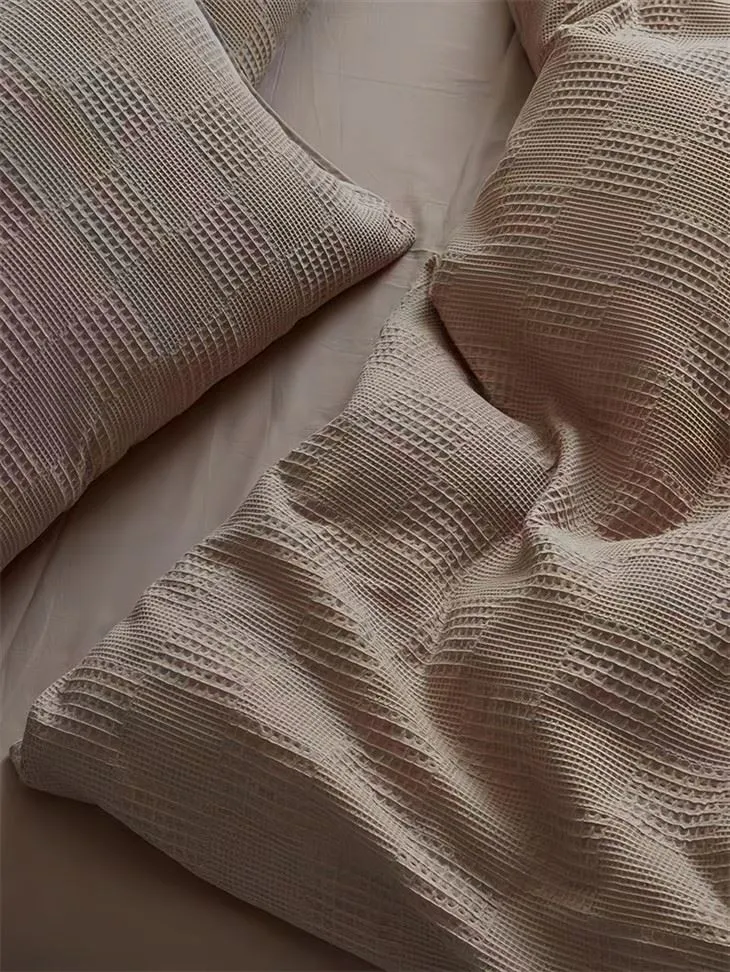
On the other hand, waffle fabric is a bit different. It gets its name from its unique waffle - like texture. This fabric can be made from various materials, including 100% Polyester Waffle Fabric, which is super popular because polyester is durable, easy to care for, and has a nice sheen. There's also Polyester Waffle Microfiber Fabric that combines the waffle texture with the softness and absorbency of microfiber.
Comfort and Softness
When it comes to comfort, both flannel and waffle fabric have their own charm. Flannel is incredibly soft to the touch. The brushing process creates a layer of fine fibers on the surface, which feels gentle against the skin. It's like being wrapped in a warm hug. It's especially great for cold nights when you want to feel as cozy as possible.
Waffle fabric, however, offers a different kind of comfort. The waffle texture creates air pockets within the fabric. These air pockets not only make the fabric breathable but also give it a plush and cushiony feel. It's like lying on a cloud of little pillows. And if you're using Waffle Fabric for Bedding, you'll find that it adds an extra level of comfort to your sleep. The fabric conforms to your body shape, providing a comfortable and supportive surface.
Warmth
Flannel is a heavyweight when it comes to warmth. Its thick, fuzzy fibers trap air, which acts as an insulator. This makes it ideal for cold climates or for people who tend to get cold easily. A flannel shirt can keep you warm on a winter hike, and flannel sheets will keep you toasty all night long.
Waffle fabric, while not as warm as flannel in general, still has good insulating properties. The air pockets in the waffle texture help to retain heat. It's a great option for transitional seasons when you don't need the full - on warmth of flannel but still want something a bit cozier than regular cotton. It's also a good choice for those who like to sleep in a slightly cooler environment but still want a bit of warmth.
Absorbency
Absorbency is an important factor, especially when it comes to bedding or clothing that might come into contact with sweat. Flannel has decent absorbency, but its absorbency can be limited by its thickness. The dense fibers can make it take longer to dry once it gets wet.
Waffle fabric, especially the ones made from microfiber, is highly absorbent. The waffle texture increases the surface area of the fabric, allowing it to soak up more moisture. This makes it a great choice for towels or for bedding if you tend to sweat at night. It wicks away moisture quickly, keeping you dry and comfortable.

Durability
Flannel can be durable, but it does have some limitations. The brushing process that gives it its softness can also make the fibers more prone to wear and tear over time. If you wash it too roughly or too often, the flannel can start to pill and lose its softness.
Waffle fabric, particularly the polyester - based ones, is very durable. Polyester is a strong fiber that can withstand regular use and washing. It doesn't pill easily, and it retains its shape and texture even after multiple washes. This makes it a cost - effective choice in the long run, as you won't have to replace it as often as you might with flannel.
Care
Caring for flannel requires a bit of attention. You need to wash it in cold water to prevent shrinking and to use a gentle cycle to avoid pilling. It's also best to air - dry flannel to maintain its softness.
Waffle fabric is much easier to care for. Most waffle fabrics can be machine - washed in warm or cold water and tumble - dried on a low setting. The polyester and microfiber materials are resistant to wrinkles, so you don't have to worry too much about ironing. This makes it a convenient choice for busy people.
Aesthetics
Flannel has a classic, rustic look. Its soft, fuzzy appearance gives it a homey and inviting feel. It comes in a wide range of colors and patterns, from traditional plaids to more modern designs.
Waffle fabric has a more contemporary and stylish look. The waffle texture adds a unique visual element to the fabric. It looks great in solid colors, which can give a clean and minimalist look, or in prints, which can add a pop of color and personality.
Price
Price is always a consideration when choosing a fabric. Flannel can vary in price depending on the quality and the material. High - end flannel made from pure wool or premium cotton can be quite expensive. However, there are also more affordable options available.
Waffle fabric is generally more budget - friendly. The cost - effective materials like polyester and microfiber make it accessible to a wider range of consumers. You can get a high - quality waffle fabric at a reasonable price, making it a great option for those on a budget.
In conclusion, both waffle fabric and flannel have their own unique advantages. Flannel is great for those who need maximum warmth and a classic, cozy look. Waffle fabric, on the other hand, offers a combination of comfort, absorbency, durability, and easy care. It's a versatile fabric that can be used in a variety of applications, from bedding to clothing.
If you're interested in exploring the world of waffle fabric further, I'd love to have a chat with you. Whether you're a retailer looking to stock up on waffle fabric products or a manufacturer wanting to use waffle fabric in your designs, I'm here to help. Let's start a conversation and see how we can work together to meet your needs.
References
- Textile Institute. (2023). Handbook of Textile Fibers.
- Consumer Reports. (2023). Fabric Buying Guide.