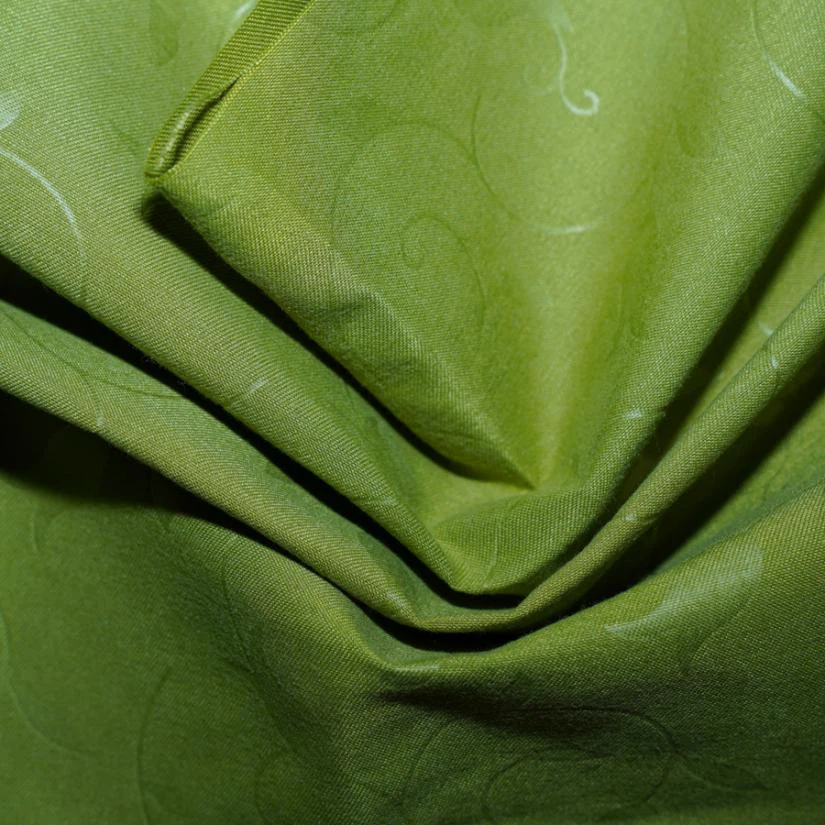
As a supplier of Micro Print Fabric, I've witnessed firsthand how the print clarity of this fabric significantly impacts its overall appearance. In this blog, I'll delve into the various aspects of how print clarity affects the visual appeal of Micro Print Fabric, drawing on my experiences in the industry.
The Basics of Micro Print Fabric
Micro Print Fabric is a specialized type of fabric that features intricate and detailed prints. These prints can range from delicate patterns to complex designs, often with a high level of precision. The fabric is used in a wide variety of applications, including fashion, home decor, and industrial uses. The quality of the print clarity is crucial in determining the fabric's suitability for different purposes.
Impact on Visual Appeal
Sharpness and Detail
One of the most obvious ways print clarity affects the appearance of Micro Print Fabric is through sharpness and detail. When the print is clear, every line, curve, and color gradient is well - defined. This sharpness gives the fabric a high - end and professional look. For example, in a fashion garment made from Micro Print Fabric, a clear print of a floral pattern can make the flowers look realistic and vibrant. Each petal and stamen is distinguishable, creating a visually stunning effect. On the other hand, a fabric with poor print clarity may have blurry edges and smudged colors, making the pattern look unappealing and amateurish.
Color Accuracy
Print clarity also plays a vital role in color accuracy. A clear print ensures that the colors on the fabric match the intended design precisely. In high - quality Micro Print Fabric, the colors are vivid, true - to - life, and well - saturated. This is especially important in applications where color coordination is key, such as in home decor fabrics. For instance, if you're using a Micro Print Fabric for curtains, accurate colors can enhance the overall aesthetic of the room. A fabric with poor print clarity may have faded or distorted colors, which can disrupt the visual harmony of the space.
Pattern Integrity
The integrity of the pattern is another aspect affected by print clarity. A clear print maintains the original design's integrity, whether it's a geometric pattern, a scenic print, or an abstract design. The pattern remains consistent across the fabric, without any irregularities or breaks. This is essential for creating a cohesive look in any project. For example, in a tablecloth made from Micro Print Fabric, a clear and consistent pattern gives the table a polished and elegant appearance. In contrast, a fabric with low print clarity may have parts of the pattern that are missing or misaligned, making the tablecloth look unkempt.
Influence on Different Applications
Fashion Industry
In the fashion industry, print clarity can make or break a garment. Designers often choose Micro Print Fabric for its ability to showcase intricate designs. A clear print on a dress can enhance the wearer's silhouette and make the garment stand out on the runway or in a retail store. For example, a printed evening gown with a clear floral or geometric pattern can create a dramatic and eye - catching look. On the other hand, a poorly printed fabric may not attract customers, as it fails to convey the designer's vision effectively.
Home Decor
In home decor, Micro Print Fabric is used for various items such as upholstery, curtains, and throw pillows. Print clarity is crucial for creating a harmonious and inviting atmosphere in a room. A clear print on an upholstered chair can add a touch of sophistication to the living room. Similarly, curtains with a well - printed pattern can enhance the natural light in a room and create a focal point. Printed Woven Fabric is a popular choice in home decor, and its print clarity can significantly impact the overall look of the space.
Industrial Applications
Even in industrial applications, print clarity matters. For example, in the production of Printed Waterproof Fabric, a clear print can be used for branding or safety markings. A clear and legible print ensures that the information on the fabric is easily readable. This is important for products such as outdoor equipment covers or workwear, where clear markings can enhance safety and functionality.


Factors Affecting Print Clarity
Printing Technology
The printing technology used plays a significant role in print clarity. Advanced digital printing technologies, such as high - resolution inkjet printing, can produce extremely clear and detailed prints. These technologies allow for precise control over the ink deposition, resulting in sharp edges and accurate colors. In contrast, older printing methods may have limitations in terms of resolution and color accuracy, leading to lower print clarity.
Fabric Quality
The quality of the fabric itself also affects print clarity. A smooth and tightly woven fabric provides a better surface for printing, allowing the ink to adhere evenly and creating a clearer print. Fabrics with a rough or uneven texture may cause the ink to spread unevenly, resulting in a blurry or inconsistent print. Additionally, the fabric's absorbency can impact the print quality. A fabric that absorbs too much ink may have a washed - out appearance, while a fabric that doesn't absorb enough ink may have a dry and patchy print.
Ink Quality
The quality of the ink used in the printing process is another crucial factor. High - quality inks are formulated to provide vibrant colors, good adhesion, and long - lasting durability. They are less likely to fade or smudge over time, ensuring that the print remains clear and sharp. Low - quality inks, on the other hand, may not produce the desired color accuracy or may degrade quickly, leading to a loss of print clarity.
Maintaining Print Clarity
Proper Storage
Proper storage of Micro Print Fabric is essential for maintaining print clarity. The fabric should be stored in a cool, dry place away from direct sunlight. Sunlight can cause the colors in the print to fade over time, reducing the print clarity. Additionally, storing the fabric in a clean environment can prevent dirt and dust from accumulating on the surface, which could potentially damage the print.
Care Instructions
Providing clear care instructions to customers is crucial. For example, washing the fabric in cold water with a gentle detergent can help preserve the print. Avoiding harsh chemicals and abrasive cleaning methods can prevent the ink from fading or smudging. Following these care instructions can ensure that the fabric retains its print clarity for a longer period.
Conclusion
In conclusion, the print clarity of Micro Print Fabric has a profound impact on its appearance. From sharpness and detail to color accuracy and pattern integrity, print clarity affects how the fabric looks in various applications, including fashion, home decor, and industrial uses. As a supplier, I understand the importance of providing high - quality Micro Print Fabric with excellent print clarity. By using advanced printing technologies, high - quality fabrics and inks, and ensuring proper storage and care, we can offer fabrics that meet the highest standards of visual appeal.
If you're interested in purchasing Micro Print Fabric for your project, I invite you to contact me for more information and to discuss your specific requirements. Whether you need Printed Woven Fabric, Natural Printing On Fabric, or Printed Waterproof Fabric, I'm here to assist you in finding the perfect fabric with the best print clarity.
References
- "Textile Printing Technology" by John Smith, published by Textile Press.
- "Fashion Fabric Selection Guide" by Jane Doe, published by Fashion Industry Publications.
- "Home Decor Fabrics: Trends and Applications" by Mark Johnson, published by Interior Design Books.