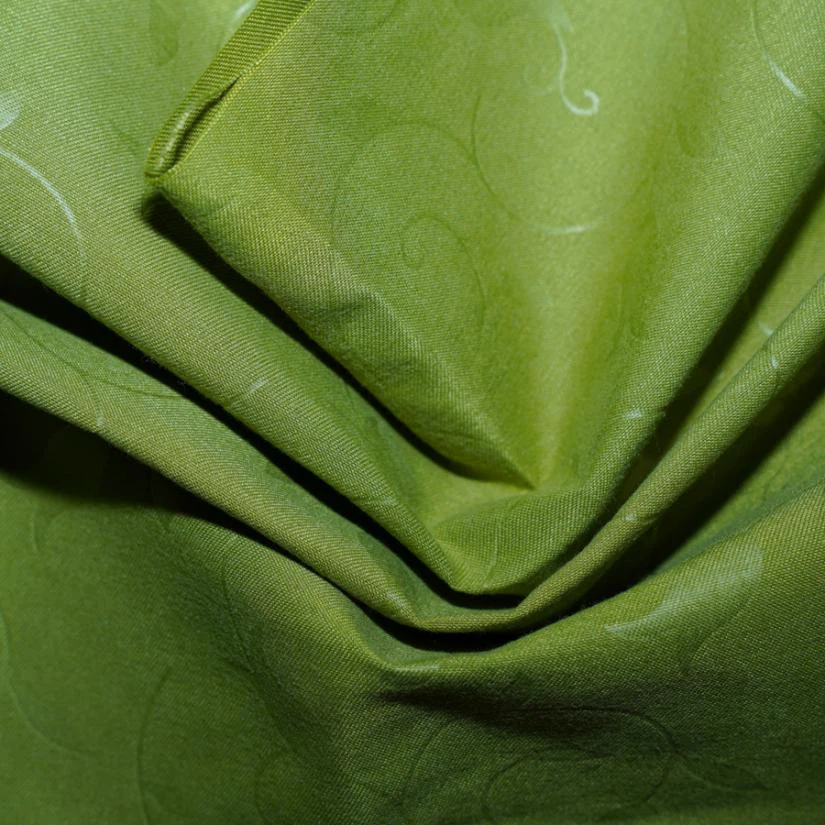
Bleaching fabric is a common practice in the textile industry, used to achieve a variety of aesthetic and functional goals. As a bleached fabric supplier, I've witnessed firsthand how this process can transform the appearance and feel of different types of fabrics. In this blog post, I'll delve into how bleaching fabric affects its texture, exploring the science behind the process and the practical implications for various applications.
The Science of Bleaching
Bleaching is a chemical process that involves the use of oxidizing agents to remove or reduce the color of a fabric. The most common bleaching agents are hydrogen peroxide and sodium hypochlorite. These agents work by breaking down the chromophores, which are the chemical groups in the fabric that absorb light and give it color. When the chromophores are broken down, the fabric becomes lighter in color.
However, the bleaching process doesn't just affect the color of the fabric; it also has an impact on its texture. The oxidizing agents used in bleaching can break down the fibers in the fabric, altering their structure and properties. This can lead to changes in the fabric's softness, smoothness, and durability.
Effects on Softness
One of the most noticeable effects of bleaching on fabric texture is its impact on softness. In some cases, bleaching can make a fabric softer. This is because the bleaching process can remove impurities and natural oils from the fabric, leaving it feeling smoother and more supple. For example, when cotton fabric is bleached, it often becomes softer and more comfortable to wear.
On the other hand, over - bleaching can have the opposite effect. Excessive exposure to bleaching agents can damage the fibers in the fabric, causing them to become brittle and rough. This can result in a fabric that feels harsh and scratchy against the skin. As a bleached fabric supplier, I always recommend using the appropriate bleaching method and concentration to achieve the desired level of softness without compromising the fabric's integrity.
Impact on Smoothness
Bleaching can also affect the smoothness of a fabric. During the bleaching process, the surface of the fabric fibers can be altered. If the bleaching is done correctly, it can remove any rough or uneven parts of the fibers, resulting in a smoother fabric surface. This is particularly important for fabrics used in applications where a smooth finish is desired, such as Polyester Bleached Fabric.
However, improper bleaching can lead to a fabric with a pitted or uneven surface. This can occur if the bleaching agent is too strong or if the fabric is left in the bleaching solution for too long. The damaged fibers can create a rough texture that is not only unappealing to the touch but can also affect the fabric's performance in certain applications.
Changes in Durability
Durability is another important aspect of fabric texture that can be influenced by bleaching. In general, moderate bleaching can improve the durability of some fabrics. By removing impurities and weakening agents, the fabric becomes more resistant to stains and wear. For example, bleached Bed Linen Fabric may be more durable and easier to clean than unbleached linen.
But, over - bleaching can significantly reduce the fabric's durability. The breakdown of fibers due to excessive bleaching can make the fabric more prone to tearing, fraying, and general wear and tear. This is a concern for applications where the fabric needs to withstand regular use and washing, such as Polyester Sheet Fabric.
Different Fabrics and Their Responses to Bleaching
The effect of bleaching on fabric texture can vary depending on the type of fabric. Here are some common fabrics and how they are affected:
Cotton
Cotton is one of the most commonly bleached fabrics. When bleached properly, cotton becomes softer and more absorbent. The bleaching process can remove the natural waxes and impurities from the cotton fibers, allowing them to absorb more moisture. This makes bleached cotton a popular choice for clothing, towels, and bedding. However, over - bleaching can cause the cotton fibers to weaken and break, reducing the fabric's strength and durability.


Polyester
Polyester is a synthetic fabric that is generally more resistant to bleaching than natural fibers. Bleaching polyester can enhance its color brightness and give it a smoother appearance. However, if the bleaching process is too aggressive, it can damage the polyester fibers, leading to a loss of elasticity and a change in texture.
Linen
Linen is made from the fibers of the flax plant. Bleaching linen can make it whiter and more uniform in color. It can also improve the fabric's softness and drape. But like other fabrics, over - bleaching can cause linen to become brittle and less durable.
Practical Considerations for Bleached Fabric Applications
When using bleached fabric in different applications, it's important to consider the texture changes caused by bleaching. For example, in the fashion industry, the softness and smoothness of the fabric are crucial for creating comfortable and appealing clothing. Designers need to choose the right level of bleaching to ensure that the fabric retains its desired texture while achieving the desired color.
In the home textile industry, durability is often a key factor. Bed Linen Fabric and Polyester Sheet Fabric need to be able to withstand regular washing and use. Therefore, the bleaching process should be carefully controlled to maintain the fabric's strength and texture.
Quality Control in Bleaching
As a bleached fabric supplier, quality control is of utmost importance. We have strict procedures in place to ensure that the bleaching process is carried out correctly. This includes testing the fabric before and after bleaching to monitor changes in texture, color, and strength. We also use advanced technology and equipment to control the bleaching parameters, such as temperature, time, and concentration of the bleaching agent.
Conclusion
In conclusion, bleaching fabric has a significant impact on its texture. It can make the fabric softer, smoother, and more durable when done correctly, but over - bleaching can lead to negative effects such as roughness, brittleness, and reduced strength. As a bleached fabric supplier, I understand the importance of finding the right balance between achieving the desired color and maintaining the fabric's texture.
If you're in the market for high - quality bleached fabric, whether it's Polyester Bleached Fabric, Bed Linen Fabric, or Polyester Sheet Fabric, I encourage you to reach out for a discussion. We can provide you with samples and detailed information about our products to help you make an informed decision. Let's work together to find the perfect bleached fabric solution for your needs.
References
- Textile Chemistry and Technology: Fundamentals of Fiber Structure and Properties, by W. E. Morton and J. W. S. Hearle
- Handbook of Textile Fibre Structure, Volume 1: Natural Fibres, edited by R. H. Blackburn
- The Chemistry of Textiles, by P. A. Crews