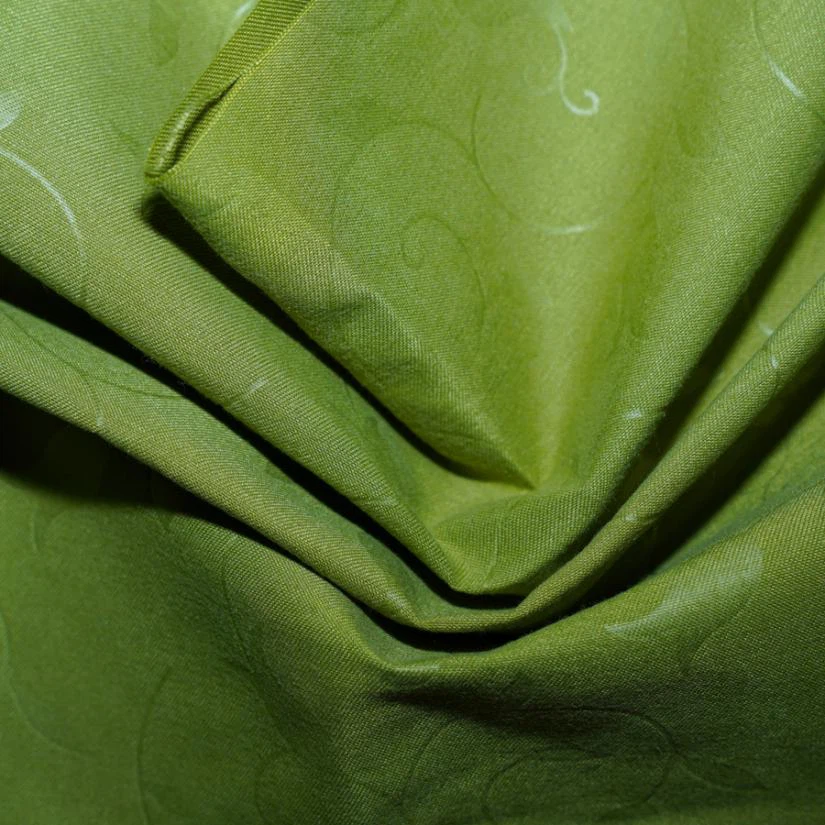
As a supplier of Polyester Seersucker, I've encountered numerous challenges and queries from customers over the years. One of the most common issues that both novice crafters and experienced manufacturers face is the problem of fraying when cutting polyester seersucker. In this blog, I'll share some effective strategies to prevent fraying and ensure a clean, professional finish for your projects.
Understanding Polyester Seersucker
Before delving into the prevention methods, it's essential to understand the nature of polyester seersucker. Polyester seersucker is a lightweight, puckered fabric known for its distinctive texture and durability. It's commonly used in a variety of applications, including clothing, bedding, and home decor. You can explore our range of Polyester Seersucker on our website.
The fraying issue in polyester seersucker occurs because the fabric's threads are not tightly woven, making them prone to coming loose when cut. This can lead to uneven edges, unraveling, and a less polished appearance. However, with the right techniques, you can minimize fraying and achieve excellent results.


Choosing the Right Tools
The first step in preventing fraying is to use the proper tools for cutting polyester seersucker. A sharp pair of fabric scissors is essential. Dull scissors can crush the fabric fibers instead of cleanly cutting through them, increasing the likelihood of fraying. Invest in high-quality fabric scissors and keep them sharp by using a scissor sharpener regularly.
In addition to scissors, rotary cutters can also be a great option for cutting polyester seersucker. Rotary cutters provide a clean, precise cut and are especially useful for cutting large pieces of fabric. Make sure to use a sharp blade and a self-healing cutting mat to protect your work surface.
Pre-Treating the Fabric
Pre-treating the fabric before cutting can help reduce fraying. One effective method is to apply a fabric stabilizer or fray check to the edges of the fabric. These products work by bonding the fabric fibers together, preventing them from unraveling. Simply apply the stabilizer or fray check to the cut edges of the fabric and allow it to dry completely before proceeding with your project.
Another pre-treatment option is to use a heat sealant. Heat sealants work by melting the fabric fibers at the edges, creating a sealed edge that resists fraying. You can use a heat gun or a soldering iron to apply the heat sealant. However, be careful not to overheat the fabric, as this can damage the polyester fibers.
Cutting Techniques
The way you cut the fabric can also have a significant impact on fraying. When cutting polyester seersucker, it's important to cut slowly and steadily, using a smooth, even motion. Avoid pulling or stretching the fabric while cutting, as this can cause the fibers to become loose and increase fraying.
If possible, cut the fabric on a flat, stable surface to ensure a straight, clean cut. You can use a ruler or a cutting guide to help you make straight cuts. Additionally, try to cut the fabric in one continuous motion rather than making multiple cuts, as this can reduce the risk of fraying.
Sealing the Edges
Once you've cut the fabric, it's important to seal the edges to prevent fraying. There are several methods you can use to seal the edges of polyester seersucker.
Sewing
Sewing is one of the most common methods of sealing the edges of fabric. You can use a straight stitch, a zigzag stitch, or a serger to sew the edges of the fabric. A straight stitch is a simple and effective way to seal the edges, but it may not be as durable as a zigzag stitch or a serger. A zigzag stitch is more flexible and can stretch with the fabric, making it a good choice for projects that require some movement. A serger is a specialized sewing machine that cuts and seals the edges of the fabric simultaneously, providing a professional-looking finish.
Binding
Binding is another option for sealing the edges of polyester seersucker. Binding involves wrapping a narrow strip of fabric around the edges of the fabric and sewing it in place. You can use a pre-made binding tape or make your own binding from the same fabric or a coordinating fabric. Binding adds a decorative touch to your project and helps prevent fraying.
Fusing
Fusing is a technique that involves using a heat-activated adhesive to bond the edges of the fabric together. You can use a fusible interfacing or a fusible web to fuse the edges of the fabric. Fusing is a quick and easy way to seal the edges, but it may not be as durable as sewing or binding.
Storing the Fabric Properly
Proper storage of the fabric can also help prevent fraying. When storing polyester seersucker, make sure to fold it neatly and store it in a cool, dry place. Avoid storing the fabric in direct sunlight or in a humid environment, as this can damage the fabric fibers and increase fraying.
If you're storing the fabric for an extended period of time, you may want to consider wrapping it in acid-free tissue paper or storing it in a fabric storage container. This will help protect the fabric from dust, dirt, and moisture.
Applications of Polyester Seersucker
Polyester seersucker is a versatile fabric that can be used in a variety of applications. Some common uses for polyester seersucker include:
Clothing
Polyester seersucker is a popular choice for clothing, especially in the summer months. It's lightweight, breathable, and has a cool, comfortable feel. You can use polyester seersucker to make shirts, dresses, shorts, and skirts. Check out our Seersucker Dyed Fabric for a wide range of color options.
Bedding
Polyester seersucker is also a great choice for bedding. It's soft, comfortable, and has a luxurious feel. You can use polyester seersucker to make sheets, pillowcases, duvet covers, and bed skirts. Our Seersucker Fabric for Bedding is specifically designed for bedding applications and is available in a variety of colors and patterns.
Home Decor
Polyester seersucker can also be used to add a touch of style to your home decor. You can use it to make curtains, drapes, throw pillows, and tablecloths. Polyester seersucker's distinctive texture and color make it a great choice for adding a pop of color and interest to your home.
Conclusion
Preventing fraying when cutting polyester seersucker requires a combination of the right tools, pre-treatment methods, cutting techniques, and edge-sealing methods. By following the tips and techniques outlined in this blog, you can minimize fraying and achieve a clean, professional finish for your projects.
If you're interested in purchasing high-quality polyester seersucker for your next project, please don't hesitate to contact us. We offer a wide range of polyester seersucker fabrics in various colors, patterns, and weights. Our team of experts is always available to answer your questions and help you choose the right fabric for your needs.
References
- "Fabric Sewing Guide: How to Prevent Fraying." Sewing Machine Guides.
- "Polyester Seersucker: A Comprehensive Guide." Fabric.com.
- "Tips for Cutting and Sewing Polyester Seersucker." Threads Magazine.