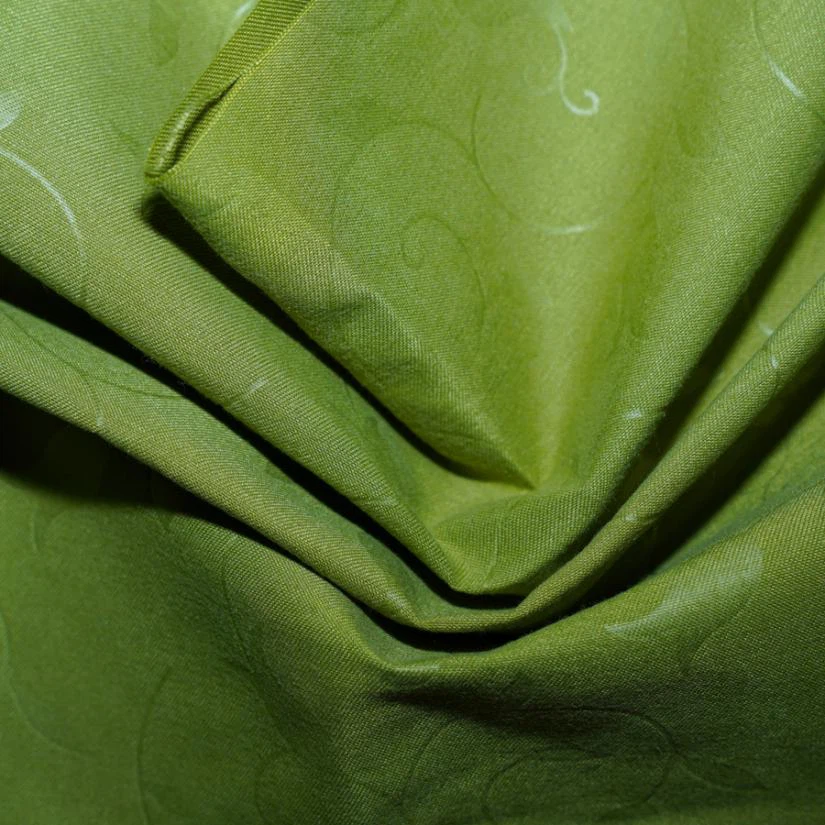
As a supplier of Polyester Seersucker, I've received numerous inquiries from customers about how to enhance the durability of this popular fabric. Polyester seersucker is widely used in various applications, from clothing to bedding, due to its unique puckered texture and lightweight feel. However, ensuring its long - lasting quality is a concern for many. In this blog, I'll share some effective strategies to make polyester seersucker more durable.
Understanding Polyester Seersucker
Before diving into the ways to improve durability, it's essential to understand what polyester seersucker is. Polyester seersucker is a type of fabric made primarily from polyester fibers. The seersucker effect is created through a special weaving process where alternating rows of tight and loose threads are used. This results in a fabric with a distinctive puckered or wrinkled appearance. It is known for its breathability, wrinkle - resistance, and relatively low cost compared to some natural fiber fabrics. You can find more information about Polyester Seersucker on our website.
Selecting High - Quality Polyester Fibers
The first step in making polyester seersucker more durable starts at the raw material level. High - quality polyester fibers are crucial for a long - lasting fabric. When choosing polyester for seersucker production, look for fibers with high tenacity. Tenacity refers to the strength of the fiber, and fibers with higher tenacity can withstand more stress and strain without breaking.
Additionally, consider the denier of the polyester fibers. Denier is a unit of measurement for the linear mass density of fibers. Generally, higher denier fibers are thicker and stronger. However, a balance needs to be struck, as overly thick fibers may affect the drape and feel of the seersucker fabric. By carefully selecting high - quality polyester fibers with appropriate tenacity and denier, you can lay a solid foundation for a durable polyester seersucker fabric.
Optimizing the Weaving Process
The weaving process plays a significant role in the durability of polyester seersucker. A well - woven fabric is less likely to develop loose threads or fraying edges. When weaving polyester seersucker, use a tight and consistent weave pattern. The alternating rows of tight and loose threads should be evenly spaced and firmly interlaced.

Proper tension control during weaving is also essential. If the tension is too loose, the fabric may be prone to stretching and distortion, reducing its durability. On the other hand, excessive tension can cause the fibers to break, leading to weak spots in the fabric. By maintaining optimal tension throughout the weaving process, you can ensure a strong and stable structure for the polyester seersucker.
Applying Durable Finishes
Finishes can significantly enhance the durability of polyester seersucker. One common finish is a resin finish. Resin finishes can improve the fabric's resistance to abrasion, wrinkling, and shrinking. When applied to polyester seersucker, a resin finish can strengthen the fibers and make the fabric more resistant to wear and tear.
Another useful finish is a water - repellent finish. Water - repellent finishes can protect the fabric from moisture damage, which can weaken the fibers over time. They also make the fabric easier to clean, as liquids are less likely to soak into the fabric. By applying appropriate durable finishes, you can extend the lifespan of your polyester seersucker products.
Proper Care and Maintenance
Even the most durable polyester seersucker fabric requires proper care to maintain its quality over time. When it comes to washing, use a gentle cycle with mild detergent. Harsh detergents and high - speed wash cycles can damage the fibers and the seersucker's distinctive texture.
Avoid using bleach, as it can weaken the polyester fibers and cause discoloration. Instead, opt for color - safe stain removers if needed. When drying the fabric, tumble dry on a low heat setting or air dry. High heat can cause the polyester fibers to shrink and lose their shape.
For ironing, use a low - to - medium heat setting. Polyester seersucker can be sensitive to high temperatures, and excessive heat can melt the fibers or flatten the seersucker's puckered texture. By following these care and maintenance tips, you can ensure that your polyester seersucker products remain in good condition for a long time.

Using in Appropriate Applications
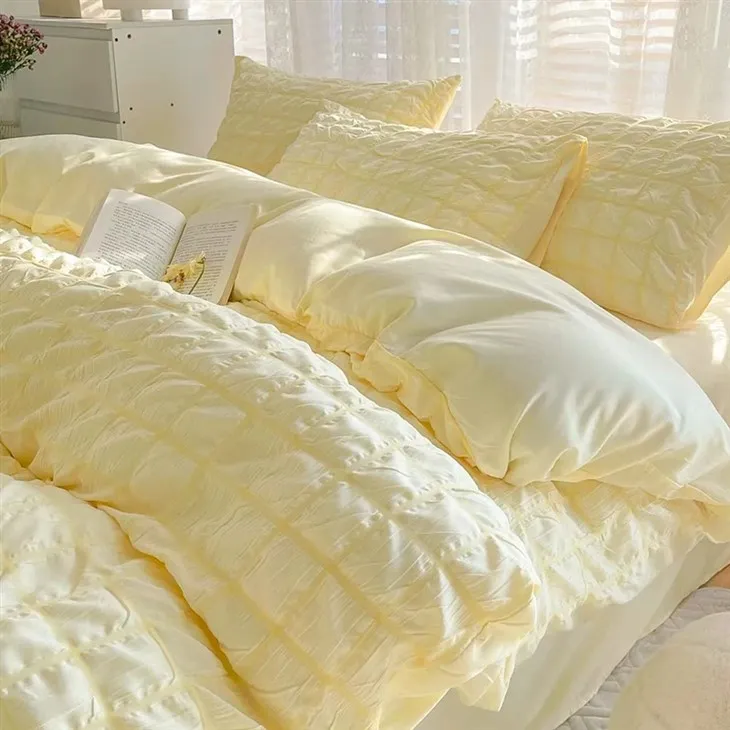
Matching the polyester seersucker to the right application is also important for its durability. For example, Seersucker Fabric for Bedding is subject to different wear and tear compared to seersucker used in clothing. When using polyester seersucker for bedding, it needs to be able to withstand regular washing, friction from body movement, and exposure to various body oils and sweat.
If the fabric is intended for clothing, it should be able to handle stretching, bending, and rubbing during daily activities. By understanding the specific requirements of each application and selecting the appropriate grade and finish of polyester seersucker, you can ensure that the fabric performs well and lasts longer.
Dyeing and Colorfastness
Dyeing is an important aspect of polyester seersucker production, and it can also impact the fabric's durability. When dyeing polyester seersucker, use high - quality dyes that offer good colorfastness. Colorfastness refers to the ability of the fabric to retain its color when exposed to various factors such as washing, sunlight, and friction.
Poor colorfastness can lead to color bleeding, fading, and a generally shabby appearance over time. By choosing dyes that are specifically formulated for polyester fibers and ensuring proper dyeing techniques, you can enhance the fabric's overall durability and aesthetic appeal. You can explore our Seersucker Dyed Fabric options on our website, which are known for their excellent colorfastness.
Quality Control
Implementing strict quality control measures throughout the production process is essential for ensuring the durability of polyester seersucker. Regularly inspect the fabric for any defects, such as loose threads, uneven weaving, or color inconsistencies. Conduct tests for abrasion resistance, colorfastness, and tensile strength to ensure that the fabric meets the required standards.
By catching and addressing any issues early in the production process, you can prevent defective products from reaching the market and ensure that your customers receive high - quality, durable polyester seersucker.
Conclusion
In conclusion, making polyester seersucker more durable involves a combination of factors, from selecting high - quality raw materials and optimizing the weaving process to applying appropriate finishes and ensuring proper care and maintenance. As a supplier of polyester seersucker, we are committed to providing our customers with the highest - quality products. By following the strategies outlined in this blog, you can enjoy the benefits of long - lasting, durable polyester seersucker in your various applications.

If you're interested in purchasing high - quality polyester seersucker for your projects, we'd love to hear from you. Whether you need seersucker for bedding, clothing, or other applications, we have a wide range of options to meet your needs. Contact us to start a procurement discussion and find the perfect polyester seersucker solution for you.
References
- Textile Institute. "Handbook of Textile Fibre Structure". Woodhead Publishing, 2012.
- Horrocks, A. R., & Anand, S. C. "Handbook of Technical Textiles". Woodhead Publishing, 2000.
- Tortora, P. G., & Merkel, J. B. "Fairchild's Dictionary of Textiles". Fairchild Books, 2009.