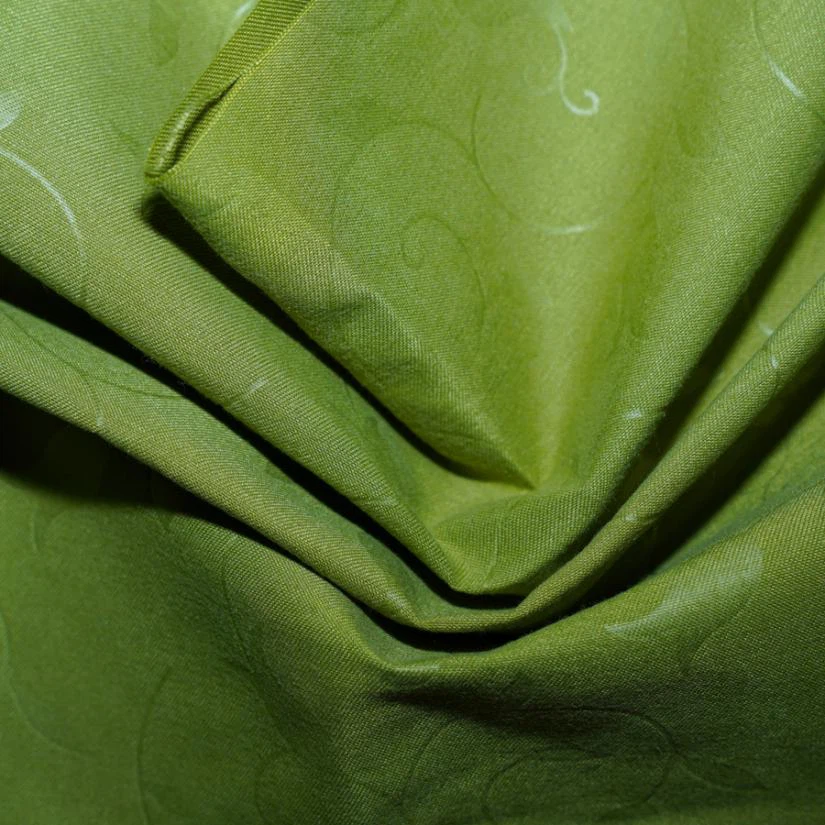
When embarking on a project that involves micro print fabric, the selection process can be both exciting and daunting. As a supplier of micro print fabric, I understand the importance of choosing the right material to ensure the success of your project. In this blog post, I'll share some insights and considerations to help you make an informed decision.
Understanding Micro Print Fabric
Micro print fabric refers to textiles that feature intricate, often small-scale patterns printed on the surface. These prints can range from delicate floral motifs to geometric designs, and they are achieved through advanced printing techniques. The high level of detail in micro prints allows for a sophisticated and refined look, making them suitable for a wide variety of applications, including fashion, home decor, and even technical uses.
Consider Your Project Requirements
The first step in choosing the right micro print fabric is to clearly define your project requirements. Consider the following factors:
End Use
- Fashion: If you're designing clothing, you'll need a fabric that drapes well, has the right amount of stretch, and is comfortable to wear. For example, a micro print silk or cotton blend would be ideal for a summer dress, while a printed stretch denim could work well for jeans.
- Home Decor: When it comes to home decor, durability and colorfastness are key. Micro print fabrics can be used for curtains, upholstery, and throw pillows. A printed waterproof fabric might be a great choice for outdoor cushions, while a printed woven fabric could add a touch of elegance to a living room sofa. Printed Waterproof Fabric Printed Woven Fabric
- Technical Applications: In some cases, micro print fabrics are used for technical purposes, such as in the automotive or aerospace industries. These applications may require specific performance characteristics, such as flame resistance or high tensile strength.
Color and Design
- Color Scheme: Consider the overall color scheme of your project. Choose a micro print fabric that complements the other elements in the design. If you're going for a bold and vibrant look, opt for fabrics with bright colors and bold patterns. For a more subtle and sophisticated look, choose muted tones and delicate prints.
- Pattern Style: The style of the pattern can also have a significant impact on the overall aesthetic of your project. Floral patterns are classic and feminine, while geometric patterns can add a modern and contemporary touch. Abstract prints can be a great way to make a statement and add a unique element to your design.
Fabric Quality
- Fiber Content: The fiber content of the fabric plays a crucial role in its quality and performance. Natural fibers, such as cotton, silk, and wool, are known for their breathability, comfort, and durability. Synthetic fibers, such as polyester and nylon, are often more affordable and offer better resistance to wrinkles and stains.
- Weave and Texture: The weave and texture of the fabric can also affect its appearance and feel. A tight weave, such as a twill or a satin, can give the fabric a smooth and luxurious look, while a loose weave, such as a linen or a gauze, can create a more casual and relaxed feel.
Evaluate the Printing Process
The printing process used to create the micro print fabric can also have an impact on its quality and durability. Here are some common printing methods:
Digital Printing
- Advantages: Digital printing offers high-resolution prints with a wide range of colors and designs. It allows for quick turnaround times and is suitable for small to medium-sized production runs. Digital printing also produces less waste compared to traditional printing methods.
- Disadvantages: Digital printing can be more expensive than other printing methods, especially for large production runs. The prints may also be less durable and more prone to fading over time.
Screen Printing
- Advantages: Screen printing is a traditional printing method that is known for its durability and vibrant colors. It is suitable for large production runs and can produce prints on a variety of fabrics.
- Disadvantages: Screen printing requires the creation of a separate screen for each color in the design, which can be time-consuming and expensive. It also has limitations in terms of the level of detail that can be achieved.
Natural Printing On Fabric
Natural printing on fabric is an eco-friendly alternative to traditional printing methods. It uses natural dyes and pigments derived from plants, fruits, and vegetables to create beautiful and unique prints. Natural Printing On Fabric
Consider the Supplier
Choosing the right supplier is just as important as choosing the right fabric. Here are some factors to consider when evaluating a micro print fabric supplier:
Experience and Reputation
- Industry Experience: Look for a supplier with a proven track record in the micro print fabric industry. An experienced supplier will have the knowledge and expertise to help you choose the right fabric for your project and ensure that it meets your quality standards.
- Customer Reviews: Read customer reviews and testimonials to get an idea of the supplier's reputation. A supplier with positive reviews and a high customer satisfaction rate is more likely to provide excellent service and quality products.
Product Range
- Variety of Fabrics: A good supplier should offer a wide range of micro print fabrics in different colors, patterns, and fabrics. This will give you more options to choose from and allow you to find the perfect fabric for your project.
- Customization Options: If you have specific design requirements, look for a supplier that offers customization options. This could include custom printing, fabric finishing, or color matching.
Quality Control
- Quality Assurance: A reliable supplier should have a strict quality control process in place to ensure that all fabrics meet the highest standards of quality. This could include testing for colorfastness, durability, and print quality.
- Certifications: Look for a supplier that has relevant certifications, such as ISO 9001 or Oeko-Tex Standard 100. These certifications indicate that the supplier is committed to quality and environmental sustainability.
Request Samples
Before making a final decision, it's always a good idea to request samples of the micro print fabric. This will allow you to see and feel the fabric in person and evaluate its quality and suitability for your project. Here's what you should do when requesting samples:


Provide Clear Instructions
- Specify Your Requirements: When requesting samples, be sure to provide clear instructions about the fabric type, color, pattern, and quantity you need. This will help the supplier to send you the most relevant samples.
- Include Your Contact Information: Make sure to include your contact information, such as your name, address, and phone number, so that the supplier can send you the samples.
Evaluate the Samples
- Inspect the Quality: When you receive the samples, carefully inspect them for any defects or imperfections. Check the color, pattern, and fabric quality to ensure that they meet your expectations.
- Test the Performance: If possible, test the performance of the fabric by washing it, stretching it, or rubbing it to see how it holds up. This will give you a better idea of its durability and suitability for your project.
Make an Informed Decision
After evaluating all the factors and considering your options, it's time to make an informed decision. Choose the micro print fabric that best meets your project requirements, budget, and aesthetic preferences. Don't be afraid to ask questions and seek advice from the supplier if you need further assistance.
If you're interested in purchasing micro print fabric for your project, I encourage you to contact us. As a leading supplier of micro print fabric, we offer a wide range of high-quality fabrics in different colors, patterns, and fabrics. Our experienced team is dedicated to providing excellent customer service and helping you find the perfect fabric for your project.
References
- "Textile Printing: Principles and Practice" by R. M. Christie
- "The Handbook of Textile and Apparel Design" by Mary C. Gettings
- "Textile Science" by John H. Tortora and Judith K. Merkel