Does embossed fabric fade easily?
As a supplier of embossed fabric, I often receive inquiries from customers regarding the durability and colorfastness of our products. One of the most frequently asked questions is whether embossed fabric fades easily. In this blog post, I will delve into the factors that affect the fading of embossed fabric and provide some insights to help you make an informed decision when choosing embossed fabric for your projects.
Understanding Embossed Fabric
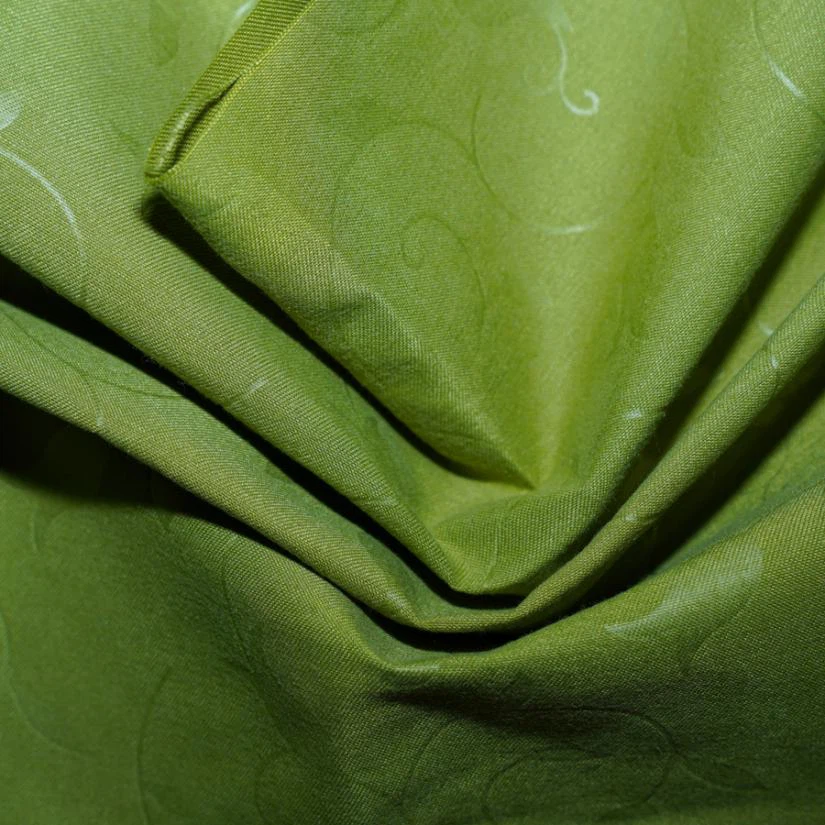
Embossed fabric is a type of textile that has a raised pattern or design on its surface. This effect is achieved through a mechanical process that presses the fabric between engraved rollers, creating a three - dimensional texture. Embossed fabrics can be made from various materials, including polyester, cotton, silk, and blends. Among these, polyester embossed fabrics are particularly popular due to their durability, wrinkle - resistance, and affordability.
There are different types of embossed polyester fabrics available in the market. For instance, 100% Polyester Embossed Fabric offers high strength and resistance to abrasion. Embossed Polyester Fabric combines the benefits of polyester with an attractive embossed pattern, making it suitable for a wide range of applications. Polyester Embossed Microfiber Fabric is known for its softness and fine texture, often used in high - end products.
Factors Affecting Fading
1. Fiber Composition
The type of fiber used in the embossed fabric plays a crucial role in its fading resistance. Polyester fibers, for example, are generally more resistant to fading compared to natural fibers like cotton or silk. Polyester has excellent lightfastness, which means it can withstand prolonged exposure to sunlight without significant color loss. This is because polyester molecules have a relatively stable structure that is less prone to damage from ultraviolet (UV) rays. On the other hand, natural fibers may have a looser molecular structure, making them more vulnerable to the effects of UV radiation and chemical agents.
2. Dyeing Process
The quality of the dyeing process also affects the fading of embossed fabric. High - quality dyes are formulated to adhere well to the fibers and resist fading over time. Professional dyeing techniques, such as using reactive dyes or disperse dyes (in the case of polyester), can ensure better color penetration and fixation. In contrast, low - quality dyes may not bond properly with the fibers, leading to color bleeding and fading even after a few washes or short - term exposure to sunlight.
3. Exposure to Sunlight
Sunlight is one of the primary factors that cause fabric fading. UV rays in sunlight can break down the chemical bonds in the dyes, leading to color changes. The intensity and duration of sunlight exposure are important. Fabrics that are constantly exposed to direct sunlight, such as outdoor upholstery or curtains in a south - facing room, are more likely to fade than those in shaded areas. However, as mentioned earlier, polyester embossed fabrics have better resistance to UV - induced fading compared to many other fabrics.
4. Washing and Cleaning
Frequent washing and improper cleaning methods can also contribute to fabric fading. Harsh detergents, high - temperature washes, and abrasive scrubbing can damage the dye molecules and cause the color to fade. For embossed fabric, it is recommended to follow the care instructions provided. Generally, using mild detergents, washing in cold or lukewarm water, and avoiding excessive agitation can help preserve the color of the fabric.


How to Minimize Fading
1. Choose High - Quality Fabric
As a supplier, I always recommend choosing high - quality embossed fabric. Look for fabrics that are made from high - grade fibers and dyed using professional techniques. High - quality fabrics are more likely to have better fading resistance and overall durability.
2. Limit Sunlight Exposure
If possible, limit the exposure of embossed fabric to direct sunlight. You can use curtains or blinds to block the sunlight during the peak hours of the day. For outdoor applications, consider using fabrics with additional UV protection or applying a UV - resistant coating.
3. Follow Proper Care Instructions
When it comes to washing and cleaning, follow the care instructions provided with the fabric. Use mild detergents and avoid using bleach or harsh chemicals. Wash the fabric in cold or lukewarm water and tumble dry on a low setting if necessary.
Conclusion
In general, embossed fabric does not fade easily, especially if it is made from polyester and dyed using high - quality dyes. However, various factors such as fiber composition, dyeing process, sunlight exposure, and washing methods can affect its fading resistance. By choosing the right fabric, minimizing sunlight exposure, and following proper care instructions, you can ensure that your embossed fabric retains its color and beauty for a long time.
If you are interested in purchasing embossed fabric for your project, whether it's for home decor, fashion, or industrial applications, feel free to contact us. We offer a wide range of high - quality embossed fabrics with excellent fading resistance. Our team is ready to assist you in finding the perfect fabric that meets your specific needs and requirements.
References
- Textile Institute. Handbook of Textile Fibre Structure. Woodhead Publishing, 2013.
- Lewis, D. M. "Dyeing of Textiles." CRC Press, 2016.
- ASTM International. Standard Test Methods for Colorfastness of Textiles. ASTM, 2020.