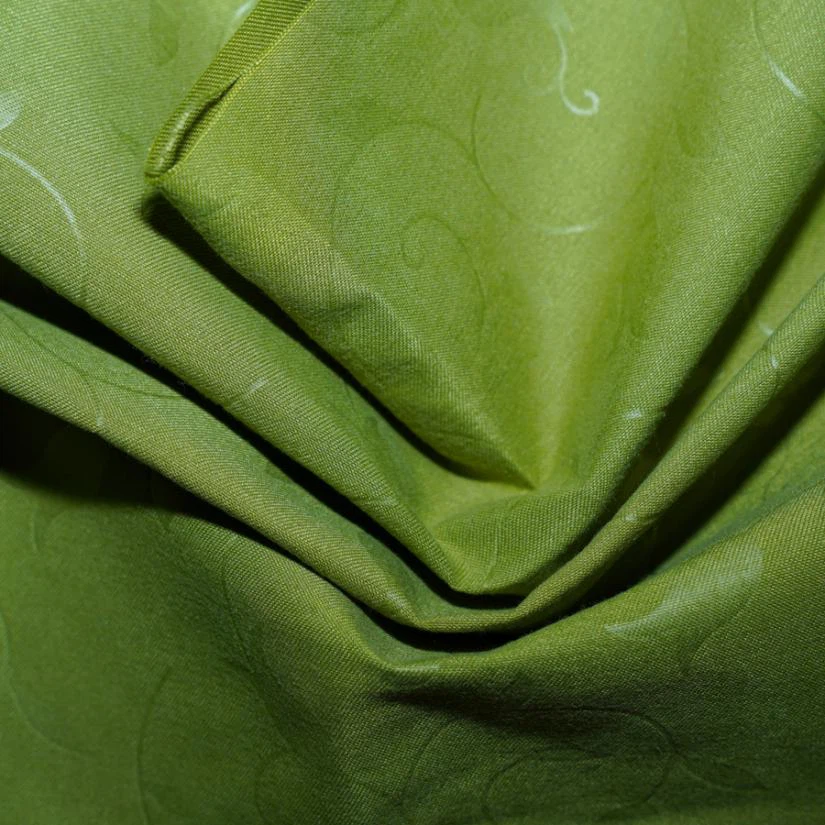
As a supplier of disperse printed fabric, I often get asked the question: "Does disperse printed fabric fade easily?" This is a crucial concern for many customers, whether they are fashion designers, home decorators, or manufacturers. In this blog, I'll delve into the factors that affect the fading of disperse printed fabric, and offer insights to help you understand how to maintain the vibrancy of these fabrics over time.


Understanding Disperse Printed Fabric
Disperse printed fabric is a popular choice in the textile industry due to its ability to produce vivid, detailed prints on synthetic fibers such as polyester. The disperse printing process involves using disperse dyes, which are specially formulated to bond with synthetic fibers. These dyes are insoluble in water but can be dispersed in a fine suspension. When heat is applied during the printing or fixation process, the dyes are vaporized and penetrate the fiber, creating a permanent bond.
One of the key advantages of disperse printed fabric is its excellent color fastness compared to other printing methods on synthetic materials. However, like any printed fabric, it is not completely immune to fading. Several factors can influence how quickly a disperse printed fabric may fade.
Factors Affecting Fading of Disperse Printed Fabric
Quality of Dyes
The quality of the disperse dyes used in the printing process plays a significant role in determining the fabric's resistance to fading. High - quality dyes are formulated to have better lightfastness and washfastness. Cheaper dyes may not form as strong a bond with the fibers, making them more likely to fade over time. As a responsible supplier, we always source the best - quality disperse dyes to ensure our Printed Woven Fabric maintains its color vibrancy.
Exposure to Light
Sunlight is one of the main culprits when it comes to fabric fading. Ultraviolet (UV) rays in sunlight can break down the chemical bonds in the dyes, causing them to lose their color. Fabrics that are constantly exposed to direct sunlight, such as outdoor cushions or curtains, are more likely to fade. However, disperse printed fabrics generally have better lightfastness than some other types of printed fabrics. To minimize fading from sunlight, it is advisable to use curtains or blinds to block direct sunlight, especially during the peak hours of the day.
Washing and Care
Improper washing and care can also lead to fading of disperse printed fabric. Harsh detergents, high - temperature washes, and excessive agitation can all damage the dye - fiber bond. It is recommended to use a mild detergent and wash the fabric in cold or lukewarm water. Avoid using bleach or fabric softeners that contain harsh chemicals, as these can cause the dyes to fade or bleed. Additionally, gentle washing cycles and air - drying instead of using a dryer at high heat can help preserve the fabric's color.
Environmental Conditions
The environment in which the fabric is stored or used can impact its fading rate. High humidity levels can cause the dyes to break down more quickly, especially if the fabric is not properly ventilated. In areas with high pollution levels, the chemicals in the air can also react with the dyes and cause fading.
How Our Disperse Printed Fabrics Stand Up to Fading
At our company, we take several steps to ensure that our disperse printed fabrics have excellent colorfastness. We use high - quality dyes that are tested for lightfastness and washfastness. Our Micro Print Fabric and Natural Printing On Fabric collections are printed using state - of - the - art technology that ensures even distribution of the dyes and a strong bond with the fibers.
We also conduct rigorous quality control tests on our fabrics. Samples are exposed to simulated sunlight, washed multiple times, and tested for color change. Only fabrics that meet our strict quality standards are released to the market.
Tips for Maintaining the Color of Disperse Printed Fabric
- Proper Storage: Store the fabric in a cool, dry place away from direct sunlight. If possible, roll the fabric instead of folding it to prevent creases that can cause the dyes to break down.
- Regular Cleaning: Clean the fabric regularly, but follow the recommended washing instructions. This helps remove dirt and pollutants that can accelerate fading.
- Use UV - Protectant Sprays: For outdoor fabrics, consider using a UV - protectant spray. These sprays can provide an additional layer of protection against the sun's UV rays.
Conclusion
In conclusion, disperse printed fabric does not fade easily if it is made with high - quality dyes, printed using proper techniques, and cared for correctly. While it is not completely immune to fading, especially under extreme conditions, the colorfastness of disperse printed fabric is generally better than many other types of printed fabrics.
If you are in the market for disperse printed fabric for your next project, whether it's a fashion collection, home decor items, or industrial applications, we are here to provide you with the highest - quality products. Our team of experts can offer you advice on the best fabric for your specific needs and how to care for it to maintain its color for years to come.
If you have any questions or would like to discuss a potential purchase, please feel free to reach out. We are always happy to assist you in finding the perfect disperse printed fabric for your requirements.
References
- "Textile Coloration and Finishing" by Peter Gregory.
- "The Handbook of Textile and Apparel Design" edited by Helen Storey.
- Industry reports on disperse dye technology and fabric printing.