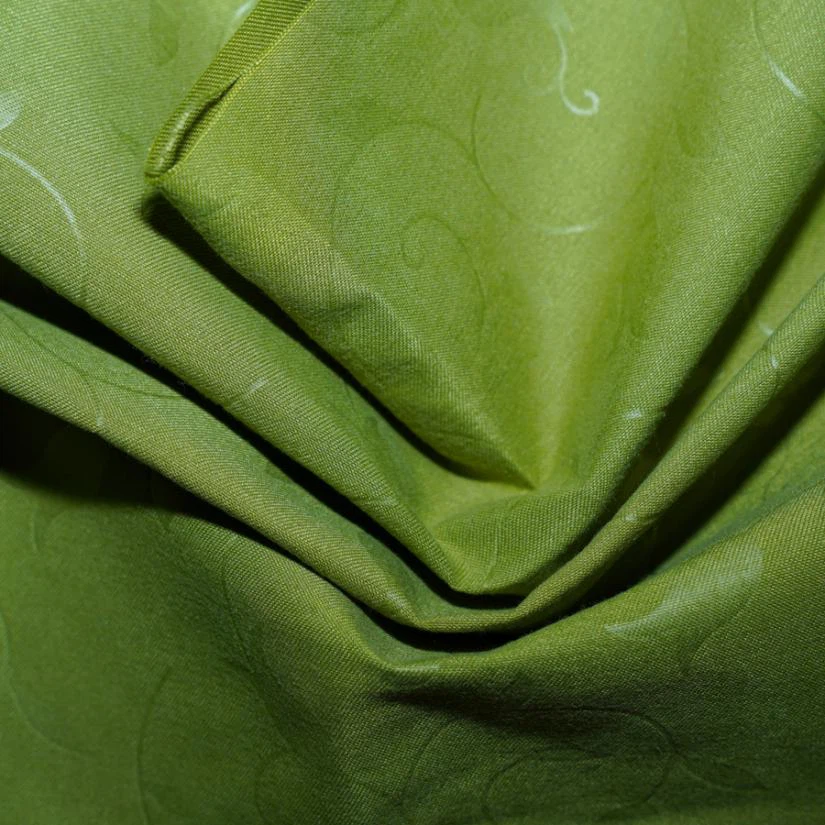
Can seersucker fabric be bleached? This is a question that often arises among those who deal with or use this unique and popular fabric. As a seersucker fabric supplier, I've encountered this query numerous times, and today, I'm going to delve into the topic to provide a comprehensive answer.
Seersucker fabric is well - known for its characteristic puckered or crinkled appearance. It has a long history, originally being made from cotton, and now, different blends and materials like polyester are also used to create it. The fabric is highly favored for its breathability and the casual, summery look it imparts.
Understanding Seersucker Fabric Composition
Before we discuss bleaching, it's crucial to understand the composition of seersucker fabric. As mentioned, traditional seersucker was made entirely of cotton. Cotton seersucker is soft, absorbent, and comfortable against the skin. It's a natural fiber, which means it has different chemical properties compared to synthetic fibers.
On the other hand, modern seersucker fabrics can be made from a variety of materials. For instance, you can find 100% Polyester Seersucker Fabric, which offers durability and is often wrinkle - resistant. There are also blended fabrics that combine cotton with polyester or other fibers to get the best of both worlds, like the softness of cotton and the durability of polyester. And Seersucker Dyed Fabric comes in a wide range of colors, adding to its aesthetic appeal.
Factors Affecting Bleaching of Seersucker Fabric
- Fiber Type
- Cotton Seersucker: Cotton is a natural fiber that can generally tolerate bleaching better than synthetic fibers. However, it's important to note that over - bleaching can weaken the cotton fibers, causing the fabric to become brittle and prone to tearing. When using bleach on cotton seersucker, it's advisable to use a mild bleach solution and follow the proper procedures. For example, you can use a diluted solution of chlorine bleach, typically around 1/4 cup of bleach per gallon of water. But always test a small, inconspicuous area first to check for any adverse reactions such as color fading or fabric damage.
- Polyester Seersucker: Polyester Seersucker is a synthetic fiber. Polyester is not as porous as cotton, and it doesn't absorb bleach in the same way. Chlorine bleach can actually damage polyester fibers, causing them to lose their strength and integrity. It may also cause yellowing or discoloration of the fabric. For polyester seersucker, it's best to avoid using chlorine bleach. Instead, opt for oxygen - based bleaches, which are generally gentler on synthetic fabrics. Oxygen bleach works by releasing oxygen when it comes into contact with water, which helps to break down stains without causing as much damage to the fabric.
- Dye and Finish
- If the seersucker fabric is dyed, the dye used can significantly affect the bleaching process. Some dyes are more resistant to bleach than others. For example, fabrics with reactive dyes are often more color - fast and may be able to withstand mild bleaching better than those with direct dyes. Additionally, if the fabric has any special finishes, such as water - repellent or anti - microbial finishes, bleaching can remove or damage these finishes.
- Fabric Construction
- The unique puckered construction of seersucker fabric can also pose challenges during bleaching. The folds and creases in the fabric may trap bleach, leading to uneven bleaching. This can result in a patchy appearance, where some areas of the fabric are lighter than others. To minimize this, it's important to agitate the fabric gently during the bleaching process to ensure even distribution of the bleach.
Bleaching Methods for Seersucker Fabric
- Chlorine Bleach for Cotton Seersucker
- As mentioned earlier, chlorine bleach can be used on cotton seersucker, but with caution. First, prepare a diluted bleach solution. Fill a sink or a large container with water and add the appropriate amount of bleach. Submerge the seersucker fabric in the solution and gently agitate it for a few minutes. Keep a close eye on the fabric to monitor the bleaching process. Once the desired level of bleaching is achieved, remove the fabric from the bleach solution and rinse it thoroughly with clean water to remove any remaining bleach.
- Oxygen - Based Bleach for Polyester and Blended Seersucker
- Oxygen - based bleaches are a safer option for polyester seersucker and blended fabrics. These bleaches are available in powder or liquid form. Follow the instructions on the product label to prepare the bleach solution. Soak the fabric in the solution for the recommended time, usually around 30 minutes to an hour. After soaking, rinse the fabric well to get rid of the bleach.
Risks Associated with Bleaching Seersucker Fabric
- Color Loss
- One of the most obvious risks of bleaching seersucker fabric is color loss. Even if the fabric is supposed to be lightened, there's a chance that the color may fade unevenly or more than expected. This can be particularly problematic for dyed seersucker fabrics, where the color is an important part of the fabric's aesthetic.
- Fabric Damage
- Bleaching can weaken the fibers of the fabric, especially if done incorrectly or too frequently. This can lead to a shorter lifespan of the fabric, as it becomes more prone to tearing and fraying. The unique puckered texture of seersucker can also be affected, as the weakened fibers may not hold the shape of the folds as well.
- Skin Irritation
- Residual bleach on the fabric can cause skin irritation when the fabric comes into contact with the skin. It's essential to rinse the fabric thoroughly after bleaching to remove all traces of bleach.
Alternatives to Bleaching
If you're hesitant about bleaching your seersucker fabric due to the potential risks, there are several alternatives.
- Stain Removal with Detergents
- For minor stains, using a good quality detergent can often do the trick. Look for detergents that are specifically formulated for delicate fabrics. Soak the stained area in the detergent solution and gently rub the stain with your fingers. Rinse the fabric well after stain removal.
- Natural Cleaning Agents
- You can also use natural cleaning agents like vinegar or lemon juice. Vinegar can help to remove odors and some stains from seersucker fabric. Mix equal parts of vinegar and water and use this solution to spot - clean the fabric. Lemon juice has natural bleaching properties and can be used to lighten small stains. Apply the lemon juice directly to the stain and let it sit in the sun for a while before rinsing.
Conclusion
In conclusion, whether seersucker fabric can be bleached depends on several factors, including the fiber type, dye, finish, and fabric construction. While cotton seersucker can generally tolerate chlorine bleach to some extent, polyester and blended seersucker are better off with oxygen - based bleaches. However, bleaching always comes with risks, such as color loss and fabric damage. It's important to weigh these risks carefully and consider alternatives before deciding to bleach your seersucker fabric.
If you're in the market for high - quality seersucker fabric, we're here to assist you. Our wide range of seersucker fabrics, including 100% Polyester Seersucker Fabric, Seersucker Dyed Fabric, and Polyester Seersucker, can meet your various needs. Feel free to contact us to discuss your requirements and start a procurement negotiation. We're committed to providing you with the best products and services.


References
- Textile Chemistry textbooks for information on fiber properties and bleaching processes.
- Manufacturer guidelines for seersucker fabric care.
- Industry research on fabric bleaching and its effects on different types of fabrics.