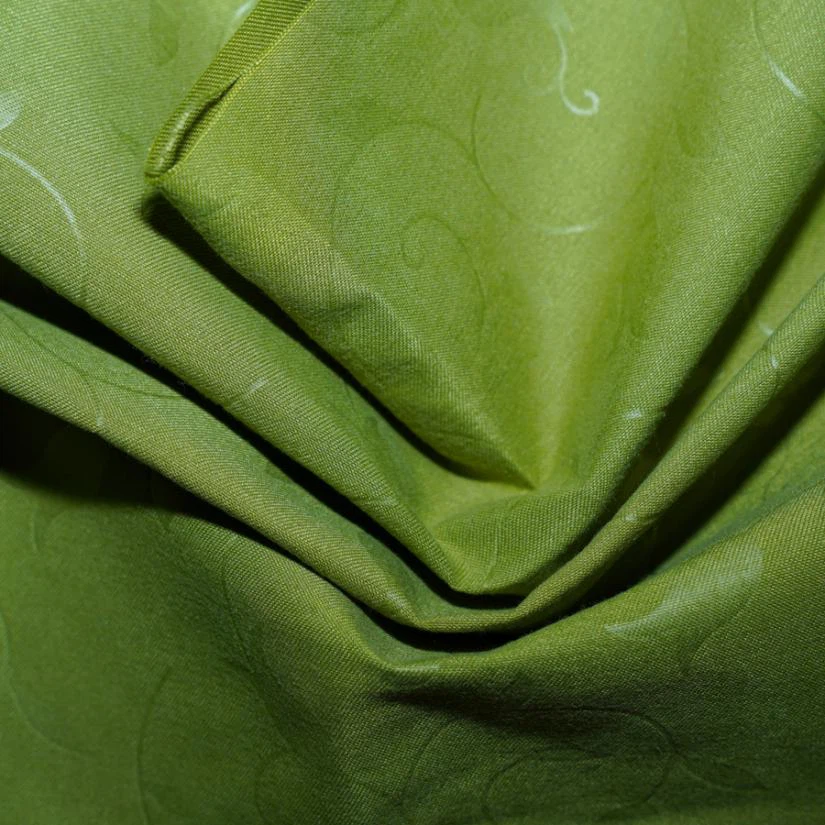
Can seersucker dyed fabric be bleached? This is a question that often pops up among our customers, and as a trusted Seersucker Dyed Fabric supplier, I'm here to provide you with a comprehensive answer.
Understanding Seersucker Dyed Fabric
Seersucker is a lightweight, puckered fabric known for its distinctive texture and breathability. It has been a popular choice for summer clothing, bedding, and various home decor items for centuries. Our seersucker dyed fabric comes in a wide range of colors and patterns, offering a vibrant and stylish option for different applications.
When it comes to seersucker fabric, there are different types available, including natural fiber seersucker (such as cotton seersucker) and synthetic fiber seersucker like Polyester Seersucker. Each type has its own characteristics, which will play a significant role in determining whether it can be bleached.
Factors Affecting Bleaching of Seersucker Dyed Fabric
Fiber Composition
- Cotton Seersucker: Cotton is a natural fiber that is relatively more receptive to bleaching compared to some synthetic fibers. However, the dye used on the fabric can still pose challenges. Most cotton seersucker fabrics are dyed with reactive dyes, which form a chemical bond with the cotton fibers. These dyes are generally more resistant to fading, but strong bleaching agents can still break down the dye molecules and cause color loss.
- Polyester Seersucker: Polyester Seersucker Fabric is made from synthetic polyester fibers. Polyester is inherently resistant to many common bleaching agents, such as chlorine bleach. The dyeing process for polyester often involves disperse dyes, which are designed to have excellent colorfastness. As a result, bleaching polyester seersucker can be extremely difficult and may not achieve the desired results.
Dye Type
- Reactive Dyes: Commonly used on cotton seersucker, reactive dyes bond chemically with the fabric fibers. While they are more durable than some other dye types, they can still be affected by bleaching. The strength of the bond between the dye and the fiber will determine how much the color will fade during the bleaching process.
- Disperse Dyes: Used primarily on polyester seersucker, disperse dyes are designed to have high colorfastness. They are less likely to be removed by bleaching agents, and attempting to bleach a polyester seersucker fabric dyed with disperse dyes may result in little to no color change or even damage to the fabric.
Fabric Construction
The unique puckered texture of seersucker fabric can also impact the bleaching process. The uneven surface may cause the bleaching agent to be distributed unevenly, leading to inconsistent color results. Additionally, the tightness of the weave can affect how the bleach penetrates the fabric. A looser weave may allow the bleach to reach the fibers more easily, while a tighter weave may impede its progress.
Bleaching Methods and Their Suitability
Chlorine Bleach
- Cotton Seersucker: Chlorine bleach is a powerful bleaching agent that can effectively remove stains and lighten the color of cotton seersucker fabric. However, it should be used with caution. Chlorine bleach can weaken the cotton fibers over time, especially if used in high concentrations or for extended periods. It can also cause yellowing or damage to the fabric if not rinsed thoroughly.
- Polyester Seersucker: Chlorine bleach is generally not recommended for polyester seersucker. Polyester is resistant to chlorine bleach, and using it may not achieve the desired bleaching effect. Instead, it can cause the fabric to become brittle and lose its strength.
Oxygen Bleach
- Cotton Seersucker: Oxygen bleach is a milder alternative to chlorine bleach. It is less likely to damage the cotton fibers and can be effective in removing stains and brightening the fabric. Oxygen bleach works by releasing oxygen bubbles that break down the stain molecules. It is also safer to use on colored fabrics, as it is less likely to cause color loss.
- Polyester Seersucker: Oxygen bleach can be used on polyester seersucker, but its effectiveness may be limited. Since polyester is resistant to many bleaching agents, oxygen bleach may not be able to significantly lighten the color of the fabric. However, it can still be used to remove some stains and keep the fabric looking clean.
Testing Before Bleaching
Before attempting to bleach any seersucker dyed fabric, it is crucial to conduct a small test on an inconspicuous area of the fabric. This will help you determine how the fabric will react to the bleaching agent and whether it is safe to proceed with the full bleaching process.


To perform a test, follow these steps:
- Dilute the bleaching agent according to the manufacturer's instructions.
- Apply a small amount of the diluted bleach to an inconspicuous area of the fabric, such as the inside seam or a corner.
- Wait for the recommended time (usually a few minutes) and then rinse the area thoroughly with water.
- Check the fabric for any signs of damage, such as color loss, weakening of the fibers, or changes in texture.
If the test area shows no signs of damage and the desired bleaching effect is achieved, you can proceed with bleaching the entire fabric. However, if there are any negative effects, it is best to avoid bleaching the fabric or try a different method.
Applications of Seersucker Dyed Fabric and Bleaching Considerations
- Summer Clothing: Seersucker dyed fabric is a popular choice for summer clothing, such as shirts, dresses, and shorts. While bleaching may seem like a way to refresh the color or remove stains, it can also affect the fit and appearance of the clothing. The puckered texture of seersucker can be altered by bleaching, and the fabric may shrink or lose its shape. Therefore, it is important to consider the potential risks before bleaching seersucker clothing.
- Seersucker Fabric for Bedding: Seersucker fabric is also commonly used for bedding, including sheets, pillowcases, and duvet covers. Bleaching can be a way to keep the bedding looking clean and fresh, but it is important to follow the manufacturer's instructions and test the fabric first. Over-bleaching can cause the fabric to become thin and weak, reducing its lifespan.
Conclusion
In conclusion, whether seersucker dyed fabric can be bleached depends on several factors, including the fiber composition, dye type, and fabric construction. While cotton seersucker can generally be bleached with caution, polyester seersucker is more resistant to bleaching and may require different methods or may not be suitable for bleaching at all.
Before attempting to bleach any seersucker dyed fabric, it is essential to conduct a small test and follow the manufacturer's instructions. If you are unsure about the best way to bleach your seersucker fabric, it is always a good idea to consult a professional cleaner or fabric expert.
As a Seersucker Dyed Fabric supplier, we are committed to providing our customers with high-quality products and reliable information. If you have any questions about our seersucker dyed fabric or need advice on bleaching, please feel free to contact us. We look forward to discussing your procurement needs and helping you find the perfect seersucker fabric for your project.
References
- Textile Chemistry and Technology: Dyeing and Chemical Finishing, by Dr. S. V. Kanetkar
- Handbook of Textile and Industrial Dyeing, edited by M. Clark