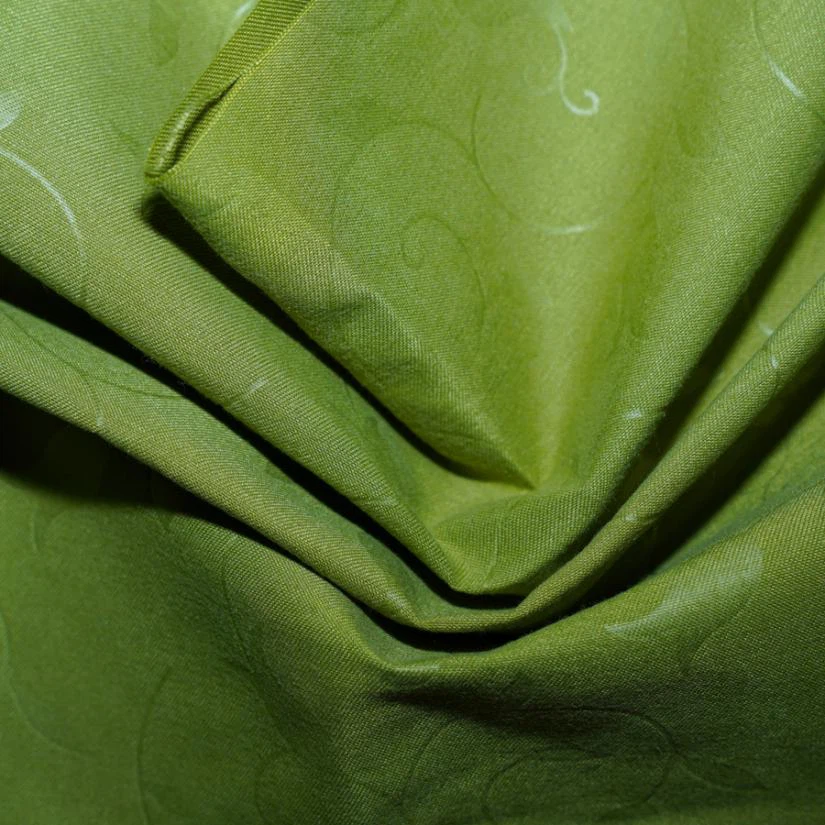
As a supplier in the field of pigment textile printing, I've often been asked whether pigment textile printing can achieve high - resolution prints. This question is not only relevant to the technological capabilities of our industry but also crucial for our customers who seek high - quality printed textiles. In this blog, I'll delve into the factors that influence the resolution of pigment textile prints and explore the possibilities of achieving high - resolution results.
Understanding Pigment Textile Printing
Pigment textile printing is a process where pigments are applied to the surface of the fabric. Unlike dyeing, where the dye penetrates the fibers, pigments sit on top of the fabric and are fixed using a binder. This method offers several advantages, such as color fastness, a wide range of color options, and the ability to print on various types of fabrics.
One of the key aspects of high - resolution printing is the ability to reproduce fine details, sharp edges, and smooth gradients. In pigment textile printing, achieving this level of precision depends on multiple factors, including the printing technology, the quality of pigments and binders, and the characteristics of the fabric itself.
Printing Technologies and Their Impact on Resolution
There are several printing technologies used in pigment textile printing, each with its own capabilities and limitations when it comes to resolution.
Screen Printing
Screen printing is one of the oldest and most widely used methods in textile printing. In screen printing, a stencil is created on a mesh screen, and the pigment is forced through the open areas of the screen onto the fabric. While screen printing can produce vibrant colors and is suitable for large - scale production, its resolution is somewhat limited. The size of the mesh openings and the thickness of the stencil can affect the sharpness of the printed image. Fine details and high - resolution patterns can be challenging to achieve, especially on a large scale. However, with advancements in screen - making technology, such as the use of high - resolution digital stencils, the resolution of screen - printed pigment textiles has improved significantly.
Digital Printing
Digital printing has revolutionized the textile industry in recent years. In digital pigment textile printing, the pigments are applied directly to the fabric using inkjet technology. This method offers several advantages in terms of resolution. Digital printers can produce extremely fine dots, allowing for the reproduction of high - resolution images with sharp edges and smooth gradients. The ability to control the placement of pigments precisely makes digital printing ideal for printing detailed patterns, photos, and complex designs. For example, modern digital printers can achieve resolutions of up to 1440 dpi (dots per inch), which is comparable to high - quality photographic prints.
However, digital printing also has its challenges. The speed of digital printing is generally slower than screen printing, which can be a limitation for large - scale production. Additionally, the cost of digital printing equipment and pigments can be relatively high, making it less accessible for some small - and medium - sized businesses.
Quality of Pigments and Binders
The quality of pigments and binders used in pigment textile printing plays a crucial role in achieving high - resolution prints.
Pigments
High - quality pigments are essential for producing sharp and vibrant prints. Pigments with small particle sizes are preferred as they can be dispersed more evenly in the printing ink, resulting in smoother and more precise prints. Additionally, pigments with good lightfastness and color stability ensure that the printed image retains its quality over time. When choosing pigments, it's important to consider their compatibility with the printing technology and the fabric type. For example, some pigments may work better with digital printing, while others are more suitable for screen printing.
Binders
Binders are used to fix the pigments onto the fabric. The quality of the binder can affect the durability and resolution of the print. A good binder should have excellent adhesion to the fabric and the pigments, ensuring that the print does not crack or peel over time. At the same time, the binder should not interfere with the color or the sharpness of the print. Low - quality binders may cause the pigments to clump together, resulting in a loss of resolution and a less - than - perfect print.


Fabric Characteristics
The type and characteristics of the fabric also have a significant impact on the resolution of pigment textile prints.
Fiber Type
Different fiber types have different surface properties, which can affect the way the pigments are absorbed and fixed onto the fabric. For example, natural fibers such as cotton and silk have porous surfaces that can absorb the pigments more easily, resulting in better color penetration and potentially higher - resolution prints. Synthetic fibers like polyester, on the other hand, have a smoother surface, which can make it more challenging to achieve high - resolution prints. However, with the use of appropriate pre - treatments and binders, it is possible to achieve good results on polyester fabrics. For more information on pigment printing on polyester fabric, you can visit Pigment Printing On Polyester Fabric.
Fabric Texture
The texture of the fabric can also affect the resolution of the print. Smooth fabrics generally allow for better print quality as they provide a more even surface for the pigments to adhere to. Fabrics with a rough or textured surface may cause the pigments to spread unevenly, resulting in a loss of sharpness and detail. For example, printing on a heavily textured fabric like tweed can be more challenging than printing on a flat, smooth cotton fabric.
Achieving High - Resolution Prints in Real - World Applications
In real - world applications, achieving high - resolution pigment textile prints requires a combination of the right technology, high - quality materials, and careful process control.
Case Studies
Let's take a look at some examples of high - resolution pigment textile prints. In the fashion industry, designers are increasingly using digital pigment printing to create detailed and unique patterns on clothing. For instance, a designer may use digital printing to reproduce a high - resolution photo of a landscape or a work of art on a silk dress. The ability to print fine details and smooth gradients allows for the creation of visually stunning garments.
In the home decor industry, high - resolution pigment printing is used to create beautiful printed fabrics for curtains, upholstery, and bedding. For example, 100% Polyester Pigment Printed Fabric can be used to create high - quality bedding with detailed floral patterns or geometric designs. The use of digital printing technology ensures that the patterns are sharp and the colors are vibrant.
The Future of High - Resolution Pigment Textile Printing
The future of high - resolution pigment textile printing looks promising. Advancements in printing technology, such as the development of more efficient digital printers and the improvement of inkjet technology, are likely to further enhance the resolution and quality of printed textiles. Additionally, research into new pigments and binders with better performance characteristics will continue to drive the industry forward.
As a supplier of pigment textile printing, we are committed to staying at the forefront of these technological advancements. We invest in the latest printing equipment and continuously research and develop new pigments and binders to offer our customers the highest - quality printed textiles.
Conclusion
In conclusion, pigment textile printing can achieve high - resolution prints, especially with the use of digital printing technology. While there are challenges associated with factors such as fabric type, pigment quality, and printing technology, these can be overcome with the right approach. Whether you're a fashion designer looking to create unique garments or a home decor manufacturer in need of high - quality printed fabrics, we can provide you with solutions that meet your specific requirements.
If you're interested in learning more about our pigment textile printing services or would like to discuss a potential project, please feel free to contact us. We look forward to working with you to bring your creative ideas to life.
References
- "Textile Printing: Principles, Processes, and Practice" by R. M. Christie
- "Digital Textile Printing: Technology, Design, and Production" by John C. Wiley & Sons