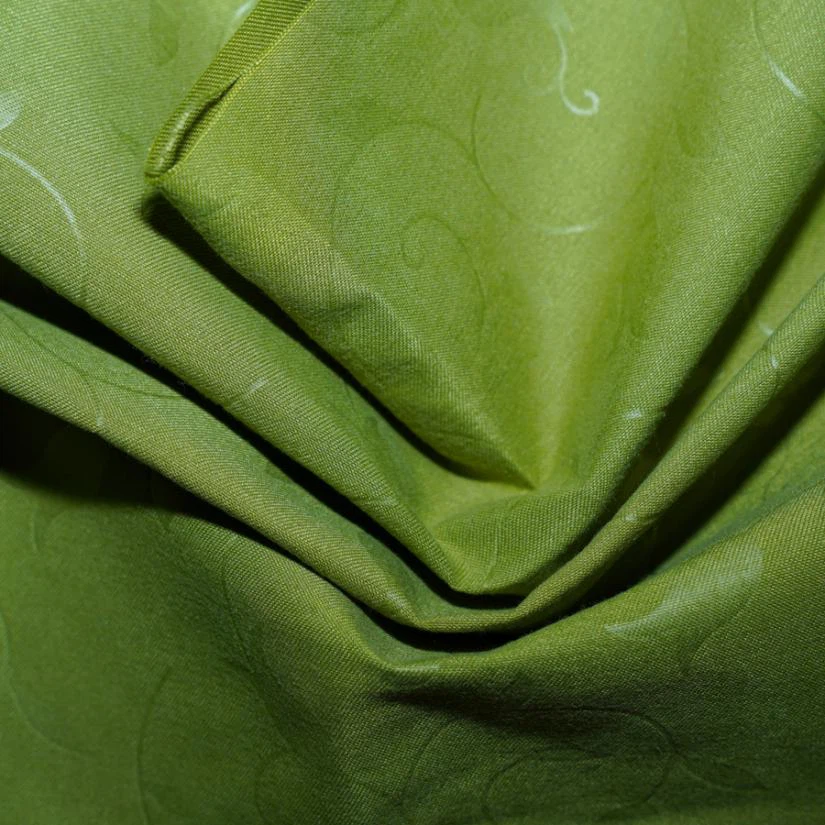
Hey there! As a supplier of bleached fabric, I often get asked this question: "Can I iron bleached fabric?" Well, let's dive right into it and find out.
First off, let's understand what bleached fabric is. Bleaching is a process that uses chemicals to remove color from the fabric, leaving it a lighter shade, usually white. We offer a wide range of bleached fabrics, like Polyester Bleached Fabric, Bleached White Fabric, and Bleached Polyester Bedsheet Fabric. These fabrics have gone through a specific treatment, and that affects how we should handle them, especially when it comes to ironing.
Factors to Consider Before Ironing Bleached Fabric
Fabric Type
The type of fabric plays a huge role. Different fabrics react differently to heat. For example, natural fibers like cotton and linen are more heat - resistant compared to synthetic fibers such as polyester. Cotton bleached fabric can generally tolerate a higher ironing temperature. You can usually set your iron to a medium - high setting without too much worry. But if you're dealing with Polyester Bleached Fabric, you need to be extra careful. Polyester melts at a relatively low temperature, so you should use a low - heat setting on your iron.
Bleaching Process
The way the fabric was bleached also matters. Some bleaching methods are harsher on the fabric than others. If a fabric has been over - bleached, it may be more fragile and more likely to be damaged by heat. Over - bleached fabric might have a weaker fiber structure, and high - heat ironing could cause the fibers to break or melt.
Condition of the Fabric
Check the fabric for any signs of damage before ironing. If there are holes, loose threads, or frayed edges, ironing could make the situation worse. For instance, if you iron over a loose thread, it might get caught in the iron and pull more of the fabric apart.
How to Iron Bleached Fabric Safely
Test a Small Area
Before you start ironing the entire piece of fabric, it's always a good idea to test a small, inconspicuous area. This could be a corner of the fabric that won't be visible when the item is finished. Set your iron to the lowest heat setting and gently press it on the test area for a few seconds. Then check for any signs of damage, such as discoloration, melting, or shrinkage. If everything looks okay, you can gradually increase the heat setting if needed.
Use a Pressing Cloth
A pressing cloth is your best friend when ironing bleached fabric. Place a thin, clean cotton cloth over the bleached fabric before you start ironing. The pressing cloth acts as a barrier between the iron and the fabric, reducing the direct heat exposure. This is especially important for delicate or synthetic bleached fabrics. You can dampen the pressing cloth slightly to add a bit of steam, which can help smooth out the wrinkles without overheating the fabric.
Iron on the Reverse Side
If possible, iron the fabric on the reverse side. This way, the heat from the iron won't directly touch the bleached surface. For example, when ironing a bleached white tablecloth, turn it over and iron from the back. This can prevent any potential damage to the bleached finish and keep the front of the fabric looking pristine.
Adjust the Ironing Temperature
As I mentioned earlier, different fabrics require different ironing temperatures. For cotton bleached fabric, you can start with a medium - high setting if the test area is okay. But for synthetic bleached fabrics like Bleached Polyester Bedsheet Fabric, keep the temperature low. Most modern irons have settings for different fabric types, so make sure to use the appropriate one.
Don't Leave the Iron in One Place for Too Long
Moving the iron continuously is key to preventing overheating and damage to the fabric. If you leave the iron in one spot for too long, it can cause the fabric to burn or discolor. Keep the iron moving in a smooth, even motion across the fabric.


Common Mistakes to Avoid
Using High Heat on Synthetic Fabrics
One of the biggest mistakes people make is using high heat on synthetic bleached fabrics. As I've said, synthetic fibers like polyester can melt easily under high heat. This can ruin the fabric and make it unusable. So, always double - check the fabric type and set your iron accordingly.
Skipping the Test Area
Not testing a small area before ironing is a risky move. You might end up damaging the entire piece of fabric just because you didn't take a few extra seconds to do a test. It's better to be safe than sorry.
Over - Ironing
Sometimes, people think that more ironing means a better result. But over - ironing can actually damage the fabric. Once the wrinkles are gone, stop ironing. Excessive heat and pressure can break down the fibers in the fabric over time, making it weaker and more prone to tearing.
Benefits of Properly Ironed Bleached Fabric
A Neat Appearance
Properly ironed bleached fabric looks great. Whether it's a bleached white shirt, a tablecloth, or a bedsheet, ironing removes wrinkles and gives the fabric a smooth, professional look. This can enhance the overall aesthetic of the item and make it more presentable.
Extended Lifespan
When you iron bleached fabric correctly, you're actually helping to extend its lifespan. By using the right temperature and techniques, you avoid damaging the fabric fibers. This means the fabric will stay in good condition for longer, saving you money in the long run because you won't have to replace it as often.
Conclusion
So, can you iron bleached fabric? The answer is yes, but you need to do it carefully. By considering the fabric type, bleaching process, and following the safe ironing tips I've shared, you can keep your bleached fabrics looking their best.
If you're in the market for high - quality bleached fabric, we've got you covered. We offer a wide selection of Polyester Bleached Fabric, Bleached White Fabric, and Bleached Polyester Bedsheet Fabric. If you have any questions or are interested in making a purchase, feel free to reach out and start a procurement discussion. We're here to help you find the perfect bleached fabric for your needs.
References
- Textile Institute. "Handbook of Textile Fibre Structure."
- Consumer Reports. "Fabric Care Guide."