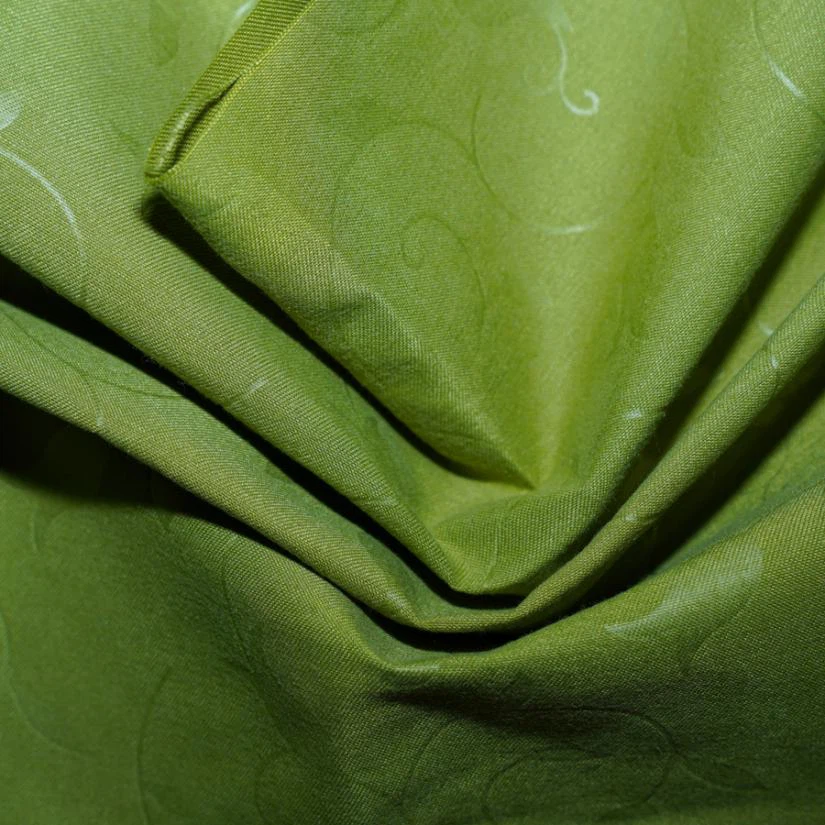
Bleaching fabric is a common practice in the textile industry, often used to achieve a brighter, whiter appearance or to prepare fabric for dyeing. One question that frequently arises is whether it's safe and effective to bleach fabric in hot water. As a bleached fabric supplier, I've encountered this query numerous times, and in this blog post, I'll delve into the science behind fabric bleaching, the effects of hot water, and provide guidance on the best practices.
Understanding Fabric Bleaching
Before we discuss the role of hot water in fabric bleaching, it's essential to understand how bleaching works. Bleaching agents, such as chlorine bleach (sodium hypochlorite) and oxygen bleach (hydrogen peroxide), work by breaking down the chemical bonds in the chromophores (color - bearing molecules) in the fabric. This process effectively removes or reduces the color of the fabric, resulting in a lighter appearance.
Chlorine bleach is a powerful oxidizing agent that can quickly break down a wide range of stains and colors. However, it can also be harsh on fabrics and may cause damage if not used correctly. Oxygen bleach, on the other hand, is generally milder and is often used for more delicate fabrics.
The Role of Temperature in Bleaching
Temperature plays a crucial role in the bleaching process. In general, increasing the temperature of the bleaching solution can speed up the chemical reaction between the bleach and the fabric. This is because higher temperatures provide more energy to the molecules, allowing them to react more quickly.
When using hot water for bleaching, the bleach can penetrate the fabric fibers more rapidly, leading to a faster and more effective bleaching process. This can be particularly beneficial when dealing with stubborn stains or when you need to achieve a high level of whiteness in a short period.
However, using hot water also comes with its risks. High temperatures can cause the fabric to shrink, lose its shape, or become weakened. Additionally, the combination of hot water and bleach can accelerate the breakdown of the fabric fibers, leading to a shorter lifespan for the fabric.
Can I Bleach Fabric in Hot Water?
The answer to this question depends on several factors, including the type of fabric, the type of bleach, and the specific bleaching requirements.
1. Type of Fabric
- Natural Fibers: Fabrics made from natural fibers such as cotton, linen, and silk can generally tolerate hot water bleaching to some extent. Cotton is particularly resistant to heat and bleach, making it a good candidate for hot water bleaching. However, silk is a more delicate fabric and may be damaged by hot water and bleach. It's recommended to test a small, inconspicuous area of the silk fabric first before proceeding with full - scale bleaching.
- Synthetic Fibers: Synthetic fibers like polyester and nylon are generally more heat - resistant than natural fibers. However, some synthetic fabrics may have special finishes or treatments that can be affected by hot water and bleach. For example, Bleached Polyester Bedsheet Fabric can usually withstand hot water bleaching, but it's still important to check the manufacturer's instructions.
2. Type of Bleach
- Chlorine Bleach: Chlorine bleach is a strong oxidizing agent and is often used in hot water for more effective bleaching. However, it can be very harsh on fabrics, especially at high temperatures. It's important to use the correct concentration of chlorine bleach and to follow the safety guidelines.
- Oxygen Bleach: Oxygen bleach is a milder alternative to chlorine bleach and is generally safer to use with hot water. It can be used on a wider range of fabrics, including delicate ones. However, the bleaching process may take longer compared to chlorine bleach.
3. Specific Bleaching Requirements
If you're dealing with a heavily soiled or stained fabric, using hot water may be necessary to achieve the desired level of whiteness. However, if you're simply looking to maintain the whiteness of a fabric or to remove light stains, using warm or cold water may be sufficient.
Best Practices for Bleaching Fabric in Hot Water
If you decide to bleach fabric in hot water, here are some best practices to follow:


- Read the Fabric Label: Always check the fabric label for specific care instructions. The label will provide information on whether the fabric can tolerate hot water bleaching and what type of bleach to use.
- Test a Small Area: Before bleaching the entire fabric, test a small, inconspicuous area first. This will help you determine if the fabric can withstand the hot water and bleach without any damage.
- Use the Correct Concentration of Bleach: Follow the instructions on the bleach product to ensure you're using the correct concentration. Using too much bleach can damage the fabric, while using too little may not achieve the desired results.
- Monitor the Bleaching Process: Keep an eye on the fabric while it's being bleached. If you notice any signs of damage, such as shrinkage, discoloration, or weakening of the fabric, stop the bleaching process immediately.
- Rinse Thoroughly: After bleaching, rinse the fabric thoroughly with cold water to remove any remaining bleach. This will help prevent further damage to the fabric.
Our Bleached Fabric Products
As a bleached fabric supplier, we offer a wide range of high - quality bleached fabrics, including Bleached White Fabric and Bed Linen Fabric. Our fabrics are carefully bleached using the latest techniques to ensure a consistent and high - quality finish.
We understand the importance of providing our customers with fabrics that are not only beautiful but also durable. That's why we take great care in selecting the right bleaching methods and temperatures to ensure that our fabrics maintain their integrity and quality.
Conclusion
In conclusion, while it is possible to bleach fabric in hot water, it's important to proceed with caution. Consider the type of fabric, the type of bleach, and the specific bleaching requirements before deciding whether to use hot water. By following the best practices outlined above, you can achieve effective bleaching results without causing significant damage to the fabric.
If you're interested in purchasing high - quality bleached fabrics for your business, we'd love to hear from you. Whether you're in the bedding industry, the fashion industry, or any other sector that requires bleached fabrics, we can provide you with the products you need. Contact us to start a procurement discussion and discover how our bleached fabrics can meet your specific requirements.
References
- "Textile Science" by John R. Horrocks and Terry A. Ankers
- "The Chemistry of Textile Fibers" by Robert J. Berni