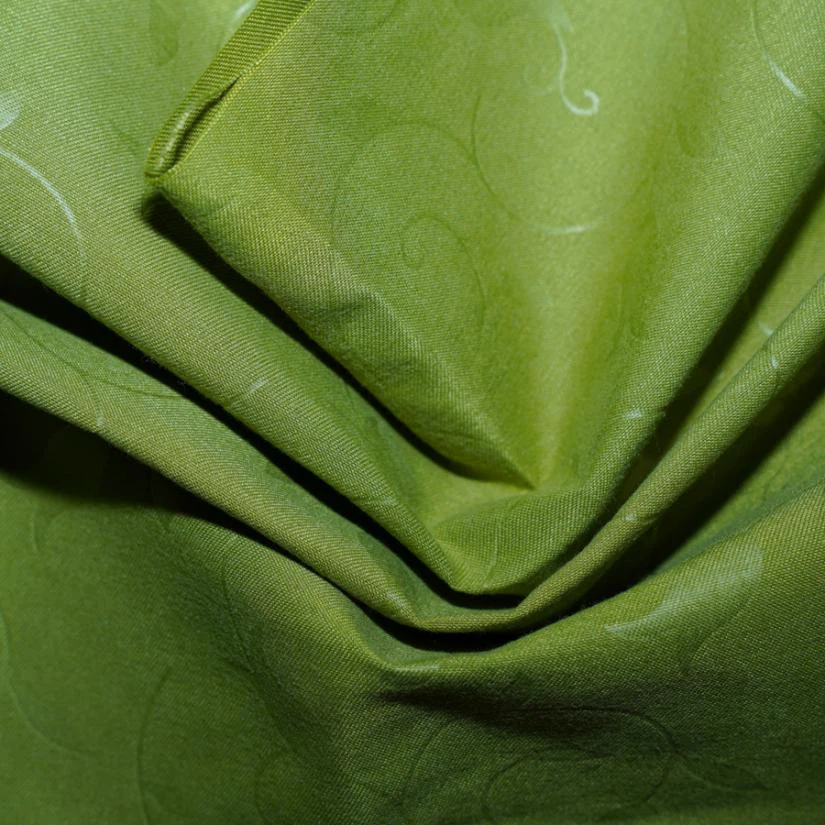
As a supplier of embossed white fabric, I've received numerous inquiries regarding its suitability for stuffed animals. This blog post aims to delve into the various aspects of using embossed white fabric for this purpose, exploring its characteristics, advantages, potential drawbacks, and the overall feasibility.
Characteristics of Embossed White Fabric
Embossed white fabric comes in a variety of materials, including polyester. Our Embossed Polyester Fabric for Bedding and Polyester Embossed Microfiber Fabric showcase the versatility of polyester in the embossing process. Polyester embossed fabric is known for its durability, wrinkle - resistance, and ease of maintenance. The embossing process adds a three - dimensional texture to the fabric, which can range from subtle patterns to more elaborate designs.
The white color of the fabric offers a clean and pure aesthetic, which can be appealing for stuffed animals. It provides a blank canvas for customization, whether through dyeing, printing, or adding decorative elements. Moreover, white is often associated with innocence and softness, qualities that are highly desirable in stuffed toys.

Advantages of Using Embossed White Fabric for Stuffed Animals
Aesthetic Appeal
The embossed texture adds a unique and visually interesting element to the stuffed animal. It can create a sense of depth and dimension, making the toy more engaging and attractive to both children and collectors. The white base color gives a classic and elegant look, and it can be easily paired with other colors and materials for additional decoration.
Durability
Polyester embossed fabric, such as our 100% Polyester Embossed Fabric, is highly durable. Stuffed animals are often subject to rough handling, hugging, and washing. The strong fibers of polyester can withstand these stresses without tearing or losing their shape easily. This means that the stuffed animals made from embossed white fabric can last for a long time, providing value for money.

Ease of Cleaning
Polyester fabric is relatively easy to clean. Most stains can be removed with a gentle detergent and water. It also dries quickly, reducing the risk of mold and mildew growth. This is particularly important for stuffed animals, as they can get dirty from play and need to be kept clean for hygiene reasons.
Customization
The white color of the fabric makes it an ideal choice for customization. It can be dyed to any color using fabric dyes, allowing for the creation of unique and personalized stuffed animals. Additionally, the embossed surface can hold prints and embroidery well, enabling the addition of detailed designs, logos, or characters.
Potential Drawbacks
Breathability
One potential drawback of using polyester embossed fabric for stuffed animals is its breathability. Polyester is a synthetic fiber, and compared to natural fibers like cotton, it may not allow air to circulate as freely. This could potentially make the stuffed animal feel warmer to the touch, especially in hot and humid conditions. However, this may not be a significant issue for most users, especially if the stuffed animals are used mainly indoors and in normal room temperatures.
Allergic Reactions
Although polyester is generally considered hypoallergenic, some individuals may still have allergic reactions to synthetic fibers. If the stuffed animals are intended for use by people with sensitive skin or allergies, it's important to consider this factor. However, many people tolerate polyester well, and the risk of allergic reactions is relatively low.
Feasibility and Considerations
When considering using embossed white fabric for stuffed animals, there are several factors to keep in mind.
Safety Standards
Stuffed animals, especially those intended for children, need to meet certain safety standards. The fabric should be free from harmful chemicals, such as lead and phthalates. As a supplier, we ensure that our embossed white fabric complies with all relevant safety regulations, so you can have peace of mind when using our products for stuffed animal production.
Cost
The cost of embossed white fabric can vary depending on the quality, material, and embossing complexity. However, compared to some other specialty fabrics, polyester embossed fabric is often a cost - effective option. It offers a good balance between quality and price, making it a viable choice for both small - scale and large - scale stuffed animal manufacturers.

Production Process
The production process of stuffed animals using embossed white fabric requires some specific techniques. The fabric needs to be cut accurately to minimize waste, and the seams should be sewn securely to ensure the durability of the toy. Additionally, if customization is involved, such as dyeing or printing, proper procedures need to be followed to achieve the desired results.
Conclusion
In conclusion, embossed white fabric can be an excellent choice for stuffed animals. Its aesthetic appeal, durability, ease of cleaning, and customization options make it a versatile material for creating unique and high - quality toys. While there are some potential drawbacks, such as breathability and the risk of allergic reactions, these can be managed with proper consideration.
If you're interested in using our embossed white fabric for your stuffed animal production, we'd love to hear from you. We can provide samples, discuss your specific requirements, and offer competitive pricing. Contact us today to start a fruitful business relationship.
References
- Textile Industry Handbook: A comprehensive guide to textile materials and their applications.
- Safety Standards for Children's Toys: Published by relevant regulatory authorities.
- Polyester Fabric Research Papers: Academic studies on the properties and uses of polyester fabric.