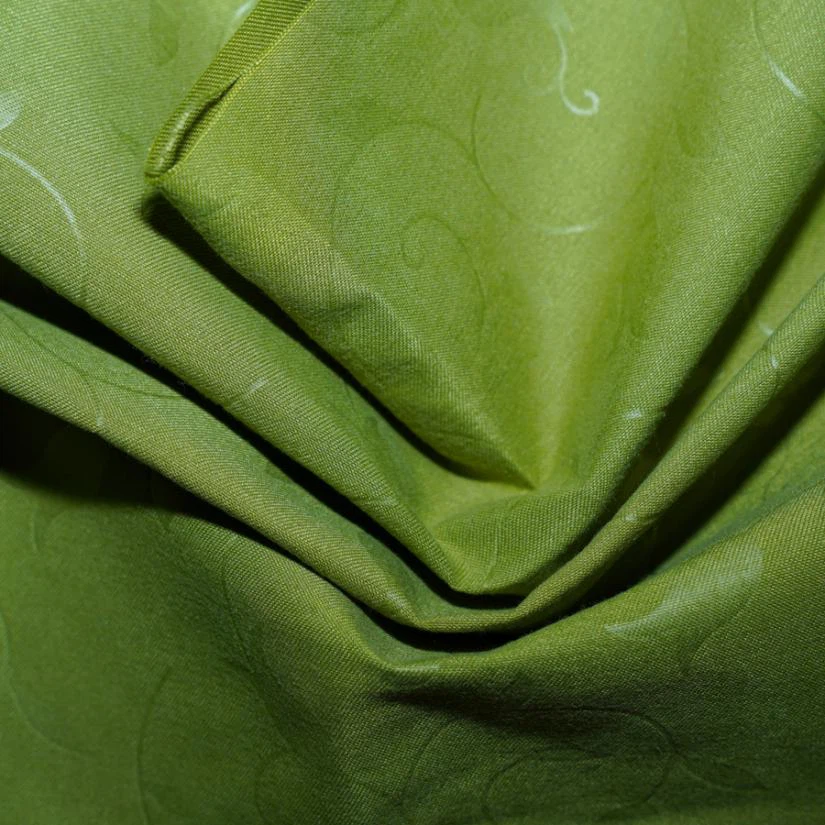
Hey there! As a dyed fabric supplier, I often get asked this question: "Can dyed fabric fade over time?" Well, the short answer is yes, but there's a lot more to it than that.
Let's start by understanding how fabric gets its color. When we dye fabric, we're essentially using chemicals to bond color molecules to the fibers. The quality of this bond, along with the type of dye and fabric, plays a huge role in how long the color will last.
Factors That Cause Fading
Sunlight
Sunlight is one of the biggest culprits when it comes to fabric fading. Ultraviolet (UV) rays in sunlight can break down the chemical bonds in the dye, causing the color to fade. This is especially true for fabrics that are constantly exposed to direct sunlight, like outdoor cushions or curtains in a sunny room. For example, if you have a beautiful red curtain made from dyed fabric hanging in a south - facing window, over time, you'll notice that the color starts to lose its vibrancy. The red might turn a bit pinkish, and the overall fabric will look less bright.
Washing
How you wash your dyed fabric also matters a great deal. Harsh detergents, high - temperature washes, and frequent washing can all contribute to fading. Detergents with strong chemicals can break down the dye molecules, and hot water can make the fibers expand, allowing the dye to leach out more easily. If you're using a cheap, generic detergent and washing your dyed clothes on a high - heat setting every week, you're likely to see fading much faster. For instance, a pair of dyed jeans that are washed in hot water with a strong detergent might start to look dull and faded after just a few washes.
Rubbing and Abrasion
Physical contact can also cause fading. When fabric rubs against other surfaces, like furniture or your skin, the dye can gradually wear off. This is common in areas where there's a lot of friction, such as the knees of jeans or the elbows of a dyed shirt. Over time, these areas will look lighter than the rest of the fabric.
Types of Dyed Fabrics and Their Fading Tendencies
100% Polyester Dyed Fabric
100% Polyester Dyed Fabric is known for its durability and resistance to fading. Polyester fibers are synthetic, and they have a tight molecular structure that makes it harder for the dye to escape. However, it's not completely immune to fading. If exposed to long - term sunlight or harsh washing conditions, it can still lose some of its color. But compared to natural fibers like cotton, it generally holds up better. For example, a polyester tablecloth that's used outdoors might take a lot longer to fade than a cotton one under the same conditions.
Dyed Polyester Fabric for Bedding
Dyed Polyester Fabric for Bedding is designed to be both comfortable and long - lasting. Since bedding is usually washed frequently, it needs to be able to withstand multiple wash cycles without fading too much. High - quality dyed polyester bedding is treated with special dyes and finishes to enhance colorfastness. But again, if you're not careful with how you wash it, you might still notice some fading over time. For instance, using a bleach - based detergent on your polyester sheets can cause the color to fade quickly.
Polyester Dyed Microfiber Fabric
Polyester Dyed Microfiber Fabric is very fine and soft. It has a large surface area, which means it can hold a lot of dye. This fabric is often used in upholstery and clothing. It's relatively resistant to fading, but like other polyester fabrics, it can still be affected by sunlight and washing. Microfiber upholstery in a living room that gets a lot of sun might start to show signs of fading after a few years.


How to Minimize Fading
Sun Protection
If you have dyed fabric that's exposed to sunlight, you can use window treatments like blinds or curtains to block out the UV rays. You can also move furniture or fabrics away from direct sunlight during the peak hours of the day. For outdoor fabrics, consider using a UV - resistant spray to protect them.
Washing Tips
Use a mild, color - safe detergent and wash your dyed fabric in cold water. Avoid using bleach or fabric softeners that contain harsh chemicals. Also, turn your clothes inside out before washing to reduce friction and protect the outer layer of the fabric. When drying, air - dry your clothes whenever possible, as high - heat drying can also contribute to fading.
Handling
Be gentle with your dyed fabric. Avoid dragging it across rough surfaces, and try to minimize friction in areas where fading is likely to occur. For example, you can wear a protective layer over your elbows if you're sitting at a desk for long periods.
Our Products and Fading Resistance
At our company, we take great pride in providing high - quality dyed fabrics that are designed to resist fading. We use advanced dyeing techniques and high - quality dyes to ensure that our fabrics maintain their color for as long as possible. Whether you're looking for 100% Polyester Dyed Fabric for your outdoor projects, Dyed Polyester Fabric for Bedding to add a pop of color to your bedroom, or Polyester Dyed Microfiber Fabric for your upholstery needs, we've got you covered.
We understand that our customers want fabrics that look great and last. That's why we conduct rigorous quality control tests to make sure that our dyed fabrics meet the highest standards of colorfastness. But even with our high - quality products, it's important to follow the proper care instructions to get the most out of your fabric.
Contact Us for Your Dyed Fabric Needs
If you're in the market for dyed fabric, whether it's for personal use or for your business, we'd love to hear from you. We offer a wide range of colors, patterns, and fabric types to suit your specific requirements. Our team of experts is always ready to answer your questions and help you find the perfect dyed fabric for your project. So, don't hesitate to reach out and start a conversation with us. We're here to make sure you get the best dyed fabric that will keep its color and beauty for years to come.
References
- "Textile Science: An Introduction" by James A. Robinson
- "The Chemistry of Dyes and Pigments" by Geoffrey M. Hallas
- "Textile Dyeing and Finishing Technology" by B. C. Gupta