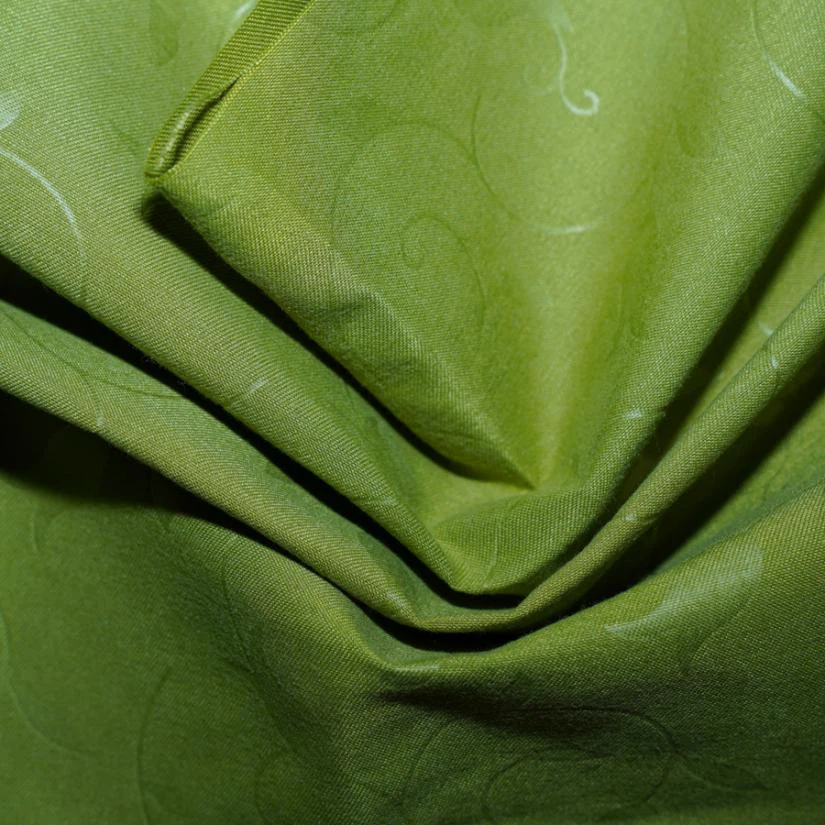
In the world of interior design, curtains play a pivotal role in transforming a space. They can add a touch of elegance, provide privacy, and control the amount of light entering a room. With the advancement of technology, digital printed fabric has emerged as a popular choice for various applications, including curtains. As a digital printed fabric supplier, I often get asked whether digital printed fabric can be used for curtains. In this blog post, I'll delve into the details to answer this question comprehensively.
Advantages of Using Digital Printed Fabric for Curtains
1. Limitless Design Possibilities
One of the most significant advantages of digital printed fabric is the vast array of design options it offers. Unlike traditional printing methods, digital printing allows for the reproduction of highly detailed and complex designs. Whether you're looking for a bold geometric pattern, a delicate floral print, or a custom - designed image, digital printing can bring your vision to life. For instance, you could have a curtain with a high - resolution photograph of a scenic landscape, creating a focal point in the room. This level of customization is ideal for both residential and commercial spaces where unique aesthetics are desired. You can explore a wide range of designs on our Polyester Digital Printed Fabric page.
2. Color Accuracy and Vibrancy
Digital printing technology ensures exceptional color accuracy and vibrancy. The colors on the fabric are vivid and long - lasting, which is crucial for curtains as they are often exposed to sunlight. The advanced inkjet printing process allows for precise color matching, so you can achieve the exact shade you have in mind. Whether it's a soft pastel color for a nursery or a bright, bold color for a contemporary living room, digital printed curtains can maintain their color integrity over time.
3. Cost - Effective for Small Runs
If you're looking to create a limited number of curtains, digital printing is a cost - effective option. Traditional printing methods often require high setup costs, especially for small production runs. In contrast, digital printing eliminates the need for expensive printing plates, making it more affordable for custom or small - scale projects. This is beneficial for interior designers who want to create unique curtain designs for individual clients or for homeowners who want to add a personal touch to their living spaces.
4. Quick Turnaround Time
In today's fast - paced world, quick turnaround times are highly valued. Digital printed fabric can be produced relatively quickly compared to traditional printing methods. Once the design is finalized, the printing process can start immediately, and the finished curtains can be ready in a short period. This is particularly useful for projects with tight deadlines, such as hotel renovations or event decorations.
Considerations When Using Digital Printed Fabric for Curtains
1. Fabric Selection
Not all fabrics are suitable for digital printing and curtain use. The choice of fabric depends on several factors, including the desired look, feel, and functionality of the curtains. For example, polyester fabrics are popular for digital printing because they are durable, easy to clean, and have good color retention. Our Digital Printed Polyester Bedsheet Fabric can also be used for curtains, offering a smooth and luxurious finish. However, if you prefer a more natural look and feel, cotton or linen fabrics can also be used, but they may require special pre - treatment to ensure optimal print quality.
2. Lightfastness
Since curtains are exposed to sunlight, lightfastness is an important consideration. Lightfastness refers to the ability of the fabric and the printed colors to resist fading when exposed to light. High - quality digital printed fabrics are treated with special inks and coatings to improve lightfastness. However, it's still important to choose a fabric with a high lightfastness rating, especially for curtains in rooms that receive a lot of direct sunlight.
3. Care and Maintenance
Proper care and maintenance are essential to ensure the longevity of digital printed curtains. Different fabrics require different care instructions. For example, polyester curtains can usually be machine - washed on a gentle cycle, while cotton or linen curtains may need to be dry - cleaned to preserve the print quality. It's important to follow the manufacturer's care instructions to avoid damage to the fabric and the printed design.
Applications of Digital Printed Curtains
1. Residential Use
In residential settings, digital printed curtains can add a personal touch to any room. They can be used in bedrooms to create a cozy and inviting atmosphere, in living rooms to enhance the overall decor, or in kitchens to add a pop of color. For example, a digital printed curtain with a beach - themed design can bring a sense of relaxation to a coastal - style home. You can choose from a variety of designs on our 100% Polyester Digital Printed Fabric page to suit your home's interior design.


2. Commercial Use
In commercial spaces, digital printed curtains are widely used in hotels, restaurants, offices, and retail stores. They can be used to create a brand - specific look, enhance the customer experience, or divide spaces. For instance, a hotel lobby can use digital printed curtains with the hotel's logo or a unique pattern to create a memorable first impression.
Conclusion
In conclusion, digital printed fabric can indeed be used for curtains, offering numerous advantages such as limitless design possibilities, color accuracy, cost - effectiveness for small runs, and quick turnaround times. However, it's important to consider factors such as fabric selection, lightfastness, and care and maintenance. With the right choice of fabric and proper care, digital printed curtains can be a beautiful and functional addition to any space.
If you're interested in using digital printed fabric for your curtain projects, I encourage you to explore our range of products. We offer high - quality digital printed fabrics with a wide variety of designs and colors. Contact us to discuss your specific requirements and start a procurement discussion. We look forward to working with you to bring your curtain design ideas to life.
References
- "Textile Printing Technology" by John Smith.
- "Interior Design: A Comprehensive Guide" by Emily Brown.
- Industry reports on digital printing in the textile industry.